
Brendan O’Keefe – Bar Harbor Running Coach
I went from chronically injured to the Olympic Trials. My goal is to help athletes overcome injury to reach their full potential.
From: $165.00 / month
Running Coach Description
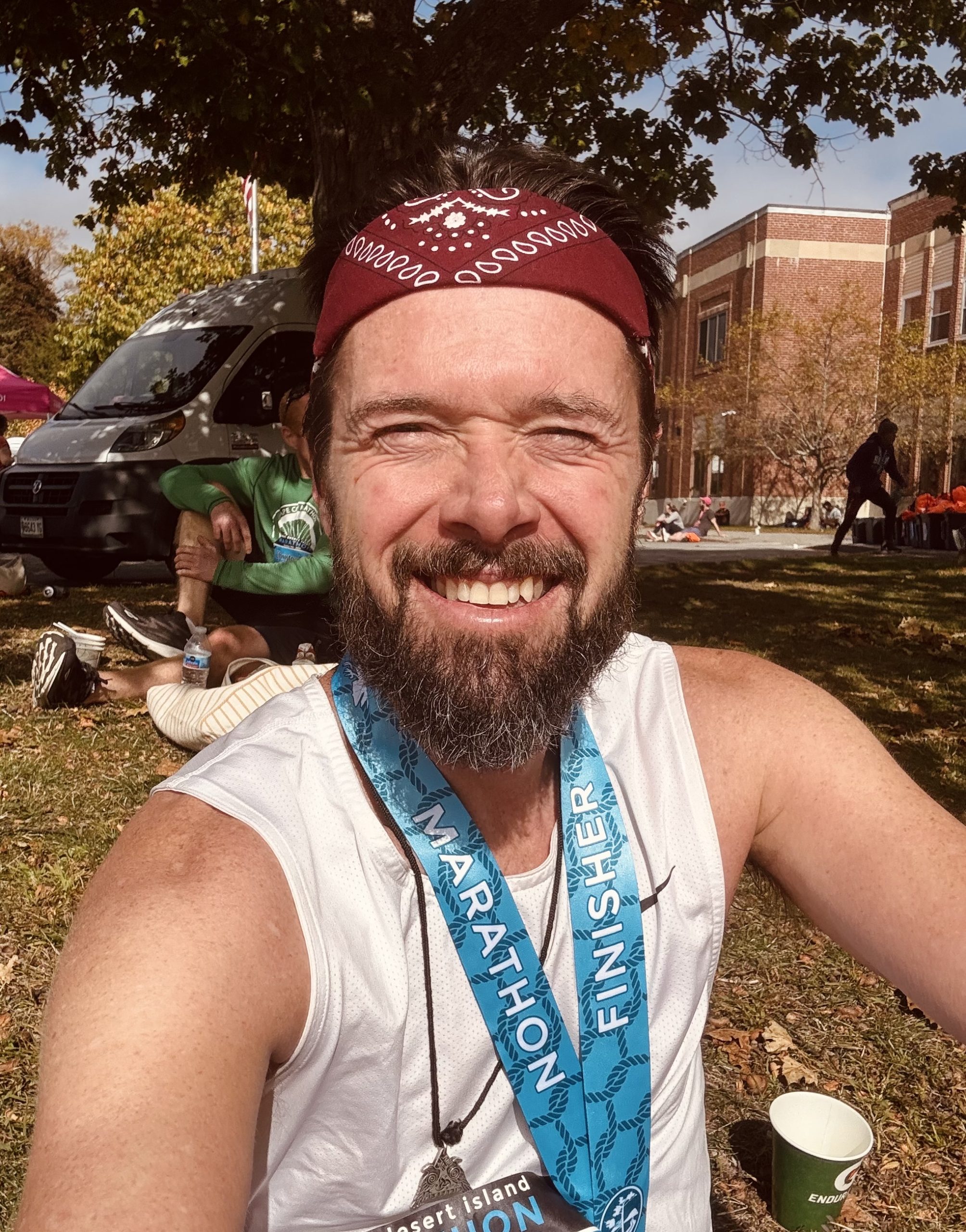
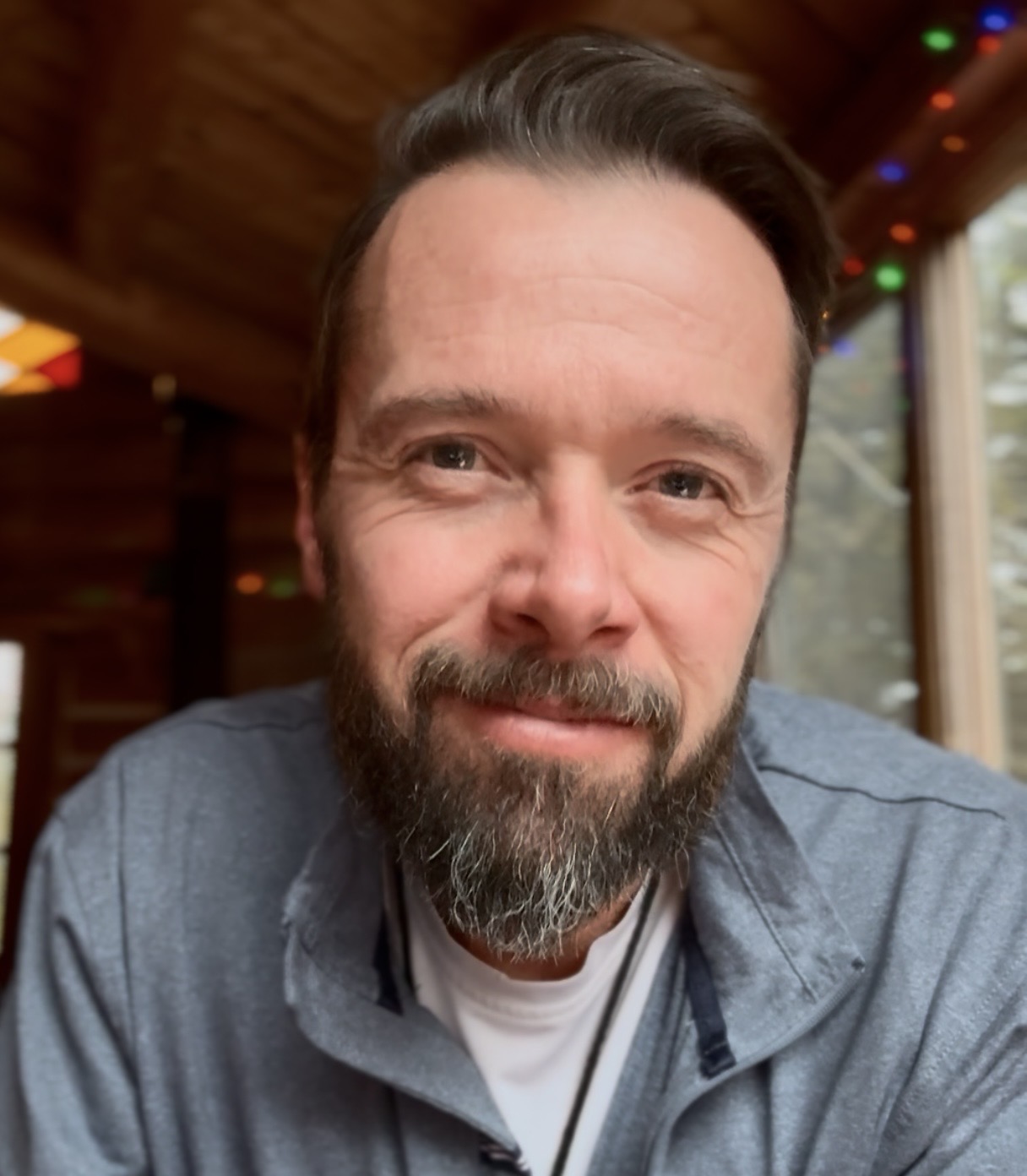
I live in a hexagon cabin with my kids in the woods of Maine. I train as a trail runner in the mountains of Acadia. I was an athlete with potential who struggled for years with chronic injury. In 2007 I learned a series of lessons that helped me overcome injury and qualify for the 2008 Olympic trials. 18 years later I had to overcome a new series of challenges to come back in middle age as a competitive trail racer. I’ve now put these lessons together into what I’m calling my 10 keys to Consistency. This program is designed to help runners break the injury cycle, run consistently and reach for their greatest goals. I’ve integrated x-training, strength work, strides, slow first miles, controlled workouts, down weeks and proper fueling into a program that helps athletes slowly build towards their best. As runners we often want to charge at our goal, but the path to our best is patience, so most of these principles are about holding back. The final one, belief, is about letting go. I believe you need to take a moment each week to see beyond the struggle and imagine the perfect build to the perfect race. Keeping the mountain peak in view is key to reaching your full potential. I will do all that I can to help you get there.
Specialties
As a coach I specialize in helping injury prone, middle age and older athletes find consistency. For these types of athletes it is often essential to integrate x-training and strength work into the training plan. I ran the 1500m in the Olympic Trials running only 5 days a week and biking 2. At first I wished that I could have run 7 days a week. Over time I’ve realized that those 2 biking days helped me in a wide variety of ways. By getting off my feet every 3-4 days, minor injuries healed before they became real issues and I was able to run more consistently. By replacing 2 easy days a week with biking, I was able to achieve the same heart rate for a longer period of time, while avoiding impact. This benefit is now recognized and implemented by many of the world’s best athletes such as Cole Hocker, Keely Hodgkinson, Georgia Hunter Bell and Parker Valby. In addition to x-training, strength work is a key component to staying injury free. If you are coming back as an older runner, it is likely that your leg muscles have atrophied at a quicker rate than your heart and lungs. Think of it as a car with a solid engine, but a body that needs a tune up. It is important to identify where your muscles are weak and your tendons are stiff. Add the corresponding strength and mobility work into your routine and you will be far better prepared for the shock of running. I help struggling athletes Integrate both strength work and x-training into their training plan, which allows them to shift from the Injury Cycle to the Consistency Cycle. From there, anything is possible.
Philosophy
I believe that consistency is the key to reaching your full potential. It is the base atop which all other training elements are layered. If you can shift your mindset to consistency first, you can break the injury cycle. I learned so many lessons the hard way. From my experience I have put together 10 keys to consistency that helped me go from chronically injured to the Olympic Trials. They helped me come back 18 years later as a trail runner.
My 10 Keys to Consistency are as follows:
- STACK BRICKS: Make a minimum weekly mileage your brick. Stack as many as possible. Obsess over Consistency before Distance or Intensity.
- WAVE TRAIN: Build crests and troughs within your week and across your training plan. Build recovery days around your stimulus days.
- X-TRAIN: Replace your easy runs with x-training every few days to keep minor injuries at bay as muscles and tendons grow stronger.
- BUILD STRENGTH: Stimulate muscles and tendons to prepare for the shock of running. Raise your weakest link towards your greatest strength.
- BUILD SPEED: Stride often within runs. Consistently and lightly activate the high end of your system in base phase to prepare for workouts.
- FUEL: Carbs during long runs and workouts help maintain stride mechanics. Protein after helps recovery.
- BE PATIENT: Start runs slow, let your body speed up naturally. Pick a slow mile time and never run faster for your first mile
- RESTRAIN: End a workout feeling you have more to give. Stacking workouts is more important than any single one.
- REFLECT: When injury strikes, see past the frustration to what you may have done wrong. You will almost always find something to correct.
- BELIEVE: Reach beyond what you logically think you can do. Take time to look past the struggles and imagine your best self. Keep the fire alive.
Coaching Experience
I have lived and trained at Olympic training centers and experienced the highest levels of coaching first hand. My career as a formal coach is just beginning, though I have advised and coached those I train with for many years. I’ve worked with high school XC runners to masters marathoners. Having overcome chronic injury to race at the highest level, I am most often advising runners on how to break the injury cycle, run consistently and reach for their greatest goals.
About Me
I live in a hexagon log cabin that we built in the woods of Maine. I have three daughters and our home is less than 2 miles from Acadia National Park. I spend much of my time running in these mountains and hiking with my daughters. I design landscapes, build mythical tiny homes and I’m working on a series of fantasy novels. Fantasy has always been a part of my life and I believe that seeing running as a quest or hero’s journey can help in overcoming the many obstacles that may come our way. I grew up landscaping with my mom, lobster fishing with my dad and running with my brother through the woods and mountains. I ran track and XC in high school and college, then went on to run professionally for 4 years. From 2004-2008 I lived and trained at an Olympic training center, culminating in my 1500m race at the 2008 Olympic Trials. After 18 years off from serious running, I am back at it. I am 44 years old now and racing trails. I still see running as a great adventure.
Big Influences
As a trail runner now, I follow much of the experimentation and training tips that come from David and Megan Roche. Because of them, I now add more carb fueling to long runs and consistent uphill strides throughout the week. I have followed Jack Daniels training methods for many years. I value his targeted approach and emphasis on recovery. I admire Arthur Lydiard’s experimentation and emphasis on hills and effort based training. I’m intrigued by Renato Canova’s marathon pace work. Then there are those who influenced me directly. I’ll alway remember how my college coach at Brown helped us win the first Heptagonal championship in school history. He took away the final interval of each workout. So he’d say 5×1 mile, then have us finish on the 4th. This kept us bull headed college kids from racing the final interval. It allowed us to stay healthy and stack workouts. This resulted in all of us peaking at the right moment. Finally I am deeply influenced by my coach Pete Rea at Zap Endurance, the Olympic training center I lived at for 4 years. He started my X-training regime. He replaced two easy running days with biking. This helped me get over my chronic tibial stress fractures, which allowed me to have my most consistent year of training, resulting in my qualification for the 2008 Olympic Trials. At Zap I was also influenced by the Kenyan runners that came to train with us. They listened closely to their bodies and would often back out of workouts if they just weren’t feeling it on the day. They also would begin runs with 11 min miles. These are guys that would run 4:50 later in the run. That always stuck with me. After getting a slew of injuries in the first mile, I now always run very slow to start. Not quite 11 min :), but their example is always on my mind.
Race History
I remember a few pivotal races in my career and they weren’t all my fastest races. One was my final track race in high school, the Maine State Championships. After winning the 800 and Mile, I was up against a my most difficult rival in the 2 mile. Throughout the race he kept dropping me, one time by over 100 meters. Each time I found something extra and clawed my way back. I was a ways back around the final bend, but I dug down, surged the final straight and nipped him at the line. That rival became my good friend and teammate in college. We still debate who really won the race. 🙂 That race taught me how far we can push ourselves mentally, as I could have run 20 seconds slower and still felt like I’d given almost everything.
The 2nd race was the Heptagonal Championships at Brown University. This time I was coming back from a very recent injury. In a prior time trial I’d finished 13th on the team, but my coach had faith in me and put me in the top 7 for the championship. Brown had a track team starting in 1880, yet we had never won these championships. The gun went off and i went for it. I was in 5th for our team, our final scoring position. I could tell the 4 guys ahead of me were having the race of their lives. I fought with everything I had to stay as close as I could to them. I crossed the line to celebration. We had won. The calls and message from alumni going back 40 years is something I’ll never forget.
The 3rd race was my fastest. It was a high profile Oregon twilight meet at Hayward Field. Barack Obama was campaigning in the state and decided to come watch the meet. I met him 30min before the race. He was in the stands watching as we got ready to start. The race was full of guys who had been heroes of mine in high school and college. I was so nervous in the lead up, but then on the starting line I had a strange moment of calm. I decided the names didn’t matter, I would try to win the race. Sure enough I ran like someone who belonged. I kicked from 8th to 2nd in the final 300m. I wasn’t able to catch that one last guy who went on to win the Olympic Trials. Still the guys behind me were names I’d known forever, including one who would win Olympic Gold in the years to come. It was a truly magical night beneath the lights.
The final race is a recent one. I had stopped running seriously after the 2008 Olympic trials. In the following 17 years, I struggled to find the passion to make it back through the struggle, until I saw a race called UTMB. The idea of trail racing brought me back to my early days running through the woods and over mountains with my brother. The fire was lit, but it took me a year of middle age struggle and learning to make it back at 43 years old. Finally 0n March 29th, 2026, The Sleeping Giant 25k arrived. The gun went off and 4 of us broke away from the field. We battled each other over 3500ft of technical climbs and descents. We tested each other against the mountain. By mile 12 I had such deep respect for the other 3 guys, then the surges began. I lost ground on the flats and gained on the climbs. The final climb came at mile 14 and I surged to a 100m lead up and over the hill, then preceded to take a wrong turn :). I got back on course but wasn’t able to catch up. I crossed the line to hugs and back slaps as the other three guys dragged me up on to the podium with them. I came away from that race with amazing bonds and the deepest love for the sport of trail racing.
Awards & Accolades
- 9-Time Maine State Champion – Track and XC
- 5th – 1 Mile4:19.22 – New Balance National Scholastic Indoor Track and Field Championships
- Academic All American – Brown University
- 17th – 2007 Club XC National Championships – 10k
- 9th – 2007 USA Indoor Track and Field Championships – 3000m
- 2008 Olympic Trials – 1500m
Personal Records
- 1500m: 3:40.9
- 1 Mile: 4:02.4 (indoor)
- 3000m: 8:01.27 (indoor)
- 5000m: 14:03.03
Contact Brendan


Reviews
There are no reviews yet.