
A deep dive into perimenopause and running with Team RunRun coach Kristina Folcik. Kristina shares her story as a woman, an athlete, and a coach in hopes that we can all learn and grow, and to better navigate this unique time in a woman’s life.
The first athlete that I worked with who was in perimenopause taught me a lot. She was tough but had struggles with joint pain, lack of recovery, loss of motivation, hot flashes, the inability to run without having to walk, memory issues and felt like she was in a different body. Being obsessed with human science and wanting to help her I began researching perimenopause.
I could not understand how hormonal changes could affect an athlete this much. I knew that declining estrogen played a big role in the ending your reproductive years but didn’t realize that progesterone and testosterone were also big players in causing women to no longer feel like themselves. I often talk to my athletes about the importance of having balance in their fitness/career/stress/sleep/nutrition/social and family life. Without balance we start to break. This is true with everything in life, including hormonal balance.
Women have been taught to feel ashamed about entering their non-fertile years. The misconception is that once you enter menopause you are now old and ready to be sent out to the pastures. My first career in dental hygiene gave me the gift of having honest conversations about health with my patients. I feel that the more I learn from my athletes the better I can help them be their best selves. Some of my athletes entering perimenopause were told by their doctors that they just have to deal with their new normal. They believe that the weight gain, crepey skin, thickening mid section and thighs, depression, anxiety, lack of motivation and desire to just disappear and start a new life are all something they have to deal with. Their families think they have gone mad, roll their eyes or don’t know how to be supportive. These women feel unheard and ashamed.
It doesn’t have to be this way! I was so excited when I learned about Dr Stacy Sims and Dr. Mary Claire Haver. They listened to their patients, buried their heads in research, debunked botched studies and empowered athletic women who suddenly found themselves struggling to simply move like they used to. Between adjusting your macros, focusing on lifting heavy and utilizing HRT (hormone replacement therapy) you can reclaim what you have lost, yourself! I incorporated what I learned into training my athletes experiencing peri-menopause.
Hormone Replacement Therapy
HRT has had a bad reputation for years. There was a botched study that made doctors and patients afraid of taking estrogen. I watched my mom, friends’ moms and other women suffer through perimenopause for years. I watched extremely athletic women just disappear from their sport. Marriages ended and self esteem plummeted. It breaks my heart that this generation got the short end of the stick during a period of their lives where they needed the most nurturing.
As I entered my mid 40’s I began to wonder when it was going to happen to me. I started to see athletic friends speaking up on social media about the struggles they were experiencing. I feared reaching this stage in my life. I had no idea how to help my athletes and started with adjusting macros based on Dr Stacy Sims book “Next Level”. I incorporated heavy lifting into my athletes schedules to delay the rapid muscle loss that was happening. I felt like there were so many moving parts and saw that there is no one size fits all way to alleviate symptoms.
Out of curiosity and approaching the age where I would be entering this phase of life I began having meaningful conversations with my gynecologist. When I moved to Colorado I was given an appointment with a doctor who was very knowledgeable in modern treatment of perimenopause. We did baseline bloodwork (most of which will not indicate the hormonal change until after menopause) and I was given a symptom check list to use. She found that treating on symptoms verses bloodwork was more accurate. Hormones are constantly changing throughout a woman’s cycle. Each month there are fluctuations in hormones, even during perimenopause. Your ovaries are slowing down but they are still working, this makes testing for perimenopause next to impossible. Once your ovaries stop producing hormones and your periods have been gone for 12 months you have entered menopause. This is where testing can be more accurate.
Perimenopause can last for years! My doctor discussed the progression of HRT and the risks/benefits. I don’t have a family history of breast cancer and did my own research on the use of HRT. I had discussions with my athletes and friends who are taking it and learned a lot from their experiences. Hormone therapy can be safe if monitored closely by a doctor.
Signs and Symptoms
Last fall I had to have an emergency appendectomy and since the surgery I had not felt like myself physically or emotionally. I believed the surgery did something to me and could not figure out what happened. My sleep started to suffer and progressively became worse. My body hurt in ways I never imagined. I felt like a slug during every workout and motivation was non-existent. I had to force myself to get out of bed, work, exercise and had to take naps. I would walk into the kitchen and for a moment, forget that the oven is called an oven. I became very anxious and would imagine leaving my perfectly good life and running away with my dog to disappear and be alone. These thoughts are not normal for me and they were strong. I still had no idea what was wrong with me. Life became a struggle and I started to get acne all over my chin, something I have never dealt with. Around that time I would get what felt like cold flashes where I would randomly shiver, mostly at night, but also during the day. Even with lifting heavy I was losing muscle mass, my skin was becoming dry/weird and my body was looking “softer”. My joints ached and my muscles never felt like they were recovering. Something was clearly wrong.
I get monthly facials (my self splurge) and the woman doing my facials began noticing changes in my skin and the increase in acne. She asked me questions about my mood, how I felt, my sleep, etc. She told me that she had experienced early perimenopause in her 30’s and that I should talk to my doctor. This was the first time I thought it might be what was happening to me. I didn’t have the traditional hot flashes, rage and loss of libido so many people talk about. My symptoms were different than many of the people I knew. I felt like I was living with a body and mind that did not belong to me.
I made an appointment with my doctor and we did bloodwork for the sake of doing bloodwork but she started me on a very low dose estrogen patch. I currently have a progesterone IUD that is due to be replaced next year, we did not talk about adding that to the mix. My FSH was vastly different from last summer, indicating peri-menopause and my Vitamin D was extremely low (another indicator). Even with eating very clean my cholesterol was a bit higher than it had been and testosterone dropping. My first reaction was embarrassment and sadness for reaching this phase of life but at the same time my doctor also made me feel that I could have my life back.
Within 48 hours of wearing the Estrogen patch I felt like myself again. My body didn’t hurt, I was sleeping like a champ, my motivation was back, I felt calm, the cold flashes stopped, and I no longer wanted to run away to start a new life. I cried thinking of the 6 months that I suffered because no woman should have to feel that way for years. I have known women who suffered for 10 years with perimenopause symptoms and it just makes my heart break. HRT felt like magic and I still cannot wrap my head around how much our bodies react to hormones.
Perimenopause and Training
As an athlete, slowing down or stopping is not fun. I never fully understood why a lot of women just “give up hope” when these changes happen. I understand now because it feels like you are being tortured both physically and emotionally when this phase hits. Some women are very fortunate to not experience these struggles, I was not one of them. Experiencing so many symptoms is going to help me be a better coach and friend. Until I felt what other athletic women can go through during perimenopause, it was impossible to fully understand their pain. When your sport is your play time and it becomes a battle, there is a part of you that just dies inside. As usual I will be burying my head in research to help myself and to help others in this phase of life. I just love human science!
Modifications to your diet and fitness routine are important, even if you are on HRT. You need to eat more protein, have bloodwork to check for deficiencies, hit the gym to lift heavy, and strategically place your speed workouts in between your easy recovery workouts. Sleep is more important during this phase in life to allow for adequate muscle rebuilding and recovery. Honoring your body’s needs and knowing when to push and when to recover are your keys to success in training. I use the Find Your Steady State app to track my symptoms, plan my training and analyze my subjective and objective data to see when my best weeks to train are during my cycle and when to lay low.
When planning your training make sure to limit your hard cardio sessions to no more than 2 a week. They should be short but punchy if you don’t have any injuries. Ease into lifting heavy and prioritize form over weight, but, work up to 3 challenging strength workouts a week. Give yourself 1-2 days to rest each week (yoga, mobility and easy walks are okay) and keep the days around your speed work super easy, that boring conversational effort so many of us struggle with. A reset week every 4-7 weeks will give your body a chance to catch up.
Looking forward
I feel fortunate to live in a time where people talk about perimenopause. It helps to have other women to talk to openly about their experience and to explore ways to continue to feel in control of your mind and body. Doctors are now empowering women and starting to help them to feel better. I feel that my generation was the beginning of the influx of athletic women in society and we don’t want to lose what we worked so hard for. We want to continue to be strong, to play and to feel good.
If you are starting to feel like your body and mind are changing, reach out to experts in perimenopause. There are many incredible doctors who can discuss options for you and come up with a plan. For me, HRT gave me back my life. Feeling good during my workouts, feeling happy and calm during the day, sleeping at night and being more enjoyable to be around saved me. Most of all, I don’t want to run away from a beautiful life, or that I have to be alone (this is very common with hormonal changes). I am excited to stay right here.
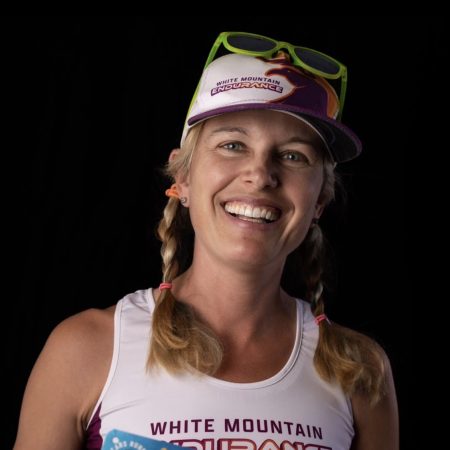
Kristina Folcik is a coach with Team RunRun. To learn more about her or to work with her, check out her coach profile.