Race: Crazy Mountain 100
Runner: Coach Ricky Urias
Race Date: 07/24/2026
Location: Willsall MT to Lennep MT
Results: 29:42:43
3 Bests – What aspects of the race did you like the most?
What stood out to me just as much as the course itself was the community surrounding this race. It felt like a gathering of old friends reconnecting while welcoming complete strangers as if they had been part of the family all along. Meghan and her team put together an incredibly well organized event, and that care was evident from the moment we arrived until we crossed the finish line. Every volunteer, every aid station, and every interaction reflected the passion they have for creating something truly special.
One of the unique parts of this race was how everyone embraced the experience beyond just the miles. Runners and crews took advantage of the rivers and alpine lakes along the way to cool off, reset, and enjoy the incredible environment around them. Those small moments of slowing down and appreciating the place we were lucky enough to be in perfectly captured the spirit of this event.
By the end of the weekend, I did not just feel like I had finished a race. I felt like I had become part of a community that extends far beyond the trails.
Not so much – Aspects of the race that didn’t do it for you
One section of the course that will stay with me forever was the descent from Sunlight. It was completely exposed along the side of a cliff and demanded your full attention. We carefully traversed a narrow shale slope with a significant drop just a few feet away. As if that was not enough, we then had to cross a short stretch of loose gravel and sand that felt incredibly unstable underfoot. It was one of those moments where I stopped and thought, “What did I sign up for?” It was equal parts intimidating and exhilarating, and it perfectly captured the wild, rugged character of the Crazy Mountains. It was a powerful reminder that out there, the mountains always demand your respect, and every step requires your full focus.
Highlights of your race – What did you do well and enjoy about your race in particular?
There were so many highlights throughout the weekend that it is hard to pick just one. Simply getting the opportunity to experience this course in all of its beauty was something I will never forget. I also had the chance to share many miles with Ultraspire pro athlete Nick Allen. During the toughest parts of the race, having someone to talk with, encourage one another, and keep moving forward made all the difference. His friendship and support played a meaningful role in helping me reach the finish line. Crossing that finish line and seeing my wife waiting there after such an unforgettable journey made the accomplishment even more special. To top it all off, I got a tattoo shortly after finishing as a permanent reminder of the challenge, the people, and the memories that made this race an experience I will carry with me for the rest of my life.

Lessons for others – Share your pro-tips on the race to help the next runner
Come into this race as prepared as you possibly can. Train on rough, rugged terrain whenever you have the opportunity because the more your training resembles the course, the more confident you will be on race day. It is also worth doing a few long runs with intentionally wet feet so you can identify potential hot spots or blister issues before race day and learn how to manage them. Trekking poles are another essential piece of equipment. They will save your legs on the long climbs and provide stability on the technical descents, but only if you know how to use them efficiently. Spend plenty of time training with your poles so they become second nature. The more problems you solve during training, the fewer surprises you will have when it matters most.
Lessons you learned that will help you next time around
This race taught me the value of patience in a way few others have. It was the first time I had taken on a 100 mile race without the support of a crew or pacers, which meant every decision and every challenge was mine alone to navigate. I knew the course would push me physically, but I underestimated how much it would test me mentally. There were long stretches where it was just me, the trail, and my thoughts. Those quiet miles forced me to slow down, stay present, and trust the process instead of worrying about the miles ahead. By the finish, I realized the greatest lesson was not about running faster or becoming stronger. It was learning to embrace the journey one step at a time and having the patience to believe that if I kept moving forward, I would eventually reach the finish line.
Most important course specific knowledge to know about the race
Be prepared for relentless terrain with long, steep climbs that demand patience and smart pacing. Expect hot temperatures, prolonged exposure, and feet that may stay wet for much of the day from creek crossings or muddy sections. If you’re relying on a crew, plan ahead aid stations can take significant time to reach, and many are accessed by rough, slow roads. Make sure your crew has plenty of time, a reliable vehicle, and a clear understanding of the course logistics.
Aesthetics – Is it a pretty course?
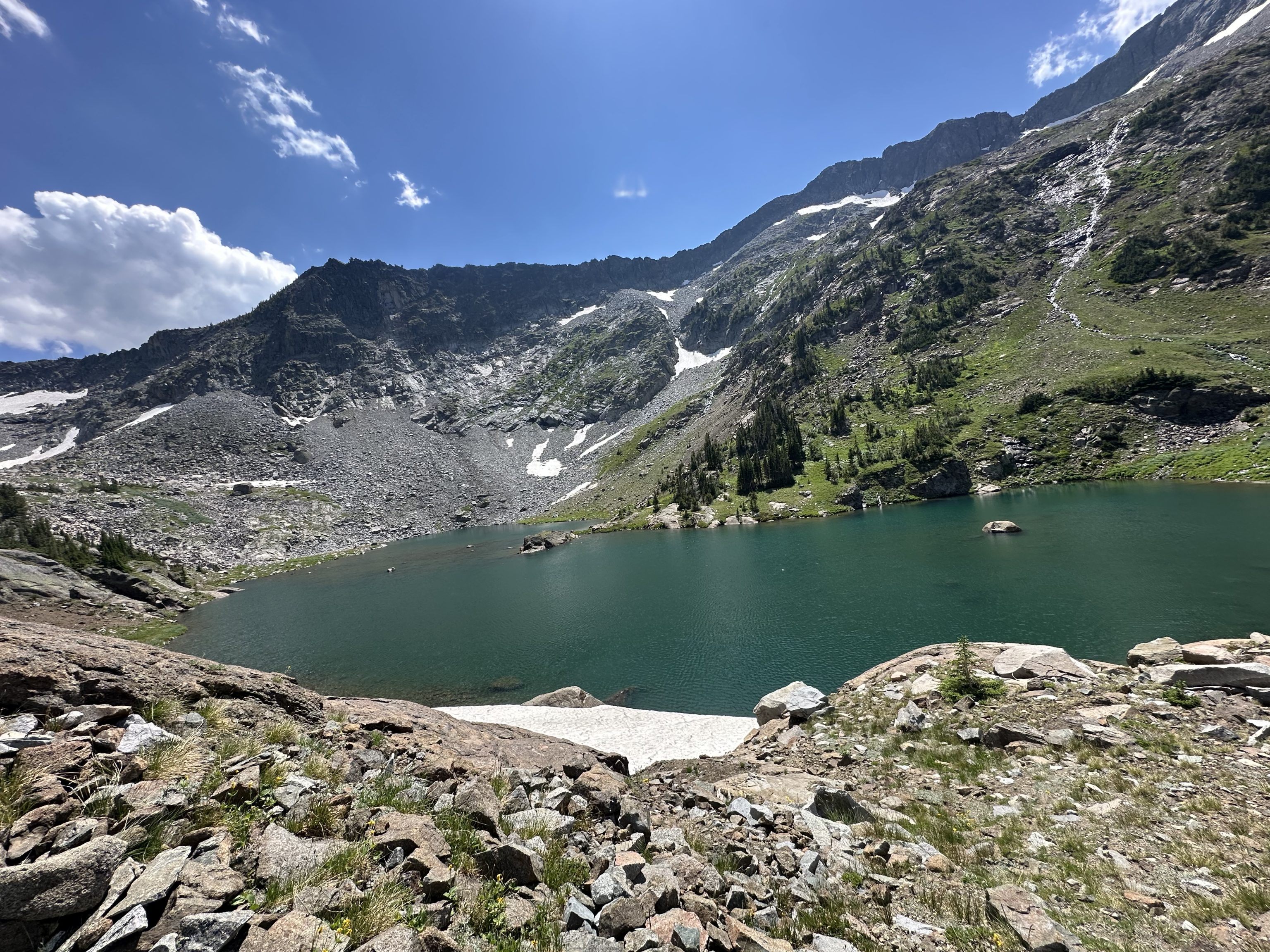
This course may be the most beautiful place I’ve ever had the privilege to run. Towering ridgelines, crystal-clear alpine lakes, and waterfalls around nearly every corner make it feel like you’re running through a postcard. It’s easy to get caught up chasing a time or the next aid station, but don’t forget to look up. Take a moment to soak in the views, appreciate where your feet have carried you, and capture as many photos as you can. The finish line will eventually fade from memory, but the experience of moving through a place this incredible is something you’ll carry with you forever.
Difficulty – Is it a tough course?
This was, without question, one of the hardest and most grueling 100 mile races I’ve ever completed. Every mile demanded something from you physically, mentally, and emotionally. This isn’t a race you simply show up and hope to survive. It rewards preparation, patience, and resilience, while exposing every weakness in your training, pacing, and mindset. There will be moments when you question why you’re out there, but that’s exactly what makes crossing the finish line so meaningful. If you’re looking for an easy buckle, this isn’t it. If you’re looking for a challenge that will push you to your limits and leave you with an immense sense of accomplishment, you’ve found it.
Organized and well run – Did it feel like a well-oiled machine or were they flying by the seat of their pants?
This was one of the best organized races I have ever been a part of. Considering the remote terrain and the incredible logistical challenges of supplying aid stations, including one that is packed in by horses and mules, I was continually impressed by how seamless everything felt. Every aid station was well stocked, the volunteers were enthusiastic and attentive, and I never found myself needing something that was not available. It is clear that after five years of putting on this event, Meghan and her team have refined every detail. Their experience, preparation, and passion for the race are evident from start to finish, allowing runners to focus on the adventure instead of the logistics.
Competition – Is there a strong field?
While there were a handful of elite runners on the starting line, the field was largely made up of dedicated, hardworking athletes from all walks of life. It created an atmosphere that felt both competitive and welcoming, where everyone was chasing their own goals and celebrating one another along the way. Whether you were racing for a podium finish or simply hoping to hear your name called at the finish line, there was a genuine sense of camaraderie that made the experience even more memorable.
Logistics – Does it require a special handshake, registration a year in advance, hotels all booked? Give us the low down on the nuts and bolts of making the race happen.
If running Crazy Mountain 100 is on your bucket list, it is worth planning well in advance. What was once a race you could simply register for has grown tremendously in popularity and will move to a lottery beginning in 2027. Entry also comes with a few unique requirements, including qualifying standards and a minimum of eight hours of trail work. Those requirements reflect the spirit of the event and the commitment to preserving the trails that make this race possible.
The logistics are just as important as your training. Both the start and finish are in remote locations with very limited lodging nearby. Most runners stay in Bozeman or Livingston the night before the race, but keep in mind that the drive to the start is more than an hour. Another great option is camping at either the start or the finish. If you camp at the finish, the race provides transportation to the start on race morning, making race day much less stressful.
If you are bringing a crew, preparation is essential. Have them purchase everything they will need before leaving town because there are very few opportunities to resupply once you are on course. Cell service is almost nonexistent throughout much of the race, so communication can be difficult. If your crew has access to a Starlink, it can make coordinating and staying connected significantly easier. Like everything else about this race, a little planning goes a long way and allows you to focus on what really matters once the adventure begins.
Aid Stations – Standard fare or anything special to know about the aid stations in terms of what’s available or when?
The aid stations offered everything you would expect at a well supported 100 mile race, with all the standard nutrition options along with a few welcome surprises such as homemade soups that tasted especially good after hours on the trail. The most memorable aid station was Cow Camp. Knowing that every tent, table, chair, and supply had been packed in on horseback made it even more impressive. Despite its remote location, it was exceptionally well stocked and staffed by enthusiastic volunteers who made every runner feel welcome. It was a perfect example of the incredible effort and dedication that goes into making this race such a special experience.
Weather and typical race conditions
Race day greeted us with hot, humid conditions after storms rolled through the night before. It was a reminder that the weather in the Crazy Mountains can be unpredictable and change in an instant. You should come prepared for a wide range of conditions, from cool rain and wet trails to intense heat and humidity. Having the right gear and being willing to adapt to whatever the mountains give you is just as important as your fitness. The runners who are prepared for changing conditions will have a much better experience when the weather inevitably shifts.
Gear – Did you need anything special or is there anything you’d recommend for the next runner?
Outside of the mandatory gear, you do not need anything overly complicated. A mid sized running vest is more than enough to carry everything you will need throughout the day. I found that a reservoir was unnecessary since a soft flask paired with a water filter worked perfectly. There are plenty of reliable water sources on the longer stretches between aid stations, making it easy to refill as needed. Trekking poles are an absolute must. They will help conserve your legs on the long climbs and provide added stability on the technical terrain, making them one of the most valuable pieces of equipment you can bring.
Spectators – Is this a friendly course for your friends?
This is not a spectator friendly course. Outside of a few accessible aid stations and the finish line, there are very few opportunities to see your runner. If you are crewing or supporting someone, be prepared for a long day with limited access and only a handful of chances to cheer them on.
How’s the Swag?
Crazy Mountain absolutely crushed it when it came to race swag. This was some of the best race swag I have ever received, and it was clear they put a ton of thought into making runners feel like they were part of something special. Every runner walked away with a custom Yeti coffee cup, a hat, and a custom button up shirt that actually felt worth keeping and using long after the race was over. Then, as if that was not enough, they offered a finish line tattoo for any runner who wanted one, creating a permanent reminder of the adventure and accomplishment.
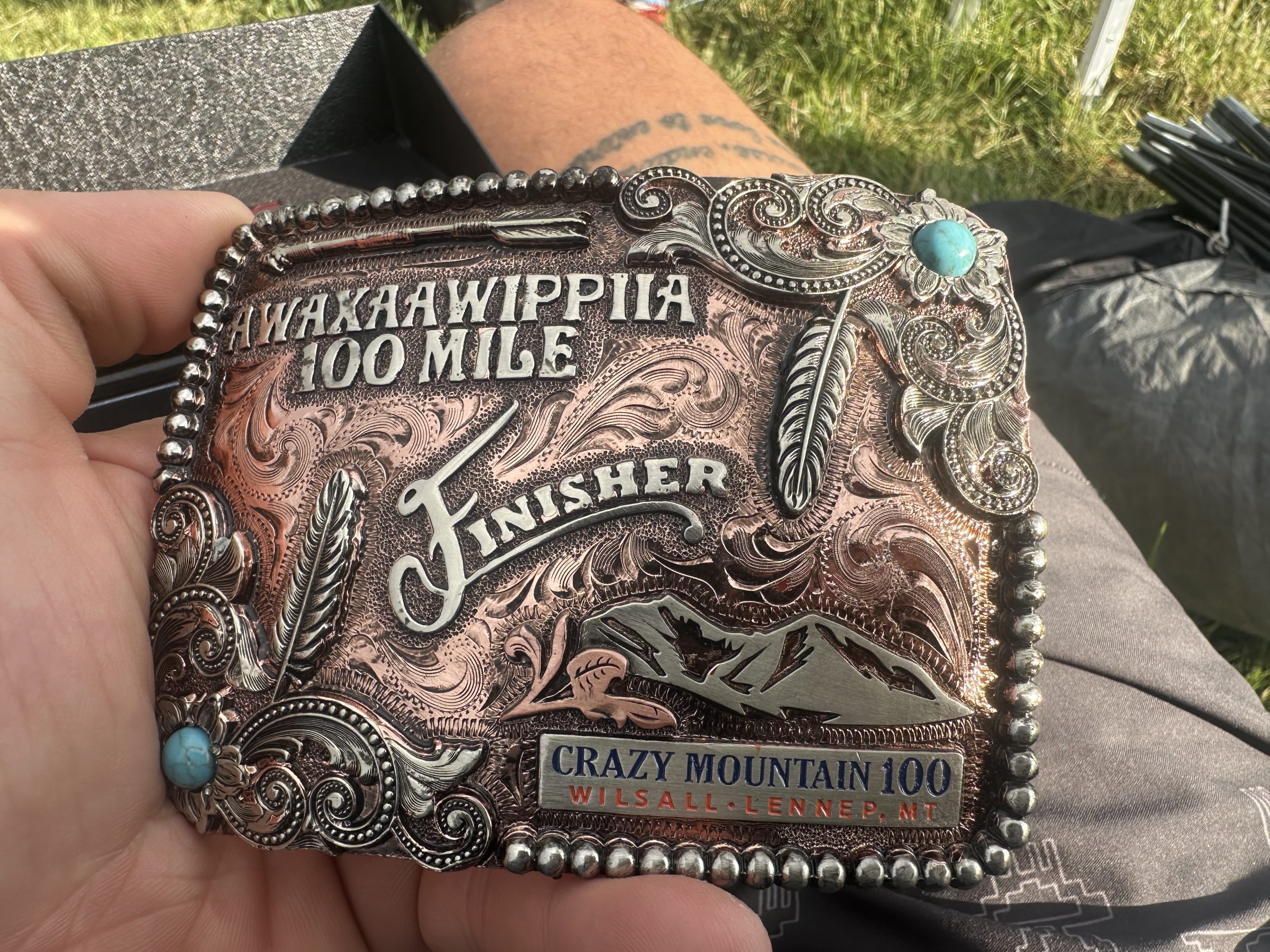
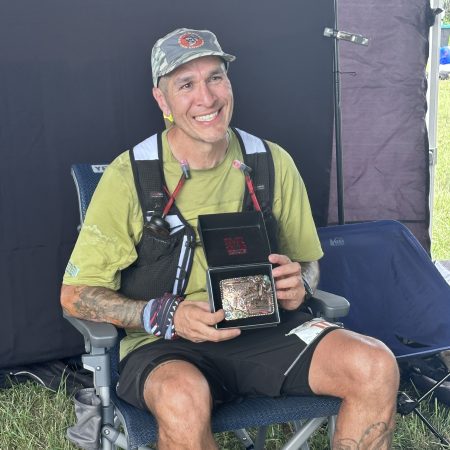
The stoke did not stop there. They had other awesome items available for purchase, and the post race raffle added another fun element to the weekend. I was lucky enough to walk away with a Yeti cooler, which was an awesome surprise after such a big effort. But the real showstopper was the finisher buckle. In my opinion, it is one of the best and most unique 100 mile buckles out there.
The Overall Score – How many stars do you give this race and do you recommend that others run it?
I would give Crazy Mountain 100 a solid 9 out of 10 and highly recommend it to runners who are looking for a true challenge. This is not a race you sign up for simply to check another 100 miler off the list. It is an experience that demands preparation, patience, and a willingness to embrace everything the mountains throw at you. From the rugged terrain and incredible scenery to the unmatched community and attention to detail, this race delivers something truly special. If you are ready to push your limits and take on an unforgettable adventure, Crazy Mountain 100 deserves a spot on your list.
Ricky is a coach with Team RunRun. To learn more about him or to work with him, check out his coach profile.