
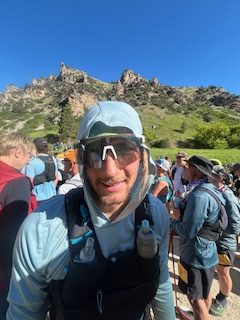
Race: Bighorn 100-Miler
Runner: Coach TJ Harms-Synkiew
Race Date: 06/19/2026
Location: Dayton, Wyoming
Results: 29:40:00
3 Bests – What aspects of the race did you like the most?
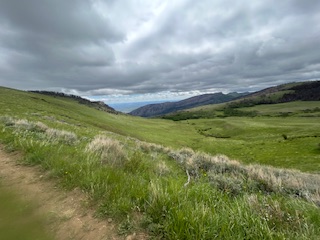
- I loved the scenery. This was my first time experiencing the Bighorn Mountains. I will definitely go back to explore on my own
- I liked the backcountry aid stations and appreciated all of the work that must have gone into put those into place
- Jaws aid station which was the turnaround and essentially the halfway point was dialed in as we were there during a busy time but still very well taken care of
Not so much – Aspects of the race that didn’t do it for you
- I appreciated it during the race, but I felt I was robbed of the proper Bighorn experience. This race is notorious for being muddy and hot and we got neither. The weather and trail conditions were perfect which made for a much easier race
- 99% of the volunteers were fantastic but my friend who was pacing me 70 miles while we didn’t have crew, was ignored at one aid station since he was a pacer not a runner
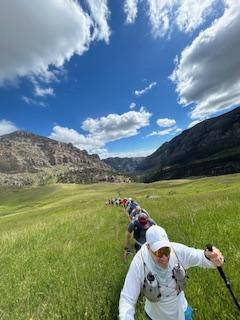
- They have shorter distanced races, and I did not appreciate yo-yo ing with them on singletrack
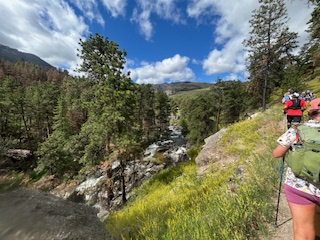
Highlights of your race – What did you do well and enjoy about your race in particular?
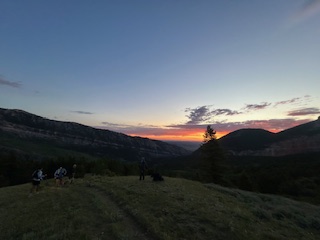
- Saw a mommy moose with her calf and less than 5 minutes later saw a bull moose right at sundown
- Having my friend pace me the last 70 miles of the race
Lessons for others – Share your pro-tips on the race to help the next runner
- I ate enough calories at the beginning of the race but wasn’t eating enough carbs. Carbs are king in these kinds of events.
- I was injured and wasn’t able to run much in the months leading up to the race but having a strong walk helped me prepare and succeed in this race
- Most years this race is muddy and hot. Plan accordingly. Have enough water storage capacity. Have a cooling system. Have layer changes and shoes at drop bags.
Lessons you learned that will help you next time around
- Don’t bomb down the last hill. There is still a 6-mile road section to the finish once you’ve left the mountains. I blew my load and learned the hard way.
- Be aware of kicking rocks, especially early on in the race. Your toes will thank you later on, or at least hurt slightly less.
- Take extra time to fuel when you need to. Don’t let yourself get too far behind.
Most important course specific knowledge to know about the race
The course hits single track after the first mile. Be strategic about where you want to be in the pack for that. Run the first mile a little harder and start closer to the front of the corral if you don’t want to be behind a bunch of people. The first climb in the toughest but your legs are fresh. From Sally’s outbound to Jaws turnaround is a very steady but consistent uphill. Hava strategy for how you will attack it. After leaving Sally’s Footbridge inbound there is a steep climb, be mentally prepared.
Aesthetics – Is it a pretty course?
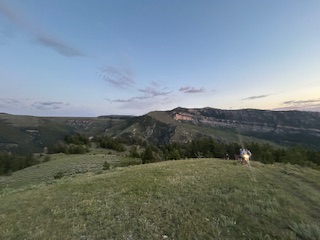
Yes! The Bighorn Mountain range doesn’t get enough love and is very underrated.
Difficulty – Is it a tough course?
It is a moderate mountain course. There’s about 20,000 feet of gain and loss but a lot of it comes in short and steady climbs. There aren’t many steep or overly technical sections, but it is a proper mountain course. If you are comfortable in the mountains and acclimated to the altitude, there’s nothing about this terrain that should be especially scary.
Organized and well run – Did it feel like a well-oiled machine or were they flying by the seat of their pants?
I was very impressed. They had their stuff in order and the folks at aid stations were very helpful
Logistics – Does it require a special handshake, registration a year in advance, hotels all booked? Give us the low down on the nuts and bolts of making the race happen.
Registration first come first serve but you don’t necessarily have to register immediately when it opens (may be different now than it used to be since 2026 was the first year it was not a western states qualifier)
If you are looking to save money on lodging, there is free, dispersed camping in the area
Aid Stations – Standard fare or anything special to know about the aid stations in terms of what’s available or when?
If you have crew, do research on the roads leading to the crew access aid stations. The drives are long and the roads are tough. Make sure you have a vehicle that can handle the terrain and a driver comfortable navigating those roads. The drive from Dry Fork (mile 13) to Sally’s Footbridge (mile 30) is especially long and technical. Depending on how fast the runner is, crew may not be able to catch the runner at both
There is a very detailed list of what food to expect at each aid station on the race website. Study this well. No gels or things of that nature. They use tailwind for their drink mix.
Weather and typical race conditions
2026 we got perfect weather, but it usually is hot and muddy.
Gear – Did you need anything special or is there anything you’d recommend for the next runner?
Extra shoes, socks, and gear at each drop bag. If the trail conditions are wet and muddy, you may need to change every chance you get
Spectators – Is this a friendly course for your friends?
No. The drive times are long and the roads are rough. Great finish line area, however.
The Overall Score – How many stars do you give this race and do you recommend that others run it?
9/10 – beautiful race, great views, well-organized. Usually around 300 starters for the 100-mile.
Want to read more? Read TJ’s full race report here.