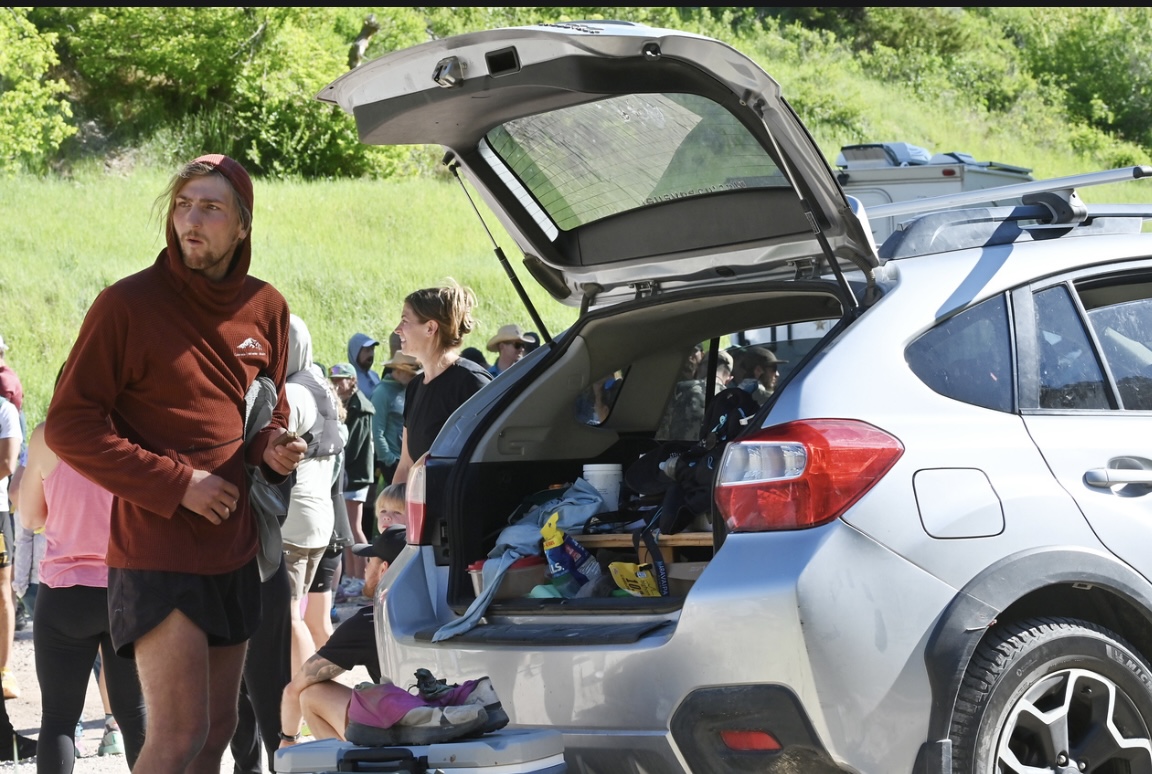
One crucial mistake many runners make is not testing out their gear during training runs and try a new piece of gear for the first time during a race. This can cause issues and negatively impact your race. Therefore, it is important to be diligent during training and use your gear many times before using it for a race.
Once isn’t enough
While using a piece of gear for the first time ever is a risky move, so is using gear that you have only used a couple times. You should use a piece of gear many times on different kinds of runs in order to feel confident it will work for a race. What will it feel like later into the race? Does it feel good based on your speed and weather conditions? The more you use a piece of gear, the more you’ll understand how it works for you in different elements and perhaps when it does not work the best.
For instance, there are certain shoes I will wear for training or up to certain distances but if I have them on for too long, they will cause me to blister. I also have gear that works well when it’s dry but will cause me to chafe if it rains.
The more frequent you practice with certain gear, the more you’ll learn the nuances and how to use it to your advantage without causing problems.
Train as if you’re racing
You can get away with minimal to no gear during most training runs but force yourself to use your gear even when you don’t necessarily need it. As I mentioned, the more you use your gear, the more familiar you’ll become. Oftentimes, you’ll need much more gear in a race than a training run, however, the more you get used to your full racing kit, the more natural it will feel.
Even if it’s not every run, figure out some sort of routine when you use all of your race gear. Easy runs and long runs are an especially good time to experiment with this.
You should feel as confident as possible going into a race, and practicing with your full race kit is part of that.
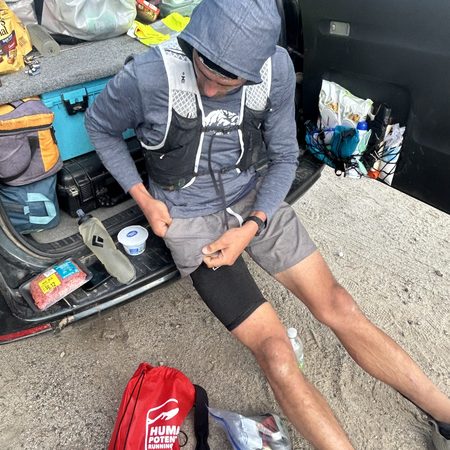
Figure out your systems
Every runner has different systems for how they do things. From how you carry your water and nutrition to where you carry certain pieces of gear all the way down to how you tie your shoes, everyone has their own way of doing things. It’s important to practice all of these things during training runs to ensure you have your systems in place and don’t let lack of preparation turn into inconveniences that could negatively impact your race.
Where will you put your sunglasses? How accessible are your priority items? Is there anything buried in your pack that will be hard to access if you need it? These are important things to think about and figure out before the race starts.
Aid station stops
This is an area where nearly every runner can improve. Even if you complete every training run with your full racing kit, you may be missing an important piece.
Filling your water and exchanging your nutrition and possibly gear may seem simple but it’s not. Folks loose valuable time at aid stations every race and it can add up, especially in longer efforts.
Practice your full aid station stops. Filling your water, screwing the caps back on, putting it back in your bag. Throwing trash away, exchanging nutrition, etc.
While you may do these things all the time, practice doing them fast and efficiently. You may think you have it down, but when you’re on the clock, you could find out otherwise. Don’t let the race be the time you make this realization. Be prepared and dial in your exchanges to save time and minimize stress during races.
On a similar note, practices changing your gear as well. Changing shoes and socks, taking out your trekking poles while moving, taking layers on and off. Just like anything else, the more you do it, the more efficient you become.
These may seem like small details in the grand scheme but they are easy to practice and become efficient in and allow you more time for the actual running part which could be the difference between you achieving your goals or not.
Nutrition
While nutrition may not be what you think of when you think of gear, you carry it and use it during a race, so for the purposes of this article, it’s close enough.
Since nutrition is likely the thing you’ll need to get from your pack the most frequently, it should be accessible. Have certain pockets designated for nutrition. Consider organizing based on what kind of nutrition it is (I.e. solid vs. liquid, salty vs. sweet).
Where will you put your garbage? Will it be messy? Especially when using things like gels, I recommend carrying extra sandwich ziplock bags to carry used gels. If you don’t, it may leave a goey mess wherever you put it.
Have your nutrition system in place to be able to eat on-the-go and dispose of waste in a clean matter.
Adjacent to nutrition is human waste. Practice going to the bathroom outside if you’re not used to it and remember to bring something to wipe with and an extra ziplock for your used wipes.
Time Matters
As we all know, once the clock starts to begin a race, it doesn’t stop until you cross the finish line. If you aren’t familiar with your own gear, you may waste precious time because you were unprepared. This is avoidable and if you have your systems in place, you will be able to make use of the space you do have to ensure you are efficient as possible and putting yourself in the best position to succeed.
If you look at some of the best runners in the world, one thing that sets them apart is their efficient stops. Sure, their faster speed allows them to get away with less self-care during races, but the rest of us can still be just as efficient and save lots of time during our stops.
Preparation equals success
The more you practice using your gear, the more confident and efficient you’ll become as a runner. This will not only save you a lot of headache during a race but will also save you a lot of time. This translates into faster results without running any faster.
Being willing to go the extra mile and prepare more than the average runner will bleed into other areas of your running, allowing you to become more prepared and ready to conquer your next challenge.