How to keep a smile on your face while pushing hard for your goals
Lost in the numbers
In a running world filled with watches that track nearly every possible metric, chip timing systems that log your time to the nearest tenth of a second, numbers are everywhere. While these can be useful tools to make sure you’re staying with certain ranges, they can also drive people crazy. It can be easy to get lost in the numbers and forget running can be a simple sport. Run and have fun, that’s it. I believe tracking every possible thing can lead to running becoming an overwhelming and dreaded activity. Those who get caught up in numbers all the time are much more likely to stop enjoying running and burnout.
While I choose to run without even a stopwatch most of the time, I’m not recommending you to go to this extreme. Rather, I encourage you, even if it’s just every once in a while, to just go run. No need for the watch. No need to track your heart rate. Just run for fun and do what feels good. Incorporating this into your routine will help you restore and maintain your love for running and ensure it stays fun.
Numbers don’t equal success
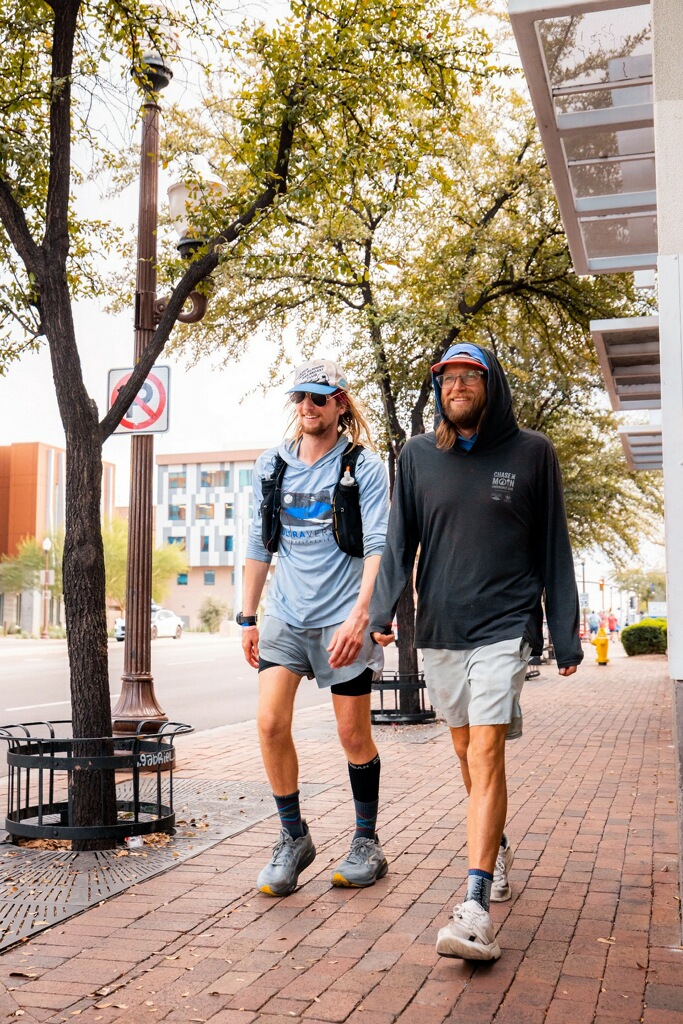
Not tracking runs doesn’t mean your slacking. In fact, it ensures you are doing it for the right reasons. It ensures you are doing it for yourself. So many people post every activity they do on their Strava, expecting others to notice and give kudos. While this isn’t inherently a negative thing, it can be. One great quote is: “would you still do it if you couldn’t tell anyone?” This is an important thing to think about in all aspects of life and is especially important with your hobbies such as running.
Not tracking runs doesn’t mean you can’t achieve big goals. I follow no training plan and on more than 95% of my runs, use no smartwatch. However, this past year, I’ve completed four mountain 100-milers in a four-month span, including three of them in a six-week span, and two of them that each had around 20,000 feet of gain in back-to-back weekends. Also, I ran under 24 hours at the Leadville 100. This is not to brag or say I’m any better than anyone else, but I’ve been able to accomplish a lot while training the way I want to train and maintaining my love of running.
In fact, research some of the best runners from a few decades ago. Many of them had unorthodox training styles and didn’t have all the data we have today. Sure, record-times have dropped significantly, but there were lots of folks dropping impressive times while not tracking much of what they didn’
Why do you run?
One important thing to think about when navigating your running journey is why you got into it in the first place. Was it to lose weight? Get in better shape? Achieve a new distance such as your first 5K or marathon?
Regardless of the exact reason, most people get into running for themselves. People want to better themselves and running is one way they can do that. Over time, it’s easy to forget about your why and start chasing bigger and bigger goals just for the sake of achieving them.
Does it matter? Will running a certain time in a certain race make you a better, happier person? Probably not. While it’s honorable to have ambitious goals to push yourself to, it’s important to not let that get in the way of the reason you do it in the first place.
Many people make the mistake of getting so into their goals, they forget to enjoy the process and why they started running in the first place. This can often lead to burnout and falling out of love with the sport, and in some cases, folks will stop running completely.
How to make running more fun
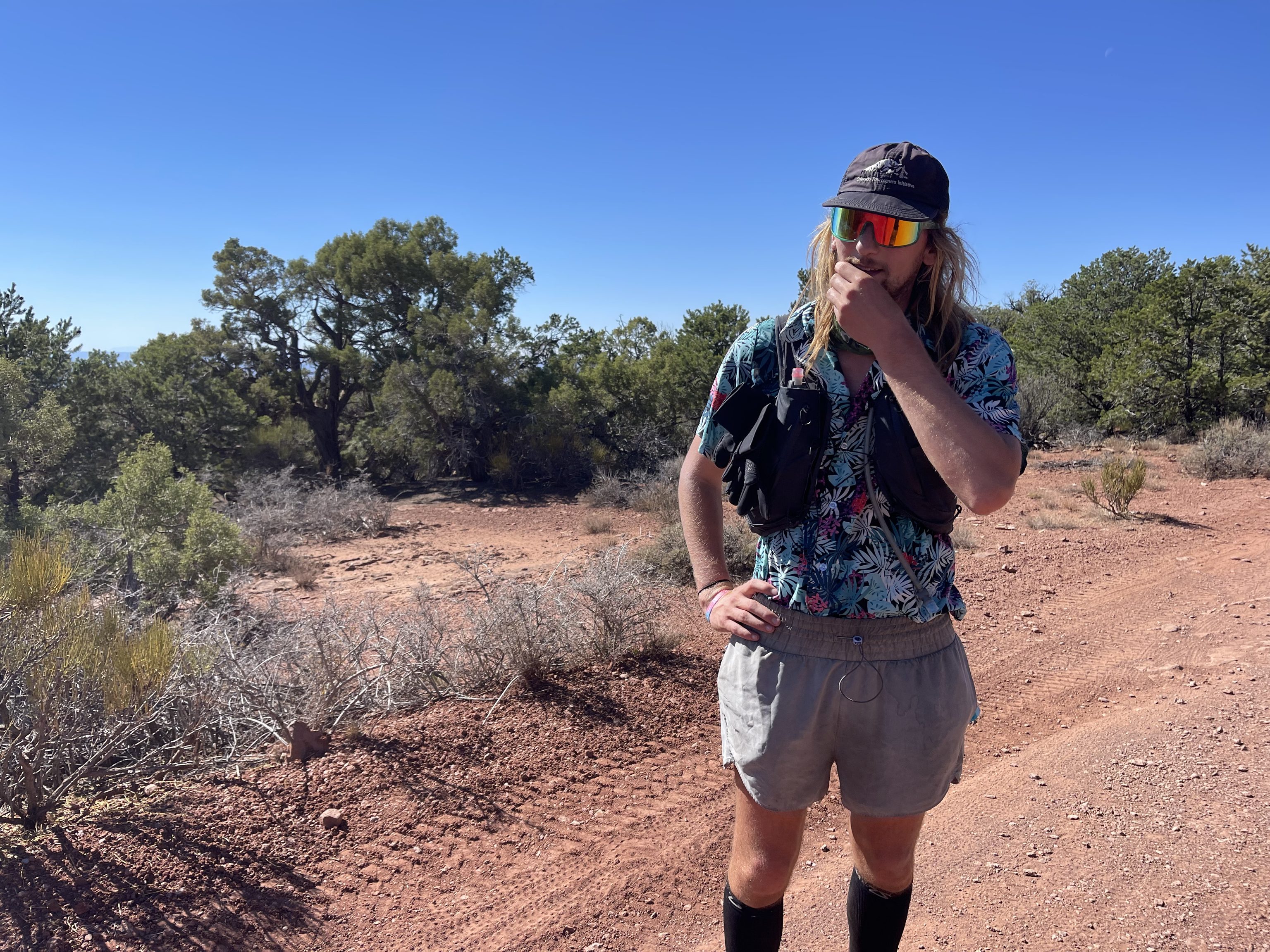
Even if you do follow a strict training plan, you can still encompass things into your training plan to make things fun.
Easy runs are a great time to ditch the watch and forget about the numbers. I recommend never tracking your pace on a true “easy run” and rather making it time-based instead. For example, go out for 45-minutes, regardless of how far you go. Leaving the watch at home ensures you can’t track your pace and don’t know how far you went. Maybe also take these runs to explore a new route you haven’t done before and/or run with a friend who you enjoy their company with but might run a bit slower than you normally want to.
Take an off-season. After a race or if you have a long enough stretch between races, take time away from a strict training plan. Maybe you run less miles and/or maybe you don’t care about your pace during this period.
Break your routine every once in a while. Especially if you are feeling burnt out, either mentally or physically, maybe skip your least favorite run of the week and replace it with something that excites you. While discipline is important, it’s easy to become a robot and follow every plan to a T. It’s okay if you occasionally break this cycle to do something you enjoy.
There are many ways you can spice up your training plan and make it more enjoyable without jeopardizing your goals or fitness. Be creative!
My Story
As I noted previously, I rarely use a watch and don’t follow a training plan and listed some of my 2026 accomplishments. I began running when I joined my high school’s cross country team when I was 15. My coaches were great and encouraged us to enjoy running. They were more interested in how many of us were still running as adults than what times we achieved while in high school.
Into my second year, I pushed myself to be more competitive and make the varsity team and my 5K PR topped out at 18:09. The more competitive I tried to be, the more I cared about numbers and time and less about having fun. I eventually got burned out and didn’t run much for the first couple years out of high school.
During the periods I did run, I would get into it for a few weeks or months casually, then would get more serious and competitive and would start running hard until I got injured or stopped liking it and would lose motivation. Towards the end of college, I set my eyes on marathon training and encountered the same problem.
After college, I spent a summer in Colorado and got more into hiking and trail running. I ran my first marathon that summer and quickly jumped into ultras and ran my first 100-miler that fall.
As I felt myself getting back into running, I promised myself to keep it fun. I was okay with challenging myself and having ambitious goals, but not at the expense of fun. Fun is the #1 priority and I have done a good job sticking to that throughout my ultra journey.
Part of what keeps things fun for me is not following a training plan and not tracking most of my runs. I’m wound’t necessarily recommend this as general advice, simply, this is what works for me.
When I say I don’t train, this doesn’t mean I don’t run. I do run and I run hard. I would not be able to achieve the things I have if I didn’t. I just don’t follow a traditional training plan. I live a nomadic lifestyle and have spent a lot of time in cool places, such as Colorado. I let the trails decide how far I run and let myself get creative about how I get miles in. If there’s a cool route I want to run, I will do it. If a friend invites me on a cool trip, I will do it. I run and “train” but I do what I want to do and am flexible when things come up.
Again, this is what works for me and may not work for most people, but I believe there are nuggets from this philosophy that others can incorporate into their plan to ensure they are enjoying their own process.
How can YOU enjoy running more?
While this piece didn’t include a step-by-step way to improve a certain aspect of your running, hopefully it made you think about your own running journey. What can you do differently to ensure you are still enjoying the process?
Goals are important but they don’t need to come at the expense of your own enjoyment. You can perform at a high-level while taking time to appreciate running for the sake of running and enjoy every step of the process.
This doesn’t mean achieving your goals will be any easier, rather, it will ensure your motivation and excitement to achieve them stays high, promoting your longevity in this sport.
TJ is a coach with Team RunRun. To learn more about him or to work with him, check out his coach profile.