My Return-to-Run Postpartum Program: Journal Entry #2

My Return-to-Run Postpartum Program: Journal Entry #2

Mom of 3 and TRR Coach Amanda Hamilton is documenting her return to running postpartum journey here on the Team RunRun blog. This is journal entry #2 in a multi-part series. Catch up on Returning to Running Postpartum: Journal Entry #1.

Catching Up on Weeks 6-12 Postpartum

TRR Coach Amanda Hamilton and one of her children after running a race together.

I am now almost 4 months postpartum, and I surpassed the important 12-week mark: time to begin my return-to-run program! Between weeks 6 and 12, I started seeing my pelvic floor physical therapist in person again. During visits, she evaluated my pelvic floor, as well as my whole body. The focus was on addressing any weaknesses and imbalances that could impact my return to running. Early on, I was experiencing some pain in my right Achilles tendon on walks. Ironically, my Achilles presented more of a challenge than my pelvic floor! I began a regimen of weekly PT sessions with additional at-home exercises and icing to rehab the Achilles. 

This 2022 article from the International Journal of Sports Physical Therapy titled “Maximizing Recovery in the Postpartum Period: A Timeline for Rehabilitation from Pregnancy through Return to Sport”  is frequently cited by PTs and guided my postpartum running journey. The article includes helpful tables with week-by-week benchmarks.  

Creating My Return-to-Run Postpartum Program: The Return of the Running Bug

I am currently coaching myself, and when I began to dip my toe into running, the return-to-run program I designed began with a run/walk phase. For each run/walk, I started with 5 minutes of walking to warm up. While I had some sensitivity in my Achilles, my body otherwise felt surprisingly good; the running bug had returned! 

Mentally, I found myself struggling to stick to the runs I had programmed for myself. I needed to hold myself back from going too fast or running for too long. This also involved reminding myself to trust in the prescribed training, as I had put a lot of thought and research into the return-to-run program I wrote! I worked on talking to myself as if I was talking to one of my athletes. 

Pregnancy vs Postpartum Running: Mom Strength

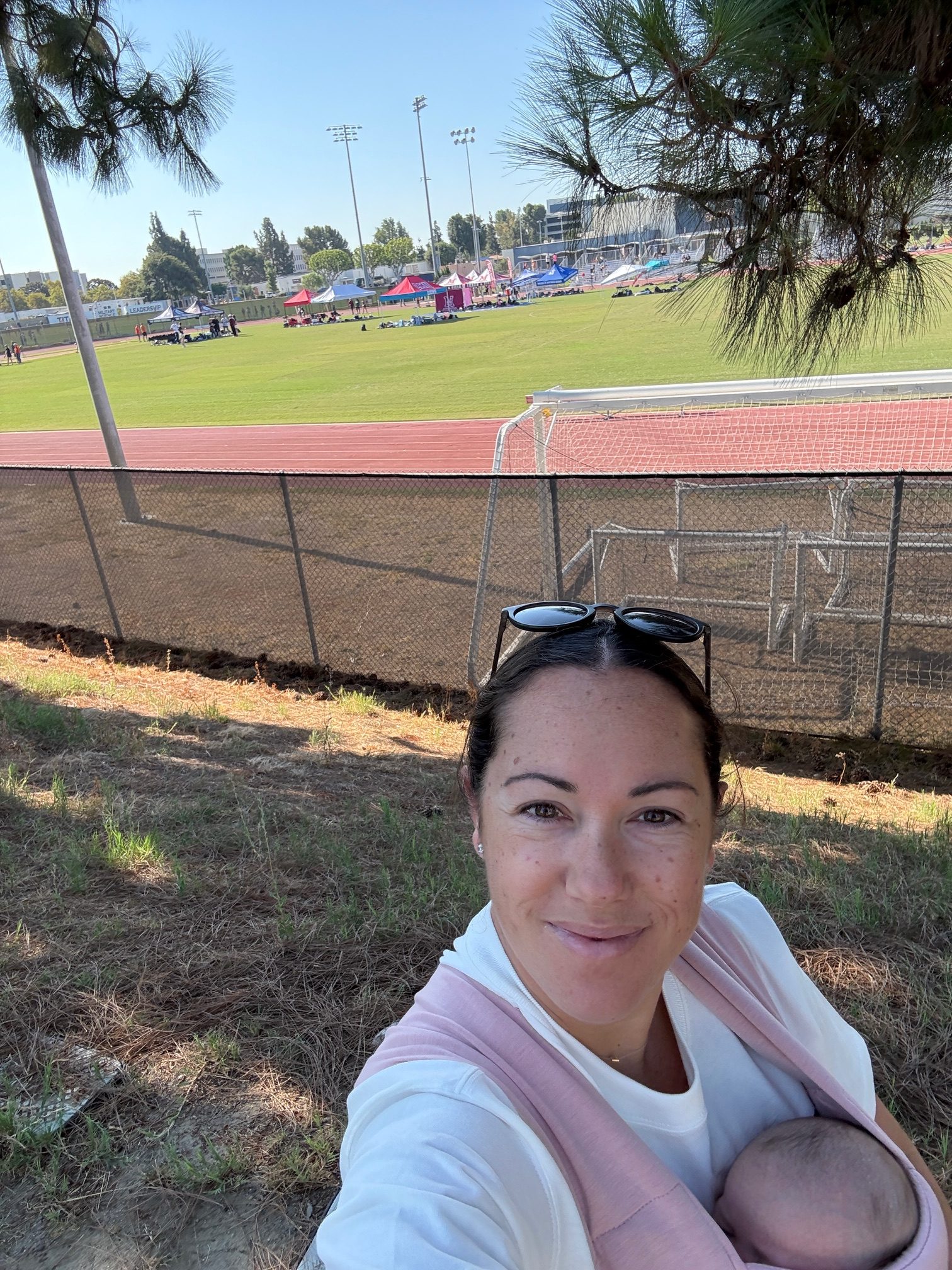
Amanda taking her postpartum running (and newborn) to the track.

While I’m aware that this is not everyone’s experience, for me, the postpartum runs felt easier than my last few runs during pregnancy back in April. I settled into a new easy pace that was 2-3 minutes faster than my easy pace when I was 6 months’ pregnant. I found that my cardiovascular endurance was better than I was expecting it to be, and this realization gave me a renewed sense of motivation. 

My Return-to-Run Postpartum Program Details and Postpartum Running Goals

Starting off, I began with just 1 run per week, then progressed to 2, and then to running every other day. I continued to rehab my Achilles, paying close attention to how it was feeling during and after runs. I took an extra rest day or pivoted to cross training if the Achilles didn’t feel great. Again, my pelvic floor and postpartum body felt surprisingly good: something I attribute to regular pelvic floor physical therapy sessions.

After a few weeks of run/walk intervals and very short easy runs, I progressed to slightly longer runs and some speed work on the track. I am LOVING being back out there! I’m feeling really good now, and have my training oriented around a 5K in January. While I’ll only be about 6 months postpartum by the time race day rolls around, I’m still hoping to get close to or even beat my 5K PR, set before my most recent pregnancy.   

I will be continuing to document my return to running postpartum in these journal entries. Expect more from me after my 5K in January. Thanks for following along!
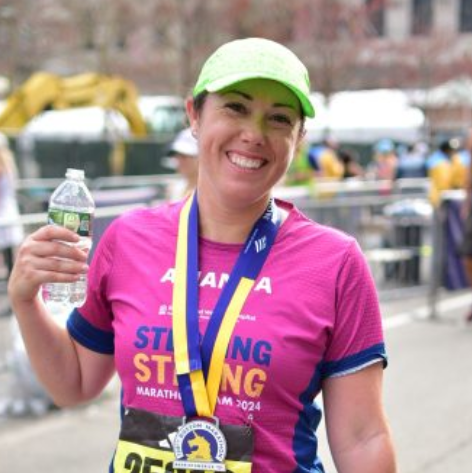
Amanda Hamilton is a coach with Team RunRun based near Los Angeles, California. She knows what it’s like balancing a family, returning to running, working and running. She’s excited to help both beginner and intermediate runners achieve their goals.
Return to Running Postpartum: Journal Entry #1

Cleared at 6 Weeks Postpartum—But Am I Ready to Run?

Mom of 3 and TRR Coach Amanda Hamilton is documenting her return to running postpartum journey here on the Team RunRun blog. This is journal entry #1 in a multi-part series.

TRR Coach Amanda Hamilton next to a running track with her newborn daughter.

Before we dive in, keep in mind that neither Amanda Hamilton nor the TRR team are medical professionals. There exists a wide range of conflicting advice concerning returning to running, so always consult your own providers. The article below is just meant to share one runner’s experience. 

6 Weeks Postpartum (and Beyond)

September 4th marks 6.5 weeks since I gave birth to my third daughter. The topic of returning to running postpartum is on my mind. Typically, your provider (obstetrician or midwife) will see you at the 6-week mark to assess your physical readiness to exercise. Having recently had my 6-week appointment and passing all their checks, I am now “medically cleared” to do any movement/workouts that I feel comfortable with. But what does that really mean for me? Am I ready to run? 

Not quite. This will be my third time returning to running after a baby, and I’ve learned a lot from my past two experiences. While recommendations and timelines vary widely, most pelvic floor physical therapists — whom I would consider to be the experts in this area — recommend waiting until the 12-week mark before returning to running. 

Pelvic Floor Physical Therapy: A Must for New Moms

In many European countries, pelvic floor physical therapy is the gold standard in postpartum recovery and included in the typical care plan. Unfortunately, in the United States, this care is less common, and a lot of women don’t know they even exists. Once you know, however, you can search for a local provider, and try to prioritize seeing someone in person. For some, you will have to pay out-of-pocket, whereas others take insurance (and you may only have a small co-payment). Fortunately, I found out about pelvic floor physical therapy (PT) after my first baby. As a result, I’ve been seeing a wonderful physical therapist on and off since then.  

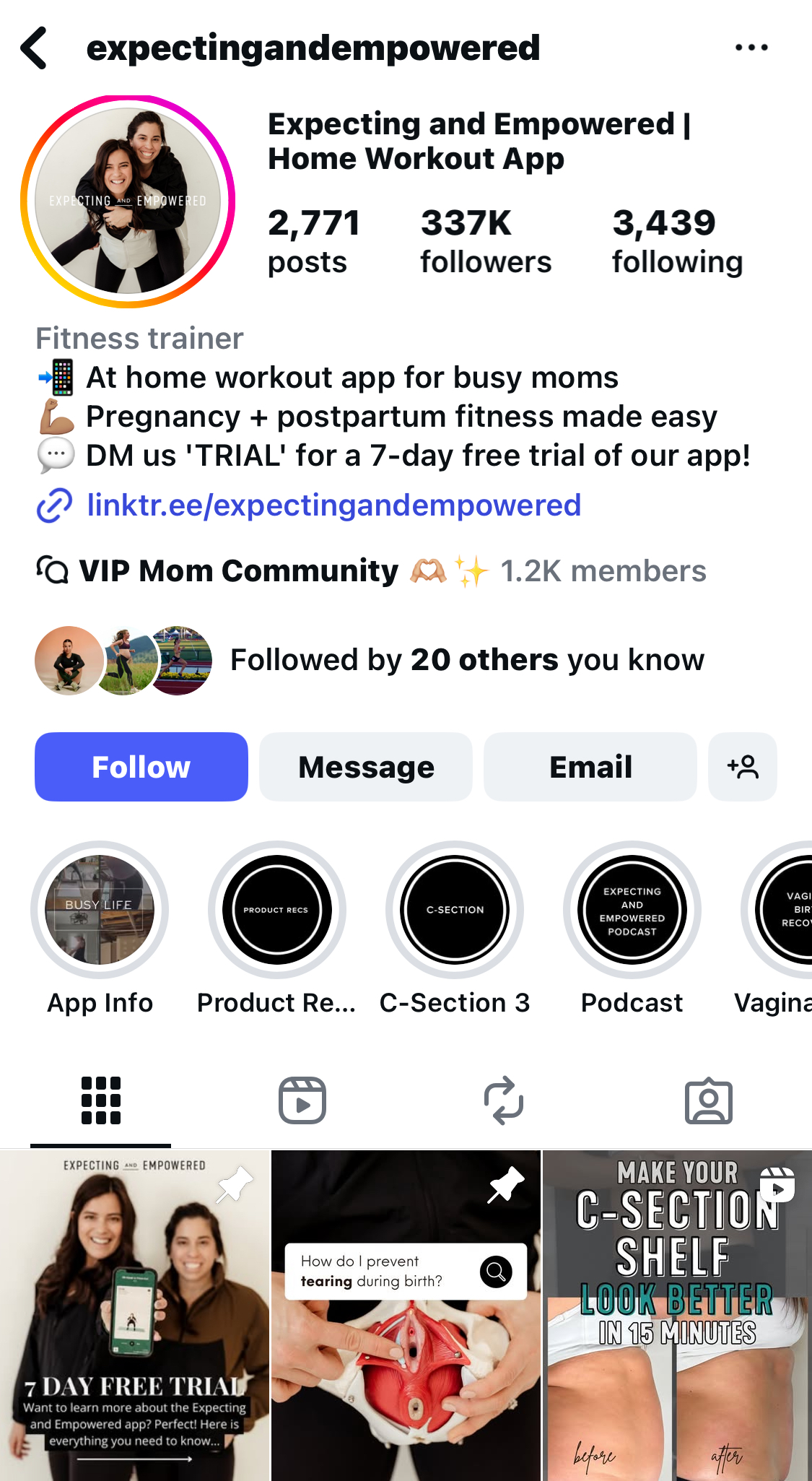
Expecting and Empowered's Instagram page with pelvic floor physical therapy resources.
Expecting and Empowered’s Instagram page with pelvic floor physical therapy resources.

Virtual Pelvic Floor Physical Therapy Resources

If you are unable to get in to see someone in person, here are my favorite evidence-based, pelvic floor resources: 

  1. Expecting and Empowered (E&E): “Two sisters on a mission to empower all women to thrive both physically and mentally throughout their pregnancy and postpartum journeys.” One of the sisters/founders is a pelvic floor physical therapist, and applied her expertise to their at-home workout app. The app includes a test that assesses your readiness to return to running. I utilized this test after my first baby and found it very useful. In addition to the app (which you have to pay for, though they do offer a free 7-day trial), E&E has a lot of free resources available on their Instagram account.
  1. Dr. Mae Hughes: Dr. Hughes is a Doctor of Physical Therapy and certified pelvic floor specialist based in Nashville, Tennessee. She is another great follow on Instagram, with a lot of helpful videos, FAQs, etc. Similar to E&E, Dr. Hughes has created her own “Run Readiness Checklist”. She will send it to you via email for free.  

As both Expecting & Empowered and Dr. Mae Hughes will frequently remind their followers, clinical expertise and scientific evidence indicate best outcomes for women who wait at least 12 weeks post-baby before returning to running. This 2022 article from the International Journal of Sports Physical Therapy titled “Maximizing Recovery in the Postpartum Period: A Timeline for Rehabilitation from Pregnancy through Return to Sport”  is frequently cited by PTs and worth a read in its entirety if you have a deeper interest in this subject area. The article includes helpful tables with week-by-week benchmarks.  

Waiting to Run Postpartum: Coping Strategies for Impatient Runners

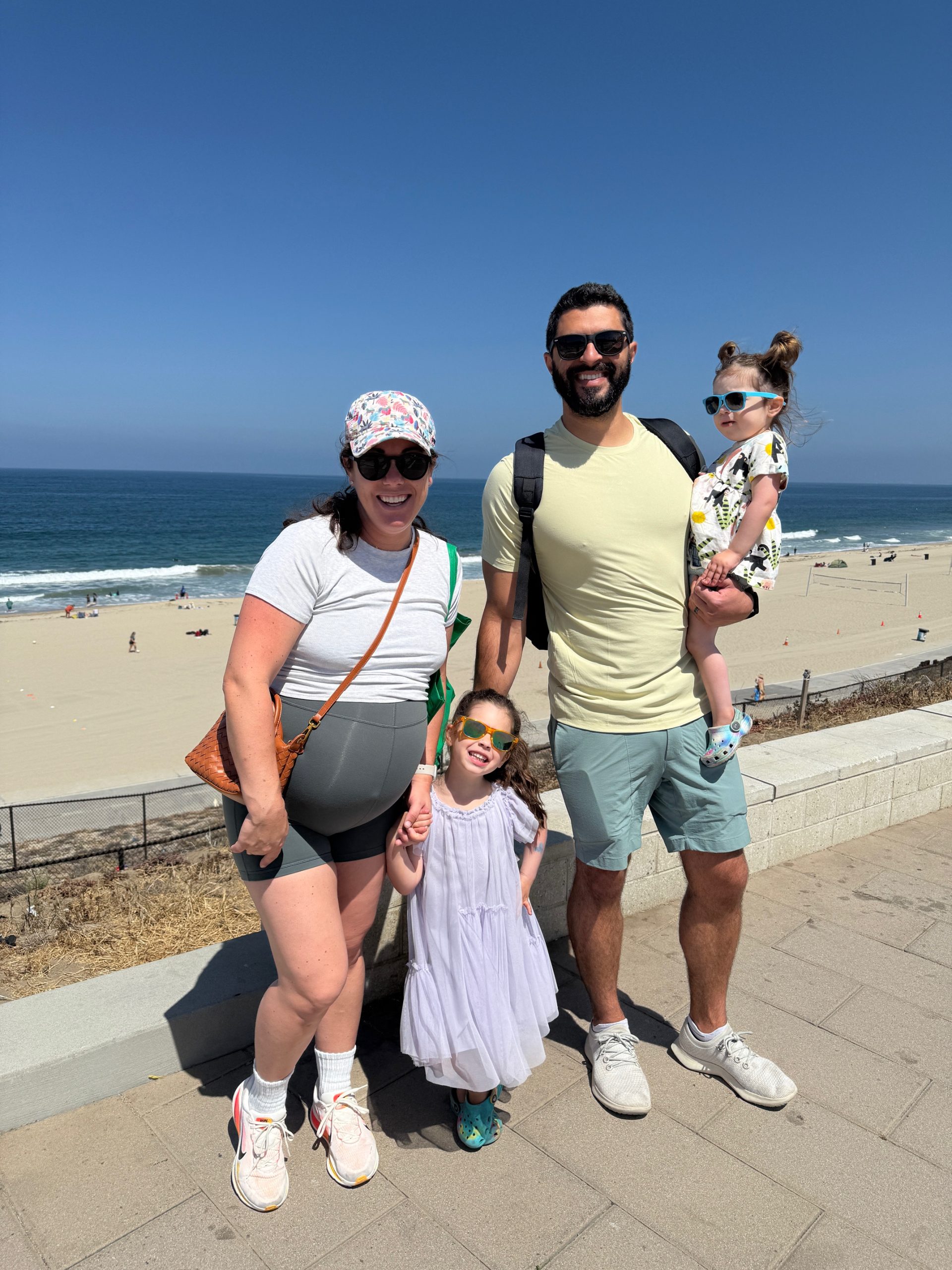
Coach Amanda and her family at the beach.

If you thought waiting until your 6-week check up to return to running postpartum was long enough, a 12-week wait is going to feel endless. The good news is that no one is advocating for 12 weeks of rest. Everyone is different, but I can share what has been helping me during this period.  

Physically, two of the best things for me have been diaphragmatic breathing and walking. I have also prioritized recovery services like massage and sauna. Mentally, the wait to return to running can be even tougher! I have maintained excitement, optimism, and motivation by ensuring I have specific things to look forward to when I return. For me, this has meant planning my upcoming race calendar and signing up for my next few races (a 5K in January, 10K in February, and a half marathon in late April).  In addition, I bought some new running apparel that I am holding on to for my return, and I’m looking forward to wearing! Lastly, I’ve been curating a “return to running” Spotify playlist over the past few weeks. (I’m accepting song suggestions if anyone would like to contribute!) 

I will be continuing to document my return to running postpartum in these journal entries. Expect more from me around the 12-week mark.  Thanks for following along!

Amanda Hamilton is a coach with Team RunRun based near Los Angeles, California. She knows what it’s like balancing a family, returning to running, working and running, and she’s excited to help both beginner and intermediate runners achieve their goals.