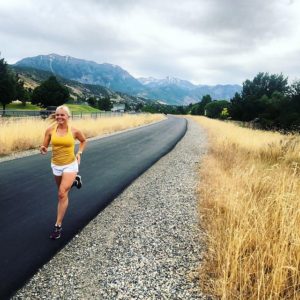
The Best Running Playlists

The Best Running Playlists

Every now and then, runners encounter a wall that requires a little extra motivation to break through. Whether that’s the infamous 20 mile mark of the marathon, that local neighborhood hill whose steep grade is notorious amongst local runners, or anything in between. A good, upbeat song can be just what you need to break that wall or conquer that climb. And a good playlist can often make or break a run. Many runners can’t run without it. There is the Rock and Roll Marathon Series known for having live bands at every mile to serenade you and fill your eardrums with motivation but others may want a more personalized playlist. Music is one of those things that often comes down to personal preference and taste, not unlike many other things in the realm of distance running, but this article will offer playlist suggestions ranging from the tried-and-true classics to songs you might not immediately think of when constructing a running playlist. Here are my go-tos! 

The Classics

Now these songs are hallmarks on any running playlist and would be borderline criminal to not mention in this article. While you won’t get any originality points for adding these to your playlist, these songs have withstood the test of time!

Songs that would fall under this category include:

“Don’t Stop Believin’” by Journey, “Don’t Stop Me Now” by Queen, “Runnin’ Down a Dream” by Tom Petty & The Heartbreakers, and “Eye of the Tiger” by Survivor (https://therunningawards.com/playlist). Speaking of Survivor, the song “Survivor” by Destiny’s Child would make for another good choice as would “Beat It” by Michael Jackson cause after all, no one wants to be defeated.

On the topic of Rocky and the songs it conjures up, while often overshadowed by “Eye Of The Tiger” other additions worth adding are “Gonna Fly Now” by Bill Conti and, even if just for the beat, “Up The Mountain” by Vince DiCola. Other classic rock anthems that also work well in your running playlist include “(I Can’t Get No) Satisfaction” and “Paint It Black” by The Rolling Stones, “Land of Confusion” by Genesis, “In The Air Tonight” by Phil Collins, “Born to Run” by Bruce Springsteen, “Born To Be Wild” by Steppenwolf, “Run To You” by Bryan Adams, and Pink Floyd’s “Run Like Hell”, which many say is perfectly calibrated to the runner’s rhythm, making for a great pump up song near the finish line building up for that finishing kick your about to unleash. For the same reason, I’d also save “Livin’ La Vida Loca” by Ricky Martin for somewhere near the finish line as well. 

Other songs that make for good go-tos on your running playlist include “I Can See For Miles” by Styx, “Livin’ On A Prayer” by Bon Jovi, “Hungry Like the Wolf” by Duran Duran, “Rock You Like A Hurricane” by The Scorpions, “Carry On Wayward Son” by Kansas, and “Thunderstruck” by AC/DC. If Thunderstruck particularly struck a chord with you in that last grouping, I’d also recommend “Ace of Spades” by Motorhead.

While not a classic in the musical genre sense, another cornerstone on any running playlist would be “The Climb” by Miley Cyrus for obvious reasons as hinted at by the title. Likewise, if just the title of the song serves as any indication, then another consideration for your playlist should be “Stronger” by Kelly Clarkson (https://www.playpartyplan.com/running-playlist/). Also simply for the beat alone and how it just screams hype song, “Sandstorm” by Darude is worthy of a slot on your playlist. It’s the kind of song you’d hear as a WWE wrestler enters the arena or as a closing pitcher walks out of the bullpen towards the pitcher’s mound, the crowd is instantly put on notice that it’s about to go down, the same applies as you crank it up in your headphones during your race. Other suitable choices include “Blinding Lights” by The Weeknd and “The Man” by Aloe Blacc.

Feel-Good Songs

Sometimes while out on the run, the last thing we want to think about is the run itself. That’s when an all-around feel good song comes into play, whether it is an uplifting song to make you feel good about yourself or something with a catchy tune to take your mind off the pain of being in the hurt locker. Remember in 1998 when we all caught the Dreamer’s Disease? “You Get What You Give” by New Radicals serves as a reminder that you got the music in you, even at mile 20.

Other songs that would fall into this category include:

“Tubthumping” by Chumbawamba, “Wake Me Up” by Avicii, “Lights” by Ellie Goulding, “Lions Inside” by Valley of Wolves,  “High Hopes” by Panic At The Disco, “Break My Stride” by Matthew Wilder, “Firework” and “Roar” by Katy Perry, “Good As Hell” by Lizzo, “Shake It Off” by Taylor Swift, and “Confident” by Demi Lovato. Sometimes you just need a song that makes you feel like you can do anything such as “I Can Lift A Car” by Walk The Moon or a song that really puts you in the run instead of distracting you from it, in which case a song like “Float On” by Modest Mouse or “Whatever It Takes” by Imagine Dragons would make for good choices. Other Walk The Moon songs that would make good additions to your playlist include “Anna Sun” and “Shut Up And Dance”. As far as catchy tunes, look into “Dance Monkey” by Tones And I as well as “Harder Better Faster Stronger” by Daft Punk (https://www.musicgrotto.com/best-running-songs/). If electronic isn’t your jam, then an alternative to the hit Daft Punk single would be “Stronger” by Kanye West. 

Rap and hip hop have plenty of solid choices for a running playlist, such as “Lean On” by Major Lazer (or the remix by Ty Dolla $ign), “Old Town Road” by Lil Nas X, “Lose Yourself” and “Till I Collapse” by Eminem, “Party Rock Anthem” and “Sorry For Party Rocking” by LMFAO as well as “Let’s Get It Started” by The Black Eyed Peas along with “Raise Your Glass” and “So What” by Pink. With rap and hip hop music in your running playlist, it hits on two notes in particular. First is it adds a certain grit to the playlist in addition to seemingly transporting you to another world, taking your mind off the run and pain accompanied. Given the genre, that other world may often be the club (“Club Can’t Handle Me” by Flo Rida anyone?) but with some of the other feel-good songs we have highlighted, it can transport you to wherever your happy place may be.

There are even some pop songs that capture that gritty feeling as well, inspiring through the mantra of rise and grind. Such examples include “Glitter & Gold” by Barns Courtney, “Work Bitch” by Britney Spears, “Bad Romance” by Lady Gaga, “Genie In A Bottle” by Christina Aguilera, and “Vogue” by Madonna. For real gritty tracks, you can always opt for metal as well with songs like “Monster” by Skillet. 

While there are many choices for songs to add to your running playlist, it comes down to both personal preference in addition to what you want to get out of your running playlist. You likely want motivation and music that you enjoy, which is different for each person. You may want a distraction from your run or something to help you focus on the task at hand. Remember that not all events are headphone friendly and that if you do have your headphones in at a race that you still need to be cognizant of volunteer/course marshal instructions and the race’s specific safety measures. We hope this guide was helpful in helping you construct a running playlist fit to conquer your goals. See you out there ready to rock the course and roll up those miles! 

brian comer running coach

Brian Comer is a coach with Team RunRun. To learn more about him or to work with Coach Brian, check out his coaching page.

orcas island 50k race report

Should I Buy Special Running Socks?

A common question among newer runners is whether they need to buy specialty running socks. When you’re already dropping hundreds of dollars on other gear like shoes, rollers, and hydration belts, you may think just any pair of socks will do. Not true! And this article seeks to show just how important it is to make sure you opt for those specialty running socks. 

orcas island 50k race report
Photo: Glenn Tachiyama

Material Matters

There is a reason why so much fuss is made over whether something is dri-fit or not. Just like how you’d rather not just wear a regular cotton t-shirt when you go for a run, you wouldn’t and shouldn’t do the same for your socks. While cotton t-shirts are known to cause some uncomfortable chafing, cotton socks aren’t exactly known for their breathability either. They are known for holding onto heat, friction, and moisture, all of which make your feet more susceptible to blisters. Getting specialty running socks not only keep your feet more comfortable, but they also help regulate temperature, wick moisture, and reduce blisters. Plus, the extra durability you get from specialty running socks make them a more economical choice over time. 

Depending on the brand of running socks you get, you can come across different materials that all work equally as well as one another. At that point, it all comes down to personal preference. The majority of running socks have some combination of synthetic fibers like polyester, acrylic, and nylon. These fibers are found in fabrics such as Coolmax and Drymax with a main selling point of being particularly good for sweaty and wet feet as they are very fast drying and pull moisture away from the foot. 

Another fabric that is also often found in running socks is wool, often in the form of Smartwool or Merino Wool socks. While it may not sound like it, these socks are also good and effective year-round. While you may seem put off to want to wear these during those hot summer runs, these socks are also moisture wicking, comfortable, and breathable. With Merino wool, they regulate temperature to both keep your feet cool in the summer and warm in the winter. With natural odor resistance, stinky feet become a thing of the past and they are even better for the environment than using petroleum-based synthetics.. Fleece-lined running socks also help provide a more comfortable winter running experience by trapping heat while still wicking away moisture.

Bonus “Feetures”

The materials of the sock and their subsequent benefits aren’t the only thing you get out of the added price, you also get benefits in terms of fit as well. While the material of the sock goes a long way in preventing blisters, there are also fit features that help prevent and alleviate blisters as well. These include seamless toes to prevent rubbing and bunching, separated toes for those prone to blisters in between their toes, and having socks with two layers, which allow any rubbing and friction to occur between the two layers as opposed to a single layer with the runner’s foot. Other models of socks will vent through mesh ventilation, which still protects high-wear areas while allowing socks to breathe where needed. 

Does Left Foot Right Foot really matter?

Have you ever wondered why some pairs of running socks list an “L” or an “R” on them to signify left and right? Despite contrary belief, it isn’t for the sake of delirious runners in the latter stages of a long, grueling event. It is since most running socks have an anatomical feet feature, meaning that those socks are designated for left and right feet to give a more personalized fit to better support each foot individually. Running socks also provide better support than regular athletic socks due to extra cushioning and advanced arch support. The cushioning is placed often at the toe and heel, protecting the underfoot, while the arch support, as suggested, protects the arch on top of the foot, using compression bands to improve fit and even help with preventing common major running injuries like plantar fasciitis. 

Compression is yet another benefit of specialty running socks! On the start line, you’ve likely come across runners wearing high, tight socks known as compression socks. While these tend to be more niche and take compression to the extreme, it is true that all specialty running socks have at least some degree of compression. On top of the snug fit preventing the socks from moving around, compression has also been found to aid in circulation as well.

To learn more, here is another good article from Running Warehouse that’s all about socks! 

Conclusion 

To summarize, the extra money spent on getting specialty running socks is well worth it. For the hundreds of dollars spent on running shoes, you need to have the right socks to go with them. While the cost seems steep initially, in the long-term specialty running socks are the more economical choice with their extra durability and benefits in terms of material and fit. The added comfort will have you going longer and stronger whether you’re out on the roads, exploring some trails, or when you hit up your local track.

brian comer running coach

Brian Comer is a coach with Team RunRun. To learn more about him or to work with him, check out his coach profile.

online running coaches help you hit your goals

Sports Bras for Newer Runners

online running coaches help you hit your goals
Photo: Coach Morgan Manuel by David Jaewon Oh (@thisisdizzle)

As you probably already found out, running shoes are not the cheapest investment for running, but it goes by that saying, “You get what you pay for.”  Same goes with buying sports bras.  On average, sports bras range from $35 to $98.  They’re not cheap considering you’re probably going to buy a few to rotate in the wash, but they’re so important in supporting the ladies when you run. In this article we’ll talk about sizing, matching your sports bra to your level of activity, what to look for when trying on a sports bra, and when to throw out your old sports bra.  

The first step to finding the right sports bra is figuring out what size you need. And that takes some measuring. You should also be sized every couple of years because sizes change—weight loss/gain, pregnancy, fluctuations in hormones, muscle loss/gain and more can all make a difference in your bra size.

HOW TO MEASURE YOURSELF

  1. Find your band size. Wrap a measuring tape around your back and above your bust line in the front. If you’re in between inches, round down to the nearest whole inch. The measurement in inches is your band size.
  2. Measure your bust. Find your bust size by wrapping the tape measure around your back and across the fullest part of your bust. Round to the nearest inch.
  3. Figure out your cup size. After doing steps one and two, finding the right cup size for a sports bra takes a simple math equation: Bust size – band size = cup size. The difference between your bust size and band size (in inches) will be your cup size.

Fleet Feet has a great resource if you want more details on sizing. 

IT’S ALL ABOUT IMPACT

After measuring your current bra size, it’s good to know the levels of impact based on your activity.  There are 3 levels – low, medium, and high impact.  

  • Low-impact sports bras are for lounging around the house, when going out for a walk, or participating in a yoga or pilates class. If your breasts are on the smaller side, you may find them supportive enough for hiking, cycling or weight training.  
  • Medium-impact sports bras are great for people of all cup sizes. Depending on your breast size and the degree of lift and support you require, medium-impact bras may be your go-to for either low-impact or high-impact activities as well. 
  • High-impact bras provide the most support, and the most ideal for larger cup sizes.  They are designed for activities that involve a lot of bouncing and breast movement such as running, kickboxing, horseback riding or HIIT.  

To learn more, check out this post from the lift by knix.

Because running is in the category of higher-level impact, there is a greater degree of breast movement, therefore there’s a greater need for support. Even if you wear a 34A— if you don’t wear a sports bra when working out, you run the risk of damaging and stretching the breast ligaments, which could result in long-term issues like back problems and shoulder pain.

WHAT TO LOOK FOR IN A SPORTS BRA 

Okay now that you know you need a high-impact sports bra, here are some factors to consider when you’re trying on different brands and sizes.  You want your sports bra: 

  • Snug, but not too tight: A sports bra should fit tighter than a regular bra but shouldn’t restrict breathing; you should be able to fit two fingers between the straps and your shoulders. There are two different types of support your breasts can have in a bra, either encapsulation or compression. Encapsulation supports each individual breast, normally in some sort of molded cup. Compression, on the other hand, compresses the breasts closer to your chest. There is no data on whether one or the other is better for you—it’s a personal preference. While we put all of our bras into one category or the other, many use both types of support.
  • Type of enclosure. This is a big decision you need to make. There are three main types of enclosures for sports bras, although some may combine these for additional support:
    1. Pullover. This style is similar to the traditional sports bra that pulls over your head. It could have traditional racerback straps or a variety of other strappy designs.
    2. Back Enclosure. These bras are secured by a hook-and-eye enclosure in the back, similar to your traditional everyday bra. Tip – when trying on a bra for the first time, the hook and eye should be in the loosest eye loop. The elastic will eventually wear down in your bra and you can get more life out of it when you then use the other eye loops.
    3. Front Enclosure. Some bras close in the front. This is a great option for people with mobility issues or nursing moms that need quick and easy access.
  • Wrinkles are bad: The fabric of the cup should be smooth. Wrinkles in the fabric are usually an indication that the cup is too big. Conversely, if you’re spilling out of the cup, it’s too small.
  • Watch out for gaps: Any underwire should lay flat against the rib cage, below your breast tissue, and should not pinch or dig in.
  • Adjust the straps: Raise your hands up over your head. If the band rides up it’s usually a sign it’s too big, though it is possible that the straps or the back closure may need adjusting.
  • Move around: Before buying your bra, jump around and swing your arms.  If you experience pain or discomfort, then try another sports bra.

Here’s another great resource to dig deeper into this topic! 

HOW LONG DO THEY LAST?

Once you found the perfect sports bra, now you wonder how long you can use them before throwing them out?  The general rule is that sports bras should be replaced about every six to 12 months, depending on how much you use them and wash them. If you notice a decline in support, it’s time to go shopping.  

Finding the perfect sports bra for running can take some trial and error.  Luckily there are more brands that are coming out with different sizes, style and fabrics.  One of the newer features to some sports bras are added pockets to add nutrition, phone, keys or other essentials.  Some brands that have a good selection of bras are: Brooks, Oiselle, Athleta, Under Armour, and Lululemon.  For your first running sports bra, I encourage you to shop at your local running store to try some on.  Happy sports bra shopping!

Rez Nguyen is a coach with Team RunRun. To work with her or learn more about her, check out her coaching page.