cim marathon race report

California International Marathon Race Report – Keith Laverty

Running coach Keith Laverty is here with his California International Marathon review to share what you need to know before running the race, including his tips for hill training.

Race: California International Marathon

Runner: Keith Laverty

Race Date: 12/08/2019

Location: Folsom to Sacramento

Results: 99th place, 2:24:29 (10+ minute PR)

Strava Activity Link: https://www.strava.com/activities/2920321658

california international marathon review
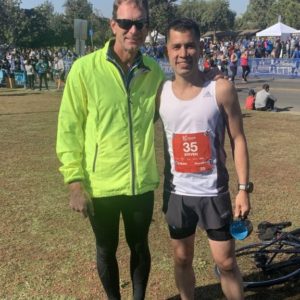
Photo credit: Paul Nelson

3 Bests – What aspects of the California International Marathon did you like the most?

1. The DEEP field of talented runners to help pull me along in packs along with the camaraderie that came with it. Many of us were going for big PRs, some even for OTQs, so we were running fast but running together too. Some runners even offered to share their bottles with the pack.
2. The awesome fanfare and volunteers along the course – some groups got LOUD. Several strangers even gave me shoutouts of “go rabbit!” as I was wearing my rabbitELITE singlet.
3. Just how everyone really laid it all out there on the line, taking some chances and giving it their all to pursue their big marathon goals.

Not so much – What aspects of the California International Marathon didn’t do it for you?

Because this event had 12,000 participants, it was tough to even find my peers/friends after the finish – the crowds gathered up quickly! It would’ve been fun to share some more stories afterward with several people that I knew who were competing.

The post-race food options felt pretty minimal overall and unsatisfying – except for one thing: the cups of hot chicken broth!

Weird factor – What’s the weirdest thing about the California International Marathon?

Perhaps the high amount of carnage over the last 6-8 miles of the race. All for a very valid and brave reasoning, many were going all-in to snag the OTQ of 2:19, and this event was nearly the last chance before the Marathon Trials in late February. Guys were dropping left and right, jogging, cramping, or walking; I’ve never seen such a battlefield out there before. I felt like my training wasn’t quite where it needed to be in order to hold that kind of pace for 26.2 miles but wanted to run as fast as I could, so I was stoked to run to a big PR. Perhaps another time down the road, I will take more of a gamble.

Highlights of your race – What did you do well and enjoy about your race in particular?

-Pacing: I locked into 5:26-5:34 pace for 24 of the 26 miles.
-Focus/Patience: Completely focused, yet calm and basically, in the complete zone. Clicking away one mile at a time. I was able to move up from 153rd at the half marathon point to 99th place in the end. Passing each person was giving me more and more confidence and momentum to help get over those last 6 miles, which is always a tough challenge.
-Running with a pack / Drafting: I found a great pack of the same 5 guys to run with from about Mile 6 through 18, and this helped even more for me to stay so focused. Some sections were a bit windy, so drafting within this pack also helped me save a ton of energy.
-Nutrition: I took a gel about every 5 miles, so carried 5 gels in my pockets. Three of them had caffeine, so alternated between caffeine and a non-caffeine gel. Never had any cramping issues (until after the finish line!).

Lessons for others – Share your pro-tips on the California International Marathon to help the next runner

Put in plenty of faster, road training work in the training leading up to California International Marathon. I did several mile repeat workouts on the roads, as well as long run workouts and long progression runs, ranging from 17-20 miles total. If you don’t have a strong climbing background, then be sure to include some hill work/repetitions and even some easy hilly runs into your weekly training as well.
Shout out to my coach, Max King, who had me feeling well prepared by race day!

Most important course specific knowledge to know about the California International Marathon?

-Not a huge deal but there several road sections with pretty big potholes or cracks/bumps in the pavement, so just something to be cognizant of as you’re racing.
-Very minimal turns, so that was nice to keep a nice, steady rhythm along the course.
-The first half seemed to have bigger hills, so just be aware to not pound those downhills too hard too early, or you may suffer a lot more over the 2nd flatter half of the course.

Aesthetics – Is it a pretty course?

Not particularly. In several sections that were fairly standard commercial streets. However, there were some pleasant, residential streets early on and later into the race with nice tree foliage. I was personally exceptionally focused on racing and hitting a specific pace more than usual, so I really wasn’t paying too much attention to my surroundings to begin with except for the packs/competition around me!

Difficulty – Is the California International Marathon a tough course?

Coming from my recent background of mountain and ultra races, I’m more biased to say no, but it does have some decent rolling hills that don’t look like much at first glance when checking the course profile. Despite the rollers, I felt it was the easiest marathon course I’ve ever run.

Organized and well run – Did it feel like a well-oiled machine or were they flying by the seat of their pants?

From the bus shuttles, the expo (with security machines!), and pre-race communication, they did an excellent job. The one blemish was probably the drop bag situation. It was fairly chaotic just trying to drop it off with the hordes of people. Then picking it up after the race took longer than expected but really not a huge deal to me in the end.

Competition – Is there a strong field at the California International Marathon?

The depth of competition is likely the deepest in the United States – deeper than even Chicago and Boston Marathon. When a 2:24 barely got me into the top 100, you know it’s stack and with a $12,000 prize purse for the winners, highly competitive runners will travel from all over the place to compete here. The race featured a ton of “dream chasers” to try run the OTQ Marathon standards of 2:19 for the men and 2:45 for the women.

Logistics – Does the California International Marathon require a special handshake, registration a year in advance, hotels all booked? Give us the low down on the nuts and bolts of making the race happen.

Registration usually sells out in early September, so definitely something you want on your radar well in advance. I think hotels book up very fast as well but there were plenty of great AirBNB options in the few weeks leading up to the race.

The biggest thing to plan ahead for is making sure to figure out which shuttle bus (5 locations to choose from) to take to the start line – New for this year, they no longer allowed runners to be dropped off near the start area.

Aid Stations – Standard fare or anything special to know about the aid stations in terms of what’s available or when?

There were a whopping 17 aid stations! So an aid station less than every 2 miles on average. Each aid station had volunteers handing out cups of Nuun Endurance first (Mango Citrus), followed by the next wave of volunteers handing out cups of water. Four of the aid stations also handed out Clif Shots and Clif Bars.

Weather and typical race conditions?

I believe this year was in the low 50s and overcast for the majority of the race. There were a couple of miles of misty showers but that actually felt refreshing. Usually ideal for marathon racing!

Gear – Did you need anything special or is there anything you’d recommend for the next guy?

Just fast racing shoes, shorts with pockets (to stash my gels) and a watch! I also recommend light racing gloves – at least for me, it helps regulate my body temperature.
If you don’t want to fuel with Clif Shots, then I could easily see a minimal waist belt could be very handy as well to carry the nutrition that you know works best for you.

Spectators – Is the California International Marathon a friendly course for your friends?

Since it’s a point-to-point course, friends could come out to support you but likely limited to 1-2 stops along the course (besides the finish area in downtown). I’d imagine parking is a bit tricky downtown with some street closures and the 12,000 participants, so they’d need to plan well ahead.

How’s the Swag?

Standard – a long sleeve tech shirt, a plastic water bottle and a hefty medal! Oh, and a very thin finisher jacket at the finish line to help keep your body temperature warm. It was badly needed this year since the race org got behind on getting everyone’s drop bag back to them in a timely fashion. This was a major issue that they publicly apologized and acknowledged, mentioning it will be improved for next year.

The Overall Score – How many stars do you give this race and do you recommend that others run it?

5 out of 5 stars – It’s an awesome opportunity to run a PR and an extremely deep field of runners to help pull you along for a faster day.

Keith Laverty is a coach with Team RunRun. To learn more about him or to work with Coach Keith, check out his coaching page.

Planning for the California International Marathon? Get more info and race reviews from our CIM intel page!

CIM Marathon Race Report – Phil C

Runner Phil C reviews the CIM Marathon (2019) in this race report, including what you should know about the hills before you run it.

Race: California International Marathon

Runner: Phil C

Race Date: 12/08/2019

Location: Sacramento, CA

Results: 3:40:00

Strava Activity Link: https://www.strava.com/activities/2920475800/overview

cim marathon phil c

3 Bests – What aspects of the CIM Marathon did you like the most?

Convenient shuttle bus from Sacramento (finish) to Folsom (start) on race morning.

Well stocked aid stations.

More porta potties than I’ve ever seen at a marathon.

Not so much – What aspects of the CIM didn’t do it for you?

Due to construction at the host hotel, the expo was relocated to an arena about 7 miles from downtown. The race organizers provided shuttles but it was still not super convenient. I think the expo will be back to the regular location in 2020.

Weird factor – What’s the weirdest thing about the CIM Marathon?

Nothing particular but our shuttle bus did drive under the Johnny Cash bridge on the way to the start.

Highlights of your race – What did you do well and enjoy about your race in particular?

I really enjoyed all the training leading up to the race. Race day was just the icing on the cake! My goal was 3:45 and I ended up at 3:40 so that is definitely a highlight!

Lessons for others – Share your pro-tips on the CIM Marathon to help the next runner

The race is a point to point from Folsom to Sacramento. If you stay in Folsom, you cannot get near the start line due to security. You have to take a shuttle bus from one of several points in Folsom. Once the shuttle arrives, you have to leave the bus. On the other hand, if you are staying in Sacramento you can ride a bus to Folsom and stay onboard until 15 minutes before race start. It was nice to have a warm, dry spot to rest and relax before the race.

Lessons you learned that will help you next time around

Like normal, I put out all my clothes and gear the night before the race. I also wrote myself a super detailed script of everything I needed to do on race morning. I had my best pre-race night of sleep ever. I’ll do the detailed script for every race in the future.

Most important course specific knowledge to know about the CIM Marathon?

CIM bills itself as a net downhill course and the fastest course on the West Coast. The net downhill is true but if you look at Strava results from prior races, there is over 700 feet of climbing during the race. Fortunately, I learned this from Julie Urbanski’s race report and incorporated adequate hill training prior to the race.

Aesthetics – Is it a pretty course?

I have no idea. I ran with complete tunnel vision.

Difficulty – Is it a tough course?

Be prepared for the rolling hills.

Organized and well run – Did it feel like a well-oiled machine or were they flying by the seat of their pants?

I had no issues with the organization. I didn’t use the bag drop but I heard lots of complaints about long delays getting bags returned at the finish.

Competition – Is there a strong field?

More than 100 runners had times below the Olympic Trials Qualifying Standard. This is a popular race for people trying to qualify for Boston. The race has good competitive energy regardless of your pace.

Logistics – Does it require a special handshake, registration a year in advance, hotels all booked? Give us the low down on the nuts and bolts of making the race happen.

Nothing difficult about registration but hotels near the finish line in Sacramento book up fast.

Aid Stations – Standard fare or anything special to know about the aid stations in terms of what’s available or when?

Every two miles. This year they had water and NUUN Endurance. There were Clif Bars and Shots every five miles.

Weather and typical race conditions

Typically this race has start temperatures in the low 40’s with finish temperatures in the mid 50’s. This year there was a big threat of rain leading up to the race. A big storm front rolled through the night before the rain. It was wet at the start but I only encountered a very slight shower around mile 11.

Gear – Did you need anything special or is there anything you’d recommend for the next guy?

Nothing special needed.

Spectators – Is this a friendly course for your friends?

There weren’t many spectators the first half of the race but I started seeing many more the closer we got to Sacramento. Friends would most likely have to pick a single spot to see their runner. Due to the point to point nature and route, it would be a challenge to connect more than once.

How’s the Swag?

Nice long sleeved technical shirt, water bottle, mini Clif bars and NUUN samples.

The Overall Score – How many stars do you give this race and do you recommend that others run it?

I’d give it five stars and would recommend it.

Planning for the California International Marathon? Get more info and race reviews from our CIM intel page!

rio del lago 100 ultra race report

Rio Del Lago 100 Race Report – Alan R

In this Rio Del Lago 100 Race Report, runner Alan shares his experience of the endurance run, including which aid stations to skip!

“Everything worked – from my training provided by Team RunRun coach Maxx Antush, to fuel and tempo that allowed me to stay in a zone where I could use more fat as fuel to prolong top performance, to skipping certain aid stations to make up time and bypassing one drop bag altogether, to being able to push through pain of an injury that caused me to walk the last 26 miles of last year’s Rio and finish fast and stronger this year.”

Rio Del Lago 100 Race Report

Race: Rio Del Lago 100

Runner: Alan R

Race Date: 11/02/2019

Location: Folsom, CA

Results: OA: 42 of 244; AG: 2

Strava Activity Link: https://strava.app.link/WEcGSVJ0B1

rio del lago 100 race report

3 Bests – What aspects of the Rio Del Lago 100 race did you like the most?

The Rio Del Lago 100 race is incredibly well organized and supported, and I have been impressed both times I have run Rio. The SWAG is ‘up there’ with the best, and the finish is really well done.

Not so much – What aspects of the Rio Del Lago 100 race didn’t work for you?

Course markings in a couple of places that were minimal and pivotal in missing turns and adding miles. I have no other complaints.

Weird factor – What’s the weirdest thing about the Rio Del Lago 100?

More deceptive than weird – that one can conservatively run the comparatively short leg of 18 miles of pavement from the race start and your legs still feel trashed by mile 25.

Highlights of your race – What did you do well and enjoy about your race in particular?

This was a serious goal race for me six weeks after Tahoe 200, and I was able to execute almost flawlessly to finish way below my ultimate goal time of my first sub-24 hr finish. Everything worked – from my training provided by Team RunRun coach Maxx Antush, to fuel and tempo that allowed me to stay in a zone where I could use more fat as fuel to prolong top performance, to skipping certain aid stations to make up time and bypassing one drop bag altogether, to being able to push through pain of an injury that caused me to walk the last 26 miles of last year’s Rio Del Lago 100 and finish fast and stronger this year.

Lessons for others – Share your pro-tips on the Rio Del Lago 100 to help the next runner

You can skip the first aid station for better time if you carry water, as it will still be cold and dark. If you utilize the aid stations properly you may be able to skip some drop bag stops. Study the menu before you start; know the course. You can plan for the first 18 miles of pavement to run the race differently – I used different shoes up front. Be present. No, honestly, pay attention. 22 hours – or 29 hours = is a long time to stay focused. I missed two turns because I was in my head.

Lessons you learned that will help you next time around

Remember the turns around the town of Cool to avoid adding miles! Also that I am capable of way more than I thought possible : )

Most important course specific knowledge to know about the Rio Del Lago 100

After hwy 49 aid, there is a hard right that is poorly marked. It may be intentional because the same scenario played out for me last year. Also, don’t cross the highway again when you’re on your way to No Hands Bridge #2. Be sure to head hard left. Missing one ribbon on the far left side was all it took to add 5 miles. Well, that and being pig headed and not turning around sooner. Stubborn can be an endurance runner’s blessing and curse.

Aesthetics – Is it a pretty course?

The first 18 miles of the Rio Del Lago 100 wrap around the bottom of Folsom Lake, before tracing East along the water and up into the Sierra foot hills. You’ll run fire roads and sweet single track along part of the Western States trail, which is some of the most scenic and well maintained trail out there. Fall colors will be green and brown, which are home to native Californian’s.

Difficulty – Is it a tough course?

The course is as difficult as you want to make it. Running the pavement faster up front – if you’re a regular human – can provide sore legs early in the race and a “what was I thinking” mantra later on. The elevation gain is advertised as 8100′, but every runner I talked to about gain said their watch recorded more than ten. Goat Hill is advertised as a roughly 20% grade climb, but if you’re a climber, it’s short and sweet. If not, be patient and breathe deep for a welcomed change in tempo. If you want to really challenge yourself, you can add miles – and elevation –  by being an idiot and missing turns. At least I’m honest about this!

Organized and well run – Did it feel like a well-oiled machine or were they flying by the seat of their pants?

Spot on in every way. Well supported aid stations, fully stocked, and a great finish line experience can make it all seem easy as you make your way through aid and to the finish. Great menu at the finish.

Competition – Is there a strong field?

With runners coming in at 16+ hours the last two years, I would say there are fast people trying to get after PRs, which can kill your Ultrasignup percentage. This is a Western States qualifier.

Logistics – Does it require a special handshake, registration a year in advance, hotels all booked? Give us the low down on the nuts and bolts of making the race happen.

Registration is easy, and the race rarely fills up more than a month out from race day. I recommend staying at Lake Natoma Inn, which is close by, clean and quiet, and they offer a race discount. I’ve never been let down there.

Aid Stations – Standard fare or anything special to know about the aid stations in terms of what’s available or when?

They had everything but chicken noodle soup; drat. Apparently the vegetarians had a fit about no veggie broth last year so this year it was all veggie broth. I instead relied on cheese quesadillas for a good source of fat to fuel my fire, although the veggie broth was a good change once in a while.

Weather and typical race conditions

Two years ago, there was light rain for most of the race. Last year and this year were perfect running weather. Not too warm during the day, and high 40’s at night.

Gear – Did you need anything special or is there anything you’d recommend for the next guy?

Lighter fabrics for running. I wore a heavier shirt this year to avoid a second layer and chafed my nipples for the first time ever!

Spectators – Is this a friendly course for your friends?

Super friendly for spectators. Overlook at miles 44 and 74 is a great way to see your runner at their best and maybe their worst.

How’s the Swag?

Great: Shirt, Nike jacket, pint glass, metal tumbler, medal and buckle if you push through to finish – and a couple of gels. They handed out the small reusable cups that are becoming mandatory at bib pick up, so bonus. There may have been something else.

The Overall Score – Do you recommend that others run it?

This is a local favorite and a last minute qualifier if you miss your goal race qualifier due to injury like I did this year, so very convenient. I hadn’t run the Rio del Lago 100 until last year, and have found I really enjoy it. This is a good first hundred and a good proving ground if you’re fast, and well worth the entry fee.

Prepping for a race? Here is a coach-approved checklist for preparing mentally and physically!

two cities marathon race report

Two Cities Marathon Race Report – Steven B

Race: Two Cities Marathon

Runner: Steven B

Race Date: 11/03/2019

Location: Fresno, CA

Results: 3:02:22

two cities marathon race report

3 Bests – What aspects of the race did you like the most?

  • Great support from community
  • Good weather
  • Tons of fun

Not so much – Aspects of the race that didn’t do it for you

Narrow running lanes that merge into half marathon runners.

Highlights of your race – What did you do well and enjoy about your race in particular?

First marathon, I’m happy to be able to finish with a great time and have a base for myself. Crossed the finish line with no injuries and a smile.

Lessons for others – Share your pro-tips on the race to help the next runner

Pacing yourself consistently throughout a long race is definitely a lesson for me.

Lessons you learned that will help you next time around

Pay more attention to my pacing during each mile.

Most important course specific knowledge to know about the race

Just have fun and run.

Aesthetics – Is it a pretty course?

Yes.

Difficulty – Is it a tough course?

Moderate.

Organized and well run – Did it feel like a well-oiled machine or were they flying by the seat of their pants?

Yes well organized.

Competition – Is there a strong field?

Somewhat.

Logistics – Does it require a special handshake, registration a year in advance, hotels all booked? Give us the low down on the nuts and bolts of making the race happen.

No.

Aid Stations – Standard fare or anything special to know about the aid stations in terms of what’s available or when?

Fair – about a station stations every 3-4 miles.

Weather and typical race conditions

Cool throughout.

Gear – Did you need anything special or is there anything you’d recommend for the next guy?

Just bring gels to bring.

Spectators – Is this a friendly course for your friends?

Yes.

How’s the Swag?

Nice.

The Overall Score – How many stars do you give this race and do you recommend that others run it?

5/5

two cities marathon race report

cuyamaca 100k ultra race report

Cuyamaca 100k Race Report – Stephanie G

Race: Cuyamaca 100k

Runner: Stephanie G

Race Date: 10/05/2019

Location: Julian, CA (about 40 miles east of San Diego)

Results: 13:18, 4th female, 25th overall

Strava Activity Link: https://www.strava.com/activities/2768005227

cuyamaca 100k ultra race report

3 Bests – What aspects of the race did you like the most?

  • The logistics were easy and low stress
  • Having an indoor (warm) area to hang out in afterwards
  • The first half of the course

Not so much – Aspects of the race that didn’t do it for you

Not the fault of the race – but driving to the race, Google maps led me down a road for 15 minutes that ended up dead-ending instead of going to the starting area. I think the road probably used to go through, but it doesn’t currently. I was really glad I had left early! Be careful when you follow the directions to the start area.

Weird factor – What’s the weirdest thing about this race?

Nothing really weird – except that somehow aid station volunteers filled my bottles up twice (in a row) with Tailwind when I asked for water, which I didn’t find out about until I was back out running. I haven’t used Tailwind so I was a little nervous about that, and it’s definitely not as good to pour on your head.

Highlights of your race – What did you do well and enjoy about your race in particular?

I had a really strong first half where I felt in control and everything felt easy. The miles absolutely flew by and I couldn’t believe it when I was done with the first 50k.

Lessons for others – Share your pro-tips on the race to help the next runner

  • It gets warm out there! There’s a ton of trail that’s very fun and runnable, and there are a decent number of rocks (my toenails were more sore than any other part of my body in the days after).
  • The beginning gets quite backed up, with the trail narrowing to single track really quickly, followed by a creek crossing that can get a bit time consuming if you are behind a bunch of people. Keep that in mind when deciding where you want to start. It’s pretty hard to pass people the first 4 miles or so, but easy the rest of the race.
  • Loop 2 is the hardest section with what felt like the most climbing.
  • Though the heat sticks in my mind the most, the morning was surprisingly cold. I was in a Houdini, with the hood up, for the first 4 miles. I finished a little before 8pm and may have wanted a jacket if I had been out there much longer.

Most important course specific knowledge to know about the race

The course is made up of three loops that all start/finish at Camp Cuyamaca. The first loop is 32 miles, so a nice mental boost when you’re done with half the race by the time you’re done with the first loop. The biggest factor for me was how warm it got as the day went on. There were also a couple of spots with slightly confusing course markings.

Aesthetics – Is it a pretty course?

Yes – desert-like, but with trees as well.

Difficulty – Is the Cuyamaca 100k a tough course?

I’d say it’s probably moderate.

Organized and well run – Did it feel like a well-oiled machine or were they flying by the seat of their pants?

It was well run.

Competition – Is there a strong field?

Medium – most runners were local from San Diego.

Logistics – Does it require a special handshake, registration a year in advance, hotels all booked? Give us the low down on the nuts and bolts of making the race happen.

It does sell out quickly so register early. You can camp at the start or there are Airbnbs nearby in Julian (and maybe other towns). Julian is about 30 minutes away.

Aid Stations – Standard fare or anything special to know about the aid stations in terms of what’s available or when?

Pretty standard fare, although seriously lacking in grapes! 🙂

Weather and typical race conditions

Sunny and warm! Low 80s maybe?

Gear – Did you need anything special or is there anything you’d recommend for the next guy?

Nothing special necessary.

Spectators – Is this a friendly course for your friends?

If they hang out at Camp Cuyamaca they could see you as you came in from each loop. I’m not sure how long it would have taken to drive to another aid station.

How’s the Cuyamaca 100k Swag?

A shirt, medal, reusable cup

The Overall Score – How many stars do you give this race and do you recommend that others run it?

I’d say 4 out of 5. It was a nice race – no big “wow” factor but well-organized and a good atmosphere. The majority of the runners seemed to know each other from a San Diego running group which created a friendly environment.

Looking at running your first ultra? Check out our 7 steps towards running your first ultra!

san jose rock n roll half marathon race report

San Jose Rock ‘n’ Roll HM Race Report – Steven B

Race: San Jose Rock ‘n’ Roll Half Marathon

Runner: Steven B

Race Date: 10/06/2019

Location: San Jose, CA

Results: 1:23:50

san jose rock n roll half marathon race report

3 Bests – What aspects of the race did you like the most?

Fast course, plenty of people to run with and nice weather.

Weird factor – What’s the weirdest thing about this race?

It went by fast.

Highlights of your race – What did you do well and enjoy about your race in particular?

I had a huge PR from 1:35:42 back in February to a 1:23:50 today.
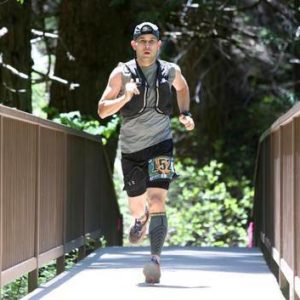
Lessons for others – Share your pro-tips on the race to help the next runner

Pace yourself, as my first 5 miles were too fast, I found myself alone looking for people to run with to pace myself with.

Lessons you learned that will help you next time around

Go out easier pace.

Most important course specific knowledge to know about the race

Course is really laid out.

Aesthetics – Is it a pretty course?

Great scenery.

Difficulty – Is it a tough course?

No.

Organized and well run – Did it feel like a well-oiled machine or were they flying by the seat of their pants?

Was highly well organized, you can’t get lost.

Competition – Is there a strong field?

Very – a lot of elite runners out there.

Logistics – Does it require a special handshake, registration a year in advance, hotels all booked? Give us the low down on the nuts and bolts of making the race happen.

I recommend a hotel if you don’t live near by and the parking garage is super convenient that’s next to the race.

Aid Stations – Standard fare or anything special to know about the aid stations in terms of what’s available or when?

They are marked well what they have (water, Gatorade, Gels).

Weather and typical race conditions

Sunny but cool.

Gear – Did you need anything special or is there anything you’d recommend for the next guy?

Your shoes.

Spectators – Is this a friendly course for your friends?

Yes.

How’s the Swag?

It’s ok.

The Overall Score – How many stars do you give this race and do you recommend that others run it?

10/10

san jose rock n roll half marathon race report

tahoe 200 mile endurance run

Tahoe 200 Mile Endurance Run Race Report – Alan R

Race: Tahoe 200 Mile Endurance Run

Runner: Alan R

Race Date: 09/13/2019

Location: Around Lake Tahoe, California

Results: 90th place out of 240

tahoe 200 mile endurance run

3 Bests – What aspects of the race did you like the most?

The ability to learn – about myself, about how gear and strategies can be tested and changed on the fly, and the unpredictability of the Sierra Nevada mountains. And the people. I swear – every single person we came in contact with over those 4 days was kind, generous and real; the people were all awesome.

Not so much – Aspects of the race that didn’t do it for you

One aid station in particular that doesn’t get what runners need to eat on multi-day events; I don’t think they run. The rest of the race is pure beauty.

Weird factor – What’s the weirdest thing about this race?

This would apply to any multi-day event: the ability of the human body to adapt and repair itself over time while in nearly continuous motion. By day 3, our legs were less sore and by the final hours on the monstrous final 3,000 foot climb my legs were not only unfatigued, but the climb was effortless, as if it were any small hill. Last year our bodies dealt with shoulder pain from packs and poles in the same way – by day two we felt much better.

Highlights of your race – What did you do well and enjoy about your race in particular?

My wife and I vowed to learn to work on our own feet this year and avoid the sometimes lengthy wait for medical attention when hot spots start. This was the first time in any race 100 or longer where my feet were almost fine at the finish and I did not tear them open in one way or another – brilliant! Proper training to run with pack and poles (using a 10 lb weight vest) eliminated any soreness regardless of how much gear and food I carried. Also, redundancy: our backup and our backup to our backup lithium ion reserve batteries failed in the cold temps, and because we carried 3rd reserve lead-acid back up batteries for our headlamps we were not trapped in the freezing high country waiting for another runner when everything else failed, which could have been very dangerous on night four. Awesome!

Lessons for others – Share your pro-tips on the race to help the next runner

See some of my comments above, but also carry more food or pack more food in your drop bags than you think you’ll need. It was only one aid station that appeared to lack choices for a tender stomach, but it prompted us to take every food item we packed to get us through the following 18 mile section – couldn’t have made it without our fave calories!

Lessons you learned that will help you next time around

My experience with feet; avoiding all caffeine for the first 24 hours to get more out of caffeine later in the race, as well as allow a better possibility of sleep, if for only 30 minutes, the first night – AND to avoid that raw mouth and tongue from caffeine and gels; that you are always capable of more than you expect – especially when hypothermic and chased by rain and snow! Eat enough! It sounds silly, but the body will give you a million reasons to not eat, and all that will do is slow you down.

Most important course specific knowledge to know about the race

Snow in mid-September happens semi-regularly in Tahoe and you should expect it – RD Candice made a declaration after this year’s race that past suggested winter gear will be mandatory going forward. Also dust – the dust is insane and will be a factor. Train the terrain! If not in Tahoe, then high country SOMEWHERE, because although you won’t be above 9000 feet consistently, almost all effort will be at or above 6200 feet.

Aesthetics – Is it a pretty course?

My wife pointed this out to me: the East side of the lake, comprised of the Tahoe Rim Trail is some of the most beautiful, soft and satisfying singletrack anywhere, especially the area of Snow Valley Peak, my favorite. The entire course is either in forest or with views.

Difficulty – Is it a tough course?

So, last year the course was run clockwise, which left you a section called the Rubicon for last: an OHV area where you tackle 4 wheel drive tracks of boulders and dust and avoid crazy vehicles – which makes for a pretty exciting experience. My wife said that going through there in the dark was some of the hardest terrain she has every tackled. But this year we ran counter clockwise, and the Rubicon was up front, which fatigued us more in the first 100k, but the last 50k was absolutely exhausting from rain and snow and cold and a ridiculous 3,000 foot final climb. My point here is that the entire course can be extremely difficult, and should not be taken for granted. This year there were 240 starters and 149 runners finished, so a roughly 60% finish rate.

Organized and well run – Did it feel like a well-oiled machine or were they flying by the seat of their pants?

Candice does a great job managing this and Bigfoot 200, and MOAB 240 – she is probably one of the better RDs I have run under. Some aid stations never let you lift a finger, others require you to focus, but they all pretty much have what you need. The trails are extremely well marked, and except for uptight, wealthy home owners in Incline Village that tend to remove course ribbons along an easy section of road, you will appreciate the arrows and ribbons. This year part of the course was also run by 100k-ers, which made things funny and interesting. And the pre-race stuff and the finish line are perfect – no complaints!

Competition – Is there a strong field?

Crazy, strong and amazing endurance athletes, with Courtney Dauwalter dueling with a crazy fast runner for first place last year, and this year Taylor Spike boldly predicted a sub 50 hour finish, which is record territory. Yes, really competitive, but also a race run by everyday people who are simply trained up and looking for adventure.

Logistics – Does it require a special handshake, registration a year in advance, hotels all booked? Give us the low down on the nuts and bolts of making the race happen.

The race sells out now, so jump on it if you want it. It is expensive to feed us hungry runners and pull all of the permits, so be prepared. But it is an experience worth every effort and every dollar. We found a hotel in Tahoe City, 9 miles away, 5 weeks before the race, but book ahead anyway!

Aid Stations – Standard fare or anything special to know about the aid stations in terms of what’s available or when?

Not enough chicken noodle soup up front, but they served us a huge variety of choices. We did not go hungry!
Weather and typical race conditions
As previously stated, it can snow in September, and you should be prepared – Iron Man Lake Tahoe had similar snow conditions in 2013, Last year the weather was perfect. This year the temps really plummeted. You never know.

Gear – Did you need anything special or is there anything you’d recommend for the next guy?

Water proof shell and gloves – I wouldn’t go back without ‘em. I may not need them next time but….

Spectators – Is this a friendly course for your friends?

Lots of chances for spectators with a race that tracks the circumference of the Tahoe basin.

How’s the Swag?

We have gotten new drop bags the last two years, and the shirt this year is awesome, also, a reusable race cup with the T200 logo and a nice mug. Last year there was a sticker and another item, but permitting costs jumped this year. I have no complaints!

The Overall Score – How many stars do you give this race and do you recommend that others run it?

So this is a special experience. My wife and I run this as therapy of sorts, for incredibly deep and real and raw quality time. If you’re up for a race of this distance, Tahoe 200 can be anything you want it to be – all out race adventure, gear and theory proving grounds, sight-seeing tour of Lake Tahoe, second honeymoon. I give it 5 stars for the adventure. If we didn’t work the aid station at Sierra at Tahoe this next year, we would run it in 2020 ????

tahoe 200 mile endurance run

tahoe 100k ultra race report

Tahoe 100k Race Report – Andrew K

Race: Tahoe 100k

Runner: Andrew K

Race Date: 09/14/2019

Location: Lake Tahoe, CA

Results: 12th OA, 1st AG http://ultrasignup.com/results_event.aspx?did=61893#id395043

Strava Activity Link: https://www.strava.com/activities/2709342899

tahoe 100k ultra race report

3 Bests – What aspects of the race did you like the most?

1. Course – This runs mostly along the Tahoe Rim Trail and you get to see straddle the Nevada/California ridge line. To the east you see flat, high desert plateau of Nevada, West is forests of California. It has vert but nothing brutal, just challenging over the course of the full 100K. Long downhills make it runnable in sections. Going through a pass at 9.7K feet was great.
2. Tahoe 200 weekend – Lots happening and running the opposite direction of the 200 milers you get a great sense of ultras, high fives, seeing pacers with runners on Day 2. Big aid stations etc.
3. Running into the early evening is great. Brings on the adventure of having headlamps etc.

Not so much – Aspects of the race that didn’t do it for you

I didn’t like having to drive to the finish to get a bus to the start so early. It’s a fairly new race and communications were a bit sparse.
Aid stations were spread out to make some far apart (15miles) while others were short (7 miles).
Drop bag strategy wasn’t tight. I finished at 7pm and they told me if I wanted my drop bag from mile 45, I’d need to wait until midnight even though that aid station closed. It’s on the small side so I get that they are short handed.
BATTERIES! I didn’t change my headlamp batteries and it cost me. I had to run the final 2 miles with my phone flashlight. DUH.

Weird factor – What’s the weirdest thing about this race?

Nothing weird.

Highlights of your race – What did you do well and enjoy about your race in particular?

1. Nutrition. Since you share aid stations with the Tahoe 200, you can really afford to pack less, rely on the stations.
2. This was my first 100K, so I was still learning to run v race it. I just stayed steady, not pushing too hard but constant. I’m happy with 12th, and in retrospect, my pit stops cost me about 5 places but just not rushing. That’s okay, now I know.
3. Mental. Anything over a 50K for me is about Fitness, Nutrition and Mental all working in concert. The siege mentality if a real thing and just hanging in there. I didn’t use any headphones, music, etc for 13 hours. Just me, my mind and the trail. It was great.

Lessons for others – Share your pro-tips on the race to help the next runner

1. Aid station strategy. Figure out your plan and drop bags, especially if you are faster. You’ll possibly have to wait at the finish.
2. Miles 20-35 of the course were the long climbs, exposed in the sun. Bring a hat. There were streams and a lake so you should stop for the 60 sec, dunk your head in and keep going to cool down.
3. I stayed in South Lake and flew into Sacramento. Reno is closer for flights. I’d still stay in South Lake given the amenities and central nature to the course.

Lessons you learned that will help you next time around

1. Bring fresh batteries for the headlamp. 🙂
2. It was dusty/hot that day. I drank 7 Liters of water. Sipping constantly was key if you aren’t from a hotter climate.
3. Sun block. I didn’t use it and my shoulders paid the price.
4. Cold start but once the sun pops up, it gets hot quick. Once the sun goes behind the mountains, temps drop and it gets dark in the forest fast.

Most important course specific knowledge to know about the race

The course is really 3 climbs in the first 35 miles. They are long, never super steep but the length makes it hard. The downhills are very runnable. Miles 40-53 were really nice, long, gradual downhills. The whole course is mostly singletrack.

Aesthetics – Is it a pretty course?

Yes. You see Alpine forest, ridgelines, lakes, streams.

Difficulty – Is it a tough course?

I’d give it a 3 of 5 on hard. I found White River 50m harder in vert.

Organized and well run – Did it feel like a well-oiled machine or were they flying by the seat of their pants?

It’s run by Destination Trail and they know what they are doing BUT it’s a new course AND since the Tahoe 200 is going on at the same time and the premier event, you feel a bit like plan B for them.

Competition – Is there a strong field?

Well…I didn’t win, so yes? Just kidding. The winner weren’t pros but were solid runners who beat the field by hour plus.

Logistics – Does it require a special handshake, registration a year in advance, hotels all booked? Give us the low down on the nuts and bolts of making the race happen.

I registered 2 weeks before on the deadline. South Lake Tahoe has a variety of hotels, Airbnb, etc so I had no problems. Flights to Reno are more expensive with less carriers but Sacramento is just as easy but 45min more to drive. South Lake also is a fully stocked mountain town geared towards winter and summer activity so lots of grocery, outdoor stores, Patagonia store, etc.

Aid Stations – Standard fare or anything special to know about the aid stations in terms of what’s available or when?

Standard stuff. Full gels, water, Tailwind, Oreos, fruit, PB&J, etc. Veggie options. Miles 35 onwards cooked items like quesadillas etc.

Weather and typical race conditions

Hot and dry CA summer. But the day after we ran, it snowed.

Gear – Did you need anything special or is there anything you’d recommend for the next guy?

Recommend good headlamp, running vest with enough to carry 1L, I had a 2L bladder. You can download the course via CalTopo for your watch.

Spectators – Is this a friendly course for your friends?

You cross two roads which make good ‘hi there’ points and all the aid stations had cars. The website tells you directions to each and their ‘rules’.

How’s the Swag?

Finisher medal is wooden so that is cool. T-shirt was fine (wearable logo & color). They sold more stuff at the end.

The Overall Score – How many stars do you give this race and do you recommend that others run it?

I still give this a 4.5 of 5. The course is well marked, really nice. The atmosphere of a 200miler is great and all the volunteers were great. Lake Tahoe as a late summer vacation spot also is great and lets you do anything you want.

tahoe 100k ultra race report

Two Cities Marathon Race Info

Date: 11/3/2019

Location: Clovis, CA

Start Time: 6:30am

Avg Temps (f): 71/47

Time Limit: 6.5 hours

Lessons Learned from Race Reports

  • Well-run, organized race and course – lots of positive reviews about the swag, the course organization and markings
  • Scenery and crowd support is a little sparse at times
  • Not a completely flat course, some rollers along the way, but still a fairly fast course
  • With it being a smaller race and starting the earliest, crowds aren’t much of an issue at the start
  • Some out and back portions, so you can see who’s ahead and behind you
  • Several races going on simultaneously, with runners and walkers, but for the most part, not an issue to have enough running space

Course

Type: Mainly out and back course

Start/Finish Info: Both in Clovis, CA

Hills: Minimal – biggest hill is ~50ft in gain from mile 21.5-22

Course Map/Elevation Profile

Aid stations

Locations of water and electrolyte stations: See course map

Electrolyte offered: Gu energy gels and Nuun electrolyte drink

Spectator access

Access Locations: See Spectator info

Boston qualifier?

Yes

Race reports

https://www.bibrave.com/races/two-cities-marathon-reviews#.XXFrBOhKg2w

http://www.runningruminations.com/2016/11/13/2016-two-cities-marathon-race-report/

Strava links

https://www.strava.com/activities/1946285128

Race Website

http://www.twocitiesmarathon.com/

kodiak 100 race report

Kodiak 100 Race Report – Chris B

Race: Kodiak 100

Runner: Chris B

Race Date: 8/16/19

Race Location: Big Bear CA

The night started well, focusing on a conservative pace. Fast hiking over running.

When I got to mile 25 AS, I was tired negotiating the canyons (3k feet descent over 2 miles followed by 3k feet climb over 2 miles – yeah it was brutal) but in good spirits.

When I left that AS, I was unprepared for the cold and it completely wrecked me (I learned later the temps dropped down to 32 degrees, from a daytime high of 94 degrees. I forgot we were above 8000 feet). My pace slowed to a crawl. My night was really rough. When the sun came up, I felt like I had nothing left in the tank. I focused on fixing this by eating as much as possible and it worked. Place ranking went from 147th to 129th. I was chasing the cutoff but dropping was never an option.

I was determined to get to Mile 55 AS but got increasingly tired and begin doubting myself. I kept moving and was still passing runners slower than me. I was disappointed when I missed the cutoff at that AS. By 15 minutes.

Before I forget, hallucinations. Big time. “People” in trees calling my name. It freaked the hell out of me.

At point, my goal was to make it to mile 65 AS. At least. I am incredibly grateful to those who sacrificed their time and energy to look out for me this weekend. I hope to return the favor soon. I know I’ll get finish a hundred mile very soon. Obviously I have no problem with 50 milers 🙂 and I don’t want to lose my current level of fitness.

Things I learned: I I have become better at recognizing my highs and my lows. It’s really not as scary as it used to be 🙂 Lastly, my heat training paid off tremendously. The heat of the day had runners dropping like flies. I wasn’t impacted in the least. I did it right this time.

Pictures from the day:

kodiak 100 race report
My fiancee helps me with my bib…small safety pins vs big fingers
kodiak 100 race report
My buddy Marcus to crew me and my fiancee
kodiak 100 race report
At the starting line
kodiak 100 race report
Mile 6 AS. Sun’s going down so I refill my bottles and grab my headlamp (members of Civil Air Patrol were our volunteers!). I wouldn’t see my crew until mile 25 AS!
kodiak 100 race report
Mile 55 AS with my fiancee Kendra and race photographer Howie Stern.
kodiak 100 race report
Mile 55 AS with the whole gang: Marcus, Kendra and my pacer Andrea (2 times Western States and UTMB finisher)
sar trail half marathon race report

SAR Trail Half Marathon Race Report – Steven B

Race: SAR Trail Half Marathon

Runner: Steven B

Race Date: 08/11/2019

Location: Shaver Lake, CA

Results: 8th overall/ 5th age group

sar trail half marathon race report
Photo: Juan loera

3 Bests – What aspects of the race did you like the most?

The view of the lake and the amazing scenery along the trail

Not so much – Aspects of the race that didn’t do it for you

Nothing disappointed about this trail

Weird factor – What’s the weirdest thing about this race?

The first two miles went by fast then mile 3 was gut check uphill

Highlights of your race – What did you do well and enjoy about your race in particular?

The uphills I was able to keep moving when others started walking

Lessons for others – Share your pro-tips on the race to help the next runner

Can’t really pace yourself but you can definitely keep your effort about the same throughout thanks to my training from my coach

Lessons you learned that will help you next time around

Work on elevation training and hill training

Most important course specific knowledge to know about the race

Keep moving

Aesthetics – Is it a pretty course?

Very

Difficulty – Is it a tough course?

Semi

Organized and well run – Did it feel like a well-oiled machine or were they flying by the seat of their pants?

Well organized

Competition – Is there a strong field?

Strong competition, kept me focused throughout

Logistics – Does it require a special handshake, registration a year in advance, hotels all booked? Give us the low down on the nuts and bolts of making the race happen.

No special needs for this, maybe the bus shuttle if you don’t get VIP parking

Aid Stations – Standard fare or anything special to know about the aid stations in terms of what’s available or when?

Aid stations are well placed and managed

Weather and typical race conditions

Perfect

Gear – Did you need anything special or is there anything you’d recommend for the next guy?

My shoes and hat that’s about it besides my shorts and shirt of course

Spectators – Is this a friendly course for your friends?

Only at the finish

How’s the Swag?

It’s okay

The Overall Score – How many stars do you give this race and do you recommend that others run it?

Give it a 8/10

sar trail half marathon race report
Photo: Juan loera
badwater 135 race report

Badwater 135 Race Report – Steven K

Race: Badwater 135

Runner: Steven K

Race Date: 07/15/2019

Location: Death Valley National Park (Furnace Creek, CA to Lone Pine, CA)

Results: 20th overall, 17th Male, 6th M50-59

Strava Activity Link: https://www.strava.com/activities/2545537777

badwater 135 race report
Photo: Will Thomas

3 Bests – What aspects of the race did you like the most?

  1. The vibe and culture of Badwater is what brings people back.
  2. I love the desert landscape and terrain.
  3. Challenging yourself in the heat.

Not so much – Aspects of the race that didn’t do it for you

  1. 135 miles of asphalt.
  2. Walking! There is lots of walking.
  3. Trying to rest and stay out of the sun all day before the night start.

Weird factor – What’s the weirdest thing about this race?

You run from the lowest point of North America, Badwater Basin (-282’) to Whitney Portal (8,300’). The race use to end at the summit of Mt. Whitney, the highest peak in lower 48 (14, 505’). The history of Badwater race and Basin is fascinating.

Highlights of your race – What did you do well and enjoy about your race in particular?

I feel like I handled the heat well (good heat training and UV protection during the race). My crew did a great job at keeping me iced down (ice in arm sleeves and bandana), fed and hydrated. Matt’s excellent training program allowed me to still be running 9:00/9:30 min/miles 115 miles into the race.

Lessons for others – Share your pro-tips on the race to help the next runner

  1. Do your heat training!!
  2. Practice power-hiking on 15% grade (treadmill).
  3. Do NOT blow up your quads on the first major descent (3,400’ over 8 miles) from Towne Pass (mile 60) to Panamint Springs (mile 72). Check out the course profile.
  4. The course is NOT flat! There is 15,000’ of gain (8,000’ descent) over three mountain passes.

Lessons you learned that will help you next time around

I took too many breaks and for too long (which wasn’t my plan). I could have easily shaved off 1 to 1.5 hrs off my time. Since your crew stops for you about every 3-miles it’s easy to get sucked into the van to take a break or change something. I yo-yoed with several veterans of the race. I found that there were two types of runners; the tortoise and the hare. You have the slow and steady who take very few breaks but just keep chugging along. And you have the speedy who tend to go further faster but take more/longer breaks. I was the hare and as we know the hare doesn’t always win! I found myself yo-yoing with several racers. There was an older woman (I forget her name) that I kept passing but would take breaks to change or get something from the van. And sure enough almost every time I stopped she would just be cruising along and pass the van. I don’t know if I every saw her stop! I also yo-yoed with Danny Westergaard (a 12x veteran of Badwater) quite a bit and he too was just a never stop machine!!

Most important course specific knowledge to know about the race

This is NOT a flat course! Towne Pass to Panamint Spring (60 – 72) won’t necessarily “make” your race but it can definitely “break” your race. The 3,400’ descent over 9 miles (10% grade) can blow out your quads if you aren’t careful. Try and run loose and let gravity do it’s thing. This section is what scared me the most about this race. I feel like I did pretty well through this section. I tried to stop about every mile and walk a little. As you descend into the Panamint (dry) Lake Bed you can feel the heat ratcheting backup. The 3-mile trek across the desert (dry lake bed) is a scorcher as the temp. rockets back up above 110F+. Panamint Spring is a welcome oasis to refuel (with real food). This is the last opportunity (for 50 miles) for your crew to restock up on ice, fuel and food. It’s also a great place to grab a pizza. 🙂

Aesthetics – Is it a pretty course?

If you like desert landscape you will love Badwater (Death Valley National Park). During the day you are treated to incredible desert and mountain landscape. At night you have a full moon but can still see stars forever.

Difficulty – Is it a tough course?

Badwater is billed as the “Worlds Toughest foot race”. Well 135 miles on asphalt and 110F+ temperatures is tough! There is no denying that. But Matt did such a great job at preparing me for this race and I had a veteran crew supporting me. I didn’t find it as challenging as I was expecting. I was expecting to be a wreck at the end dragging myself across the finish line but I felt great (relatively speaking).

Organized and well run – Did it feel like a well-oiled machine or were they flying by the seat of their pants?

This was Chris Kostman 20th year RDing the Badwater 135 (it been an official race since 1987). He has had 20 years to workout any major bugs and I would say that this is a very well run race. Especially, for how many logistics are required to prepare for this race. Chris posts numerous Facebook Live informative videos and you will receive about 8 to 12 (important) emails leading up to the event.

Competition – Is there a strong field?

This is a very competitive event. You must apply to prove that you can handle this race. Badwater has a fairly high finishing rate (typically in the 80%+) because they only select athletes who they are sure “can” finish. Only 100 runners are selected each year (out of a 1000+). Of those 100, 1/3 are international, ½ are veterans and ½ are newbies. This year both the men’s and women’s course records were broken. Yoshihiko Ishikawa from Japan finished in 21:33 (1st overall). Patrycja Bereznowska from Poland finished in 24:13 (2nd overall).

Logistics – Does it require a special handshake, registration a year in advance, hotels all booked? Give us the low down on the nuts and bolts of making the race happen.

There is no secret handshake to get in but you do have to prove you have the merit to toe the line. They have a list of “recommended” races (HURT100, Hardrock 100, Wasatch 100, etc) to prove your stuff but they also like solo badass stuff like running the Wonderland trail in one push or other crazy extreme adventures. It is also recommended (and works in your favor) if you have crewed on a Badwater team. They want to make sure you know what you are getting yourself into. The application is a feat in itself. I spent probably 8 hrs completing the application. The application process opens up in January and selection start mid February.

COST: This is not a cheap race! Most racers spend between $5,000 to $10,000 on lodging, entry fee, van, flight & supplies/equipment. Not only is this race physically demanding it is also economically demanding on your wallet. So if you choose to take on this race you better be ready to go all-in and give it your full attention/commitment or else you are going to piss away a lot of money!

Aid Stations – Standard fare or anything special to know about the aid stations in terms of what’s available or when?

NONE! Your van & crew are your mobile aid station. Many racers rent a van in Las Vegas (or LA) and stop at the Walmart in Pahrump for supplies. I spent almost $800 on coolers, equipment and food for me and my crew. There are four places (Furnace Creek, Stovepipe Wells, Panamint Springs & Lone Pine) to resupply on ice and get some limited supplies/food during the race.

Weather and typical race conditions

Dry, sunny and HOT!! Day time temps usually range from 115F to 125F+ and night time temps range from 85F to 105F. Last year (2018) temps (day or night) never dropped below 100F. So do your heat training.

Gear – Did you need anything special or is there anything you’d recommend for the next guy?

Light weight and light colored clothes. Hat with neck drape, UV arm & calf sleeves, bandana that holds ice. Several sizes of shoes because your feet are going to swell and they might melt (seriously).

Spectators – Is this a friendly course for your friends?

This is NOT a spectator friendly course. Because of all the National Park restrictions it is HIGHLY encouraged to only have spectators at the end of the race in Lone Pine or Whitney Portal.

How’s the Swag?

The swag is ok. You get a Badwater t-shirt and hat (and goody bag) at check-in and a “finishers” shirt and buckle if/when you finish. You really don’t get much for your $1495 entry fee!!

The Overall Score – How many stars do you give this race and do you recommend that others run it?

I would give this a 5 out of 5 stars. The vibe and culture alone I give 5 start. I also give it 5 start (out of 5) on the challenging conditions and history.

badwater 135 race report

Holcomb Valley 50k Race Report – Chris B

Race: Holcomb Valley 50K

Runner: Chris B

Race Date: 06/15/2019

Location: Big Bear, California

Results: DNF

Lessons for others – Share your pro-tips on the race to help the next runner

Do not underestimate the importance of rest. I had worked an average of 14 hours per day the week prior to the race. I showed up that day exhausted. It is a wonder I made it this far.

Difficulty – Is it a tough course?

Very tough. The last ten miles are uphill and completely exposed.

Organized and well run – Did it feel like a well-oiled machine or were they flying by the seat of their pants?

Very well run. Volunteers and Search And Rescue volunteers were present at every aid station.

Competition – Is there a strong field?

Very strong field.

Logistics – Does it require a special handshake, registration a year in advance, hotels all booked? Give us the low down on the nuts and bolts of making the race happen.

33 miles cost $90. It is very affordable.

Aid Stations – Standard fare or anything special to know about the aid stations in terms of what’s available or when?

Well stocked, sweet and savory snacks aplenty.

Weather and typical race conditions

Hot and dry.

Spectators – Is this a friendly course for your friends?

Not exactly. The course is at a remote location in the mountains of Southern California.

double dipsea race report

Double Dipsea Race Report – Mimi P

double dipsea race report

Race: Double Dipsea

Runner: Mimi P

Race Date: 06/15/2019

Location: Stinson Beach, CA

Results: 3:32:48 Official Time

Strava Activity Link: https://www.strava.com/activities/2453025627

3 Bests – What aspects of the race did you like the most?

  1. The setting for Double Dipsea is beautiful! The Pacific Ocean on one side, eucalyptus-scented Muir woods on the other.
  2. History – My husband, his sister and I have done the race together now four times.
  3. Iconic Race – The 50th running of the Double Dipsea was something we just couldn’t pass up!

Not so much – Aspects of the race that didn’t do it for you

This race is so hard, but, see 3 bests above …

Weird factor – What’s the weirdest thing about this race?

Definitely the handicapping system is weird! Your actual time, and your handicap time are two entirely-different things! I don’t really understand it all.

Highlights of your race – What did you do well and enjoy about your race in particular?

This was by FAR my best outcome at this race!! Kudos to coach Tyler Sprague!! My first year, my time was just shy of 4:45. The second year, I DNF’d – #broken toe; year 3 I was pretty proud of my 4:06 time! I blew it out of the water this year after being coached for the first time in my life! I really couldn’t even believe it was happening, but when I reached the turn around at Mill Valley in 1:42, 18 minutes ahead of last year’s time, I knew I was in for a big PR! My actual time finish of 3:32 was almost 15 minutes ahead of what I had hoped and dreamed might be my time!

Lessons for others – Share your pro-tips on the race to help the next runner

This is not a race for the timid. It’s hard. No question. If you don’t want to get your ass kicked, sign up for a different race!

Lessons you learned that will help you next time around

Trust my coach! 🙂

Most important course specific knowledge to know about the race

It’s not really about the race, but there’s a LOT of poison oak along the trail! Wear as much coverage as you can bear on your legs if you react to poison oak. Change clothes. Wash your clothes. Use Tru-Tech (I think I spelled that correctly) to wash off afterwards!

Aesthetics – Is it a pretty course?

Gorgeous!!! The Pacific Ocean. Muir Woods. Stinson Beach.

Difficulty – Is it a tough course?

Very!! At least I think so!! 4500′ of elevation gain and loss (closer to 4,100 by my Garmin) in 13.7 miles. It’ll definitely get your attention and keep your quads and calves in high alert for a few days afterwards.

Organized and well run – Did it feel like a well-oiled machine or were they flying by the seat of their pants?

Very well run and organized. Brazen Racing does a great job!

Competition – Is there a strong field?

I’m probably not the best person to say. I “think” so. Alex Varner was a top finisher this year.

Logistics – Does it require a special handshake, registration a year in advance, hotels all booked? Give us the low down on the nuts and bolts of making the race happen.

Registration is limited to a couple of days, and I believe it sells out quickly, but if you get in once, you’re golden! We stay with family in the Bay Area, so I can’t offer much comment on other logistics.

Aid Stations – Standard fare or anything special to know about the aid stations in terms of what’s available or when?

Great aid stations. #cocacola Great volunteers, and almost always a few fun fans out on the course offering encouragement just where you need it most. One year, a trail angel on Cardiac with much-needed water on a hot day!!

Weather and typical race conditions

No typical — it’s the Bay Area. Nice and cool, foggy and even a little rain this year with a high in low 60’s probably. Some years it’s hot and sunny and smokin hot!

Gear – Did you need anything special or is there anything you’d recommend for the next guy?

Gators. Poison Oak scrub for afterwards. Hydration vest and a little fuel on board for in between aid stations if you need it to get up one of the hills or sets of stairs.

Spectators – Is this a friendly course for your friends?

It’s a lot of single track, but there are some road crossings, and the trails are all open to the public.

How’s the Swag?

Good stuff! Again, Brazen Racing does a great job. Nice finisher’s medals and a patch. The tech shirts come in mens’ and womens’ sizes and cuts. They’re a little gaudy usually, but a gaudy you’re very proud to wear! 🙂

The Overall Score – How many stars do you give this race and do you recommend that others run it?

10 out of 10

double dipsea race report

shadow of the giants 50k

Shadow of the Giants 50k

Race: Shadow of the Giants 50k

Runner: Steven B

Race Date: 06/08/2019

Location: Fish camp, CA

Results: 5:02:53

shadow of the giants 50k
Photo: Ploen Photo

3 Bests – What aspects of the race did you like the most?

Scenery, community and people

Not so much – Aspects of the race that didn’t do it for you

Nothing

Weird factor – What’s the weirdest thing about this race?

Crossing a creek at mile 10

Highlights of your race – What did you do well and enjoy about your race in particular?

I kept moving the entirely of the race for my first 50k, it highlighted important things for me to work on in the future, and better management of my water

Lessons for others – Share your pro-tips on the race to help the next runner

Hydrate, trail shoes and expect to have fun

Lessons you learned that will help you next time around

Better water management towards the end, mile 23-25 I ran out.

Most important course specific knowledge to know about the race

Be prepared to for some elevation climbing

Aesthetics – Is it a pretty course?

Very

Difficulty – Is it a tough course?

For a first time yes,

Organized and well run – Did it feel like a well-oiled machine or were they flying by the seat of their pants?

Very well organized

Competition – Is there a strong field?

Yes

Logistics – Does it require a special handshake, registration a year in advance, hotels all booked? Give us the low down on the nuts and bolts of making the race happen.

Race sold out this year I would recommend signing up 6 months prior, they have cabins available to stay at the night prior for $35 with food.

Aid Stations – Standard fare or anything special to know about the aid stations in terms of what’s available or when?

6 of them.

Weather and typical race conditions

Was nice and cool and wasn’t hot

Gear – Did you need anything special or is there anything you’d recommend for the next guy?

Hydration vest I would recommend

Spectators – Is this a friendly course for your friends?

At the end

How’s the Swag?

Yes

The Overall Score – How many stars do you give this race and do you recommend that others run it?

All of them

Running with the Bears Marathon Race Info

Date: 8/17/2019

Location: Greenville, CA

Start Time: 6:30am

Avg Temps (f): 88/46

Time Limit: None, but cannot provide course support after 1:30pm

Lessons Learned from Race Reports

  • Huge temperature swing from the early morning to afternoon temps. Race offers to keep your warm clothes at the start
  • Course is deemed flat on the website but the long gradual hill from mile 7-17 can wear you down
  • Small town race – be prepared to run alone since it’s not a huge race full of runners and spectators
  • Course is mainly country roads where you can see quite far and chance of exposure is high – be prepared with sunglasses and a hat and for the heat, as exposed courses heat up quickly! Also a mental challenge to run on country roads since you can see so far ahead of you
  • With temperatures warming up to 80s during the day, have a strategy for keeping cool

Course

Type: Lollipop

Start/Finish Info: Located in the lollipop part of the course, so you start on the loop, do an out and back, then finish the loop at the start/finish.

Hills: Mainly flat course on pavement, with the main hill being ~175ft in gain from mile 7-17

Course Map/Elevation

Aid stations

Located approximately every 2-4 miles throughout all courses and are stocked with water, specialty hydration drinks, snacks, dog treats, and first-aid kits.

Spectator access

Nothing mentioned on the site, but likely hard to see runners because of limited places to park along the roads.

Boston qualifier?

Yes

Race reports

http://www.marathonguide.com/races/racedetails.cfm?MIDD=4911180818

Race Website

https://www.runningwiththebears.org/

bishop 100k race report

Bishop High Sierra 100k Race Report – Alan R

Race: Bishop High Sierra 100k

Runner: Alan R

Race Date: 06/01/2019

Location: Start/finish at Mill Pond recreation area, Bishop California

Results: 7th OA, 2nd AG

Strava Activity Link: https://strava.app.link/d4FUree6gX

bishop 100k race report

3 Bests – What aspects of the race did you like the most?

Requiring a drive north or south on beautiful 395 along the Eastern Sierras, it is a beautiful place of extremes – desert, the high Sierras, weather and elevation. It is remote and beautiful with stunning views not far from the highest and lowest points in the lower 48. Add that Bishop Ultras is a smaller event and really low-key, with all proceeds benefiting Eastern Sierra SAR serving Mt. Whitney and surrounding areas, along with eastern Sierra youth outdoor opportunities for kids who have never seen the wilderness, and you feel good doing what you love by racing whichever distance you choose – 6k, 20 mile, 50k, 50 mile or 100k. And it ain’t easy. With a mile of gain from the start to the top of the first out-and-back, and 20+ miles at or above 8000 feet and a top out at 9500, sea level runners will find more than enough challenge.

Not so much – Aspects of the race that didn’t do it for you

I was there for the challenge after racing there last year, so I knew what to expect. The only disappointment was no chicken noodle soup at a higher altitude aid station after enjoying it last year. It was cold and I used hot soup as my carrot to push hard to that turn around. Kinda nit-picky, I know. And that’s it. I have no other complaints.

Weird factor – What’s the weirdest thing about this race?

My old friend number 7. I took 7th at Bishop 100k last year in a smaller field, and when I realized I had fought to follow last year’s number 5 guy to 7th place this year, I was able to hold the line despite watching 20 hungry racers pass me in pursuit on the final OAB, which was a thrill and a challenge. This was after a 7th place finish at Diablo 50k two weeks before. That’s just WEIRD.

Highlights of your race – What did you do well and enjoy about your race in particular?

I was able to hold the line for a good finish through smart race day decisions and planning from prior experience, and I gave this race everything in order to not give up my position, through to the finish.

Lessons for others – Share your pro-tips on the race to help the next runner

Be ready for an adventure. Take nothing for granted. Take calculated risks, do your homework on the course – where does altitude top out? How long can my calves sustain a running descent? How hot is the desert? How much discomfort do I want to put up with to finish? This last question is especially relevant, as 100k runners are faced with a decision at mile 50 if not committed: a sharp left turn from tungsten aid will get you a couple more thousand feet of climb in the late afternoon heat as you make your way to a silly sticker at the turn around to prove you were there. Or, you can drop down to the 50 mile and jog to the finish. But where’s the fun in taking the easier road out?

Lessons you learned that will help you next time around

That I am capable of more than I expect. When I realized my position in the last 12 miles and committed, I was able to push unrelentingly to a good finish.

Most important course specific knowledge to know about the race

Starting at 4400 feet in elevation, you have to be prepared to deal with altitude whether you are acclimated or not. Some runners use Bishop as altitude training for other races like a training run. Bishop can be whatever you want.

bishop 100k race report

Aesthetics – Is it a pretty course?

The desert is incredibly beautiful but the heat can wear you down . This race takes you up toward the snow and higher elevations, and the transition is subtle but noticeable. The contrast between the two is quite amazing. Snow capped peaks, streams and a lake or two, it is mostly exposed, but you are just surrounded by beauty.

Difficulty – Is it a tough course?

This is a tough course for above listed reasons. The weather this year was a bit extreme, so although we saw temps 20 degrees lower than last year, it was still about 90 on the way to the finish. Add that we had lightning, a drenching rain and hail, and I saw that some who did not plan for adverse conditions suffered. Mostly Jeep roads, there are multiple stream crossings, snow fields, and again altitude, all making the race an experience to remember.

Organized and well run – Did it feel like a well-oiled machine or were they flying by the seat of their pants?

Definitely professionally organized and volunteered. The folks at Edison aid, which we hit 3 times, braved lightning, rain, wind and hail to provide me what I needed to get through the higher elevation stuff. Everyone was awesome.

Competition – Is there a strong field?

The race was on hiatus for 3 years until RD Todd Vogel brought it back last year. This year provided a deeper field of about 50 100k athletes, which made it interesting and forced me to focus instead of taking my time to hang out at aid and talk with other runners. I expect next year to be a little more competitive still as the race again becomes more widely known.

Logistics – Does it require a special handshake, registration a year in advance, hotels all booked? Give us the low down on the nuts and bolts of making the race happen.

Time. Take the time to get there and experience Bishop Ultras, which again is a bit out of the way. There are hotels in town, and all amenities, with Bishop being a huge outdoor- focused place not far from Death Valley and MT Whitney. I chose to stay at Brown’s Mill Pond campground again, located only a couple hundred yards from the race start – an awesome way to set the stage for the adventure, and an easy walk from the finish. Brown’s is comfortable and reasonably quiet, with hot showers and shade and a snow-fed stream that bisects the campground to provide cooler temps and the sound of water. The place was full of runners, allowing me to get to know some extraordinary people, like #4 Luke from Colorado and #5 and first female Maia from Las Vegas. As for registration, the RD accepted late entries until Tuesday before the race, which makes it easier to scramble last minute if you need to race a narrow window or race last minute; I dropped Miwok this year due to injury and gladly instead registered for Bishop 100k again.

Aid Stations – Standard fare or anything special to know about the aid stations in terms of what’s available or when?

Everything I needed. No chicken noodle soup this time, but I will be sure to change that if I can.

Weather and typical race conditions

Last year, we had temps above 100 that really tested runners. This year we had heat at lower elevations, but also hail and lightning with high wind up top – not your typical June weather. But in higher altitudes, anything can happen – be prepared for any and all conditions.

Gear – Did you need anything special or is there anything you’d recommend for the next guy?

I did two things differently this year, including using my poles to help me up at higher elevations, which really improved my pace, and I studied the forecast and finally bought a water proof layer, which totally made a difference at the higher elevations.

Spectators – Is this a friendly course for your friends?

The start/finish at Mill Pond Recreation Area is easy, with everything you need including a lake for the kids to swim in if it is HOT. If you camp nearby, it is easy to enjoy seeing your racer start and finish, and the race actually starts and finishes running through the campground. If you want to drive on rough Jeep roads with water crossings, you can see your racer pretty much everywhere. For the diehard fans.

How’s the Swag?

Each year the RD offers a really well made, quality commemorative mug, which is really nice; I drink coffee each morning, so I appreciate a well made mug. A good shirt, and a fired and glazed ceramic medal – not a cheap, casted metal-medal, also make the swag more unique. This race fundraises for two non-profits though, so maybe your swag is a race fee tax write-off (I don’t even know if you can do that, check with your tax professional LOL). Or, maybe it’s the deep satisfaction of helping disadvantaged kids and working really, really hard to finish a really tough event that will test your experience and will power and give you a deep sense of personal satisfaction. Whatever it is, just take your pick – and I’ll see you there in 2020.

The Overall Score – How many stars do you give this race and do you recommend that others run it?

I just give this thing 5 out of 5. If you love extremes and the thrill of a challenge, this race is for you.

bishop 100k race report
The road to higher ground
bishop 100k race report
Race morning brilliance
bishop 100k race report
Between thunderstorms day before the race
bishop 100k race report
Road to another state of mind
bishop 100k race report
Brewing rain clouds
bishop 100k race report
Morning in the desert
bishop 100k race report
Mid-race hail
bishop 100k race report
Edison Aid Station
bishop 100k race report
RD Todd Vogel setting the stage
bishop 100k race report
Out and Back stickers
bishop 100k race report
Higher ground from the campground
bishop 100k race report
Brown’s Mill Pond Campground
born to run race

Born to Run Race Report – Jill D

Race: Born to Run

Runner: Jill D

Race Date: 05/18/2019

Location: Los Olivos, CA

Results: 50k

born to run race

3 Bests – What aspects of the race did you like the most?

1)Views during the run
2) No rules when you start; you restraints when to finish. This was perfect for me since I had a 24 hour stomach virus. It allowed me to complete my 50k in 2 days.
3) The community was supportive; Camping out and other activities to entertain your crew/friends.

Not so much – Aspects of the race that didn’t do it for you

1) Not much trail, mainly dirt roads.
2) Consist of 2 loops. One is flat and the other was hilly

Weird factor – What’s the weirdest thing about this race?

1) Beer mile everyday before each event starts

Highlights of your race – What did you do well and enjoy about your race in particular?

1) This was a training run for me, which was great environment b/c there were all skill levels there.

Lessons you learned that will help you next time around

Stay clear of the dance floor the night before your run. 😉

Aesthetics – Is it a pretty course?

The views were breath taking. While running you look off into the distance with rolling hills over looking vineyards, then the next turn you’ll run into a cow, deer, or snake.

Difficulty – Is it a tough course?

It was a easy course.

Organized and well run – Did it feel like a well-oiled machine or were they flying by the seat of their pants?

This event was well organized and ran well.

Competition – Is there a strong field?

There were a strong group of runners; however, no one was really serious about podium.

Logistics – Does it require a special handshake, registration a year in advance, hotels all booked? Give us the low down on the nuts and bolts of making the race happen.

People are allowed to enter the property on Tuesday. 4 day race starts on Wednesday. I recommend getting there early to pick a great place to camp/park you R.V.

Aid Stations – Standard fare or anything special to know about the aid stations in terms of what’s available or when?

Each loop (10 miles/loop) you run into 3 aid stations. They had a great spread of food that worked for vegans or meat eaters. My favorite is hot food straight from the griddle.

Weather and typical race conditions

It was in the 70’s everyday with cloud cover and wind on the backside. It did rain Saturday night and Sunday.

Gear – Did you need anything special or is there anything you’d recommend for the next guy?

Sun exposure is legit on this course. Bring a sense of adventure for not a typical race environment.

Spectators – Is this a friendly course for your friends?

Very friendly course to friends. Even if you are not running, people can hike/run with their puppers. This event is kid friendly. A lot of families attended.

How’s the Swag?

I received a shirt for 30 miler, 60 miler, 100 miler. The 0.0 received a hat. The medallion, hand crafted necklace was the finishers “medal”.

The Overall Score – How many stars do you give this race and do you recommend that others run it?

Totally recommend this race; however, you must be ready to go there to have fun and not take racing so seriously.

born to run race report

mt diablo 50k

Mt. Diablo 50k Race Report – Alan R

Race: Mt. Diablo 50k

Runner: Alan R

Race Date: 05/18/2019

Location: Clayton, California

Results: 7th OA, 1st AG

Strava Activity Link: https://strava.app.link/g7GRRsKfUW

mt diablo 50k
Photo: Riley Reynolds

3 Bests – What aspects of the race did you like the most?

So this race requires a strong work ethic due to the amount of elevation gain over 31 miles, which was billed as 10,500. That I could come back from injury to grind out over 10k feet was a feel-good eye opener: if you have something to prove, MT. Diablo is the place. Add the stunning vistas of the East Bay Area from 3,700 feet up and an old-school feel without a big production, and the race really lends a sense of intimacy.

Not so much – Aspects of the race that didn’t do it for you

Every race is hard – or should be. I took the adverse conditions in stride, and so when springtime poison oak leans into the trail, or tourists require you to slow down, that’s all part of the process. Some may be put off. As far as the race support and crew, they did an amazing job despite adverse weather.

Weird factor – What’s the weirdest thing about this race?

Number 7 is my weird factor: I took seventh place this past Saturday, 6 years after I last raced on that mountain…and took 7th place. Add to that the number 6 guy is good friends with a Strava friend of mine – no clue who he was before I chased this guy for a couple of hours. Small world.

Highlights of your race – What did you do well and enjoy about your race in particular?

I executed well. It was difficult, but I stuck to my plan and it paid off. I had no idea prior to race start that I could even finish, after batting a chronic injury for 5 months and a big DNF mountain race last September that insidiously seeded sprouts of doubt, but as I warmed up – and then responded to another guy in my AG sneaking up on me on the first climb, and leaned into it, I was able to slowly move up to chase number 6, whom I finished after by only a minute. So close..

Lessons for others – Share your pro-tips on the race to help the next runner

Have fun and remember that you are capable of more than you expect. I am a joker out there, always clowning, and I find that it both dissipates my own tension and causes others to be more complacent, allowing me to surprise them when I lean into it and take off. Some people are all business and don’t want to chat. My conversations are my way of blowing off steam, hearing people’s stories, and moving ahead in races if at all possible.

Lessons you learned that will help you next time around

Don’t leap 5 feet across an eroded channel to get around a tourist after you have climbed 8000 feet unless you want your hamstring to protest by locking up and threatening DNF.

Most important course specific knowledge to know about the race

Be ready to work hard and enjoy the relatively small, bifurcated field – meaning there will be people who underestimate the difficulty and people you’ll never catch – unless you’re Ian Sharman, who set the course record there in ‘14.

Aesthetics – Is it a pretty course?

Stunning views there. If you look south and slightly east on a clear day, you will see the concord fault and it’s associated land deformation of the surrounding landscape. San Francisco to the west, and Mt. Tam to the northwest. And the bay. Definitely worth a visit to climb that mountain if you’re in the area.

Difficulty – Is it a tough course?

Since that first race, I have always said that if I have questions, Mt. Diablo will have answers. If you’re a lean-into-it trail runner, you’ll appreciate the difficulty of the terrain as well as the well maintained trails.

Organized and well run – Did it feel like a well-oiled machine or were they flying by the seat of their pants?

The RD works hard, and offers chip timing and decent swag, which is notable because the week before, my wife ran Quicksilver 100k and there was no way to follow the race, which was frustrating. The volunteers worked hard, and it really showed.

Competition – Is there a strong field?

Smaller field, but at the race start everyone raised their hand when the RD asked if everyone had run an ultra. I think that spoke volumes.

Logistics – Does it require a special handshake, registration a year in advance, hotels all booked? Give us the low down on the nuts and bolts of making the race happen.

Just register and show up. Pacific Coast Trail Runs is a smaller outfit, and their races are smaller and more accessible. Hotels are relatively close by and there is a Sports Basement on the road out to the mountain, which has a good selection of trail running basics.

Aid Stations – Standard fare or anything special to know about the aid stations in terms of what’s available or when?

Food is not slung out into bowls for runners to cross contaminate each other with, but instead pb&j, chips, electrolyte, snacks, fruit – all are there, but not set out in mass quantities. It was a nice change.

Weather and typical race conditions

Usually hot, it started raining by mile 20 and made for crazy mud and leaning walls of vegetation this year – very Atypical year.

Gear – Did you need anything special or is there anything you’d recommend for the next guy?

Come prepared for steep and technical terrain.

Spectators – Is this a friendly course for your friends?

Not especially good for spectators. 3 OAB loops brought us back to the start after a course change, so I got to see my daughter 3 times – but I had to come to HER.

How’s the Swag?

Nice shirt, great wood medals and coasters, which are way nicer than the usual mass produced junk.

The Overall Score – How many stars do you give this race and do you recommend that others run it?

I would rate the Mt. Diablo race at 4 of 5 stars. They accommodated a blind runner at a shorter distance (there is a 10k, a half, and a marathon as well), as well as a 9 and 13 year old, and the cut offs are commensurate to the challenge. Come run Diablo and be pleasantly surprised.

avenue of the giants race report

Avenue of the Giants Marathon Race Report – Meg Gayman

Race: Avenue of the Giants Marathon

Runner: Meg Gayman

Race Date: 05/05/2019

Location: Humboldt Redwoods State Park, CA

Results: For me: 3:11:51 the field: https://raceday.enmotive.com/#/events/2019-avenue-of-the-giants-marathon

Strava Activity Link: https://www.strava.com/activities/2345244810

avenue of the giants marathon race report

3 Bests – What aspects of the race did you like the most?

  1. The weather was amazing, and it was one of the main reasons I chose this race. It’s typically perfect conditions, a cool start in the 50s. With the giant tree cover, sun exposure is minimal and the temperature stays pretty consistent within the trees. I needed a good weather marathon and this fit the bill.
  2. The course is beautiful. With the curvy roads and rolling hills through the redwoods, you are just surrounded in serene beauty. It makes you feel lucky to be a runner out there enjoying the open road.
  3. Great community feel. It’s not frilly, it’s not huge, and there’s so much heart put into this race. The number of cheers I received from other runners on the out and backs was so sweet and encouraging.

Not so much – Aspects of the race that didn’t do it for you

  • There’s one area of road in the second half of the course that’s banked. It doesn’t last for too long but it threw me off a bit.
  • I suggest calling out what you want at aid stations. Some of the boy scouts weren’t saying what they had in their hand and so I missed one of my cups.
  • The timing company took a while to get the results done correctly. I clearly knew what place I was in but the timing company had me as the 9th place woman for a while.

Weird factor – What’s the weirdest thing about this race?

Maybe not exactly weird, but a bit unusual in that no headphones are allowed/very strongly discouraged and you will be disqualified from any award if you wear them.

Highlights of your race – What did you do well and enjoy about your race in particular?

This was a big comeback for me, after getting injured over the summer and needing to skip the Houston Marathon this race was a test to my recovery. I trained really well and went in with confidence and with plenty of hill training in my legs. I stayed positive through the entire race and worked my way to a 10 min PR. This race was quiet and I had to remain focused to be motivated when it got tough in the second half. It was nice to see my competition around the bends. That gave me some opportunities to close in until my legs gave out in mile 25. Overall it was a mental win and a good measure of my current ability.

Lessons for others – Share your pro-tips on the race to help the next runner

Think of this marathon in quarters, the first out and back is slightly uphill, the second is downhill. Then you get to the second out and back where you merge with the half marathoners and 10k runners, the third quarter has a bit of a bank on part of the road and it looks like you’re going downhill even though it’s mostly flat. The 4th has a hill that’s not that big but feels horrible in mile 25. Be careful on that second quarter to not take it too fast and pay for it in the last quarter.

Also an FYI – The road for the first half used to have very bad potholes, but it’s been repaved and is smooth as butter now.

Lessons you learned that will help you next time around

I would be more careful about tangents. I was not thinking clearly and crossed the road to keep a straight line but on an out and back course, I shouldn’t have crossed the middle (I think? I’m still not totally understanding this tangent thing, all I know is that I’m pretty sure I ran an extra half mile on this curvy course).

I’ll also be careful about not going out too fast, I wanted even splits and ended up with an almost 4 min positive split.

I might save my energy a bit more with my own encouragement to other runners, while it was really fun to cheer back to folks who were cheering for me, I may have gotten a bit distracted with that while going for a PR.

Aesthetics – Is it a pretty course?

This course is gorgeous, can’t beat running a road marathon covered by majestic redwoods.

Difficulty – Is it a tough course?

It’s not too difficult and it’s not too easy. There is elevation that will catch up to you, but you don’t notice it too much until the end.

Organized and well run – Did it feel like a well-oiled machine or were they flying by the seat of their pants?

They’ve been running this race for 40 years, it’s a small operation but they manage it very well. It seems that they know their limits of entry and respect it to keep the race small and manageable.

Competition – Is there a strong field?

For women, it depends on who shows up. For the last few years, you needed to be sub 3 to take home the win, (and the $1000 prize money). This year 1st and 2nd place were sub 3. I came in 5th place with 3:11:51.

Logistics – Does it require a special handshake, registration a year in advance, hotels all booked? Give us the low down on the nuts and bolts of making the race happen.

I don’t know about lodging since I stayed with friends, but make sure to leave enough time to get to the race location. It’s kind of in the middle of nowhere, it takes over 4 hours to drive from Sacramento or San Francisco to the area so plan your drives accordingly.

Aid Stations – Standard fare or anything special to know about the aid stations in terms of what’s available or when?

Standard fare water and Gatorade, some bananas and oranges too, about every two miles and they have great signs that tell you when to expect the aid station. They give out Gu’s at the halfway point before you go under the overpass.

Weather and typical race conditions

Typically close to perfect weather conditions. I hear it can get humid

Spectators – Is this a friendly course for your friends?

Not really spectator friendly. It’s good to have folks cheering at the halfway spot but it’s hard to get out onto any other parts of the course because the roads are closed. It’s an out and back and you merge with the half and 10kers so race participants are kind of your spectators. So many were friendly and encouraging, so it’s not like you’re out in the middle of nowhere alone for too long.

How’s the Swag?

Not bad! A magnet, t-shirt, medal. I got a second gold-colored medal for getting first in my age group, along with a wine glass and a beer! Also good to know is that there’s a taco truck at the end, a nice amenity for post-race noms.

The Overall Score – How many stars do you give this race and do you recommend that others run it?

Definitely a 5-star race and worth putting on your list.

Meg Gayman is a coach with Team RunRun. To learn more about her or to work with Coach Meg, check out her coaching page.

avenue of the giants race report
Photo: Yoon Kim