Fragrance Lake 10k Race Report

Fragrance Lake 10k Race Report

In this Fragrance Lake 10k Race Report Coach Paul Sage shares his insights and tips on how to race this awesome course so that you can be your best on race day! Enjoy!

Race: Fragrance Lake 10K

Runner: Coach Paul Sage

Race Date: 06/09/2018

Location: Bellingham Washington

Results: 2nd overall

Strava Activity Link: https://www.strava.com/activities/1628196943

Video Race Report on YouTube

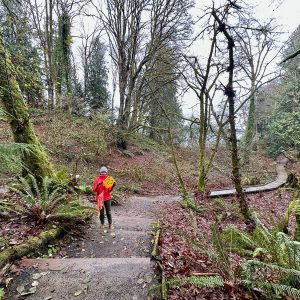
On the trail at the Fragrance Lake 10k with Paul Sage. In this Fragrance Lake 10k Race Report get tips on how to rock this course!

3 Bests – What aspects of the race did you like the most?

  1. Very convenient – close to Fairhaven/Bellingham with multiple parking options
  2. Well maintained – the trail system in the Chuckanuts is popular with the local running community and is well maintained which contributes to the trails being in the best possible condition throughout the year.
  3. Aggressive hilly course that is still very runnable and finishes with a fast downhill charge to the finish

Not so much – Aspects of the race that didn’t do it for you

There is not much to complain about in the Chuckanuts!

Weird factor – What’s the weirdest thing about this race?

The single element that may seem ‘weird’ to some are the gates/barriers at the top and bottom of the Fragrance Lake trail. These are designed to control horse traffic and consist of two overlapping fences that runners have to ‘zig-zag’ through. These are not a big deal at all but do act as a pinch point on the trail and require the runner to come to an almost complete stop to negotiate.

Highlights of your race – What did you do well and enjoy about your race in particular?

The race was a success and the result was just what I was looking for. For me this race was a training race that I was using as a hard stimulus. I came into the race in the middle of building my fitness back up after a podium finish in the Chanoko 50K a couple months earlier. The weekend prior to this race I had also finished on the podium of the Vashon 10 mile race. My goals for the race were to push the ‘flatter’ first 1.5 miles and the two steeper sections of the Two Dollar trail, relax through the rolling middle section of the Two Dollar trail and the couple ‘techy’ switchbacks of the Fragrance Lake trail, and let it rip through the easier downhill. Essentially interval training with competition.

My plan worked out (almost) perfectly. Attacking from the gun and staying in the lead through the first half mile strung the field out and forced the competition to play catch-up before the climbing started on Cleator road and Two Dollar trail. This kept me out of traffic as the trail transitioned from the wide Interurban trail and Cleator Rd and the single track trail that comprises the rest of the course. Knowing I was going to relax my pace on the flatter parts of the Two Dollar trail allowed me to confidently push the steeper sections of the trail without worrying about blowing up. This approach resulted in a large gap to the other 10K competitors behind me and kept me within site of the leader heading into the decent down Fragrance Lake trail. Even with the leader within sight I stuck to the plan and relaxed my pace through the few tricky switchbacks down Fragrance Lake trail and then gleefully hammered the remaining downhill to the finish line. I was super happy with my 2nd place finish and felt very confident I had the fitness to run much harder.

Lessons for others – Share your pro-tips on the race to help the next runner

Taking advantage of the wider portions of the course in the first 1.5 miles is key for maintaining position and staying out of traffic. Having the fitness to go out hard and being aggressive through the initial steep section of Two Dollar trail is essential. To do this effectively there are two spots in the first 1.5 miles where position in the pack is important. The first occurs after the first 100 meters where the course chokes down from a gravel road to a narrow single track for ~50 meters before it joins with the Interurban trail – though this is short it acts as a significant choke point. The second is the ‘dip’ before the Interurban trail joins with Cleator Rd. This ‘dip’, a short steep decent and ascent, marks the true beginning of the climbing on the course. Pushing through this dip right to the intersection of Cleator Rd and Two Dollar trail, which marks the beginning of the single track, will ensure the best possible positioning as the course narrows and the pace slows dramatically.

Lessons you learned that will help you next time around

I am consistently pessimistic about my ability to aggressively run moderately technical downhill and races like this help change that narrative in my mind. The pressure of competition and the laser focus that adrenaline can provide is far more powerful than I give it credit.

Most important course specific knowledge to know about the race

There are several aspects of the 10K course that could be key to developing a race strategy. Beyond the 2 points mentioned earlier regarding the pinch point very early in the race and the ‘dip’ leading into the transition from gravel road to single track trail, there are 2 additional spots to consider. First is the rolling nature of the middle of the Two Dollar trail. Though the trail continues to trend upward the gradient is considerably less steep and rolls in a few spots. This is a great place to either push the pace if you’re really fit or back off and recover for the final steeper push up past Fragrance Lake. Finally, the decent down the Fragrance Lake trail involves some steep(er) switchbacks that are at times both rocky and rooty and if wet/muddy can be a little gnarly. The risks may out-weight the rewards for some runners to be too aggressive here when this particular section is sketchy due to trail conditions.

Aesthetics – Is it a pretty course?

Overall I feel the Chuckanuts are a bit of a hidden gem and the trails epitomize the aesthetic of sea-level PNW forest beauty – dense evergreens and deciduous trees, dripping with moss, covering hillsides scattered with exposed boulders and rocky outcroppings. Fragrance Lake itself is an added bonus but is best enjoyed during a casual day hike.

Difficulty – Is it a tough course?

Given the distance and the vertical gain (~1300′) and loss (~1400′) I feel most runners would consider this a tough(er) course. The majority of the climbing is over a 3 mile stretch from mile 1.5 to approximately mile 4.5 during which runners gain slightly more than 1000 feet. The last 2 miles is a screaming 1400 foot descent to the finish line – not long enough for your quads to blow up but steep enough to feel it the next day.

Organized and well run – Did it feel like a well-oiled machine or were they flying by the seat of their pants?

As is typical with Destination Trails’ races, the race was well organized and well run. Even the sole section of the course that I felt could be problematic (crossing SR 11 in the last half mile of the race) was well marshalled, safe, and seamless.

Competition – Is there a strong field?

Typically there are a handful of killers that show up to race the 10K and the Half.

Logistics – Does it require a special handshake, registration a year in advance, hotels all booked? Give us the low down on the nuts and bolts of making the race happen.

Logistically the race is very simple. The race is well attended but usually has spots open for race-day registration. Navigation to the start/finish line is straight forward and parking is plentiful (there are multiple places to park besides those available at the start/finish line; some of these ‘extra’ parking spots do require a Discover Pass). For those travelling long distances, Bellingham is very close and has a ton of hotel and Airbnb options.

Aid Stations – Standard fare or anything special to know about the aid stations in terms of what’s available or when?

There is a single aid station for the 10K course next to Fragrance Lake. The half marathon and 50K courses have 2 additional aid stations. As is typical for Destination Trail’s races the aid stations are well stocked and well run.

Weather and typical race conditions

The race is typically run in mid February – I ran the 10k during a year the race had been rescheduled to June. Conditions can vary quite a bit year-to-year in February in the Chuckanuts. I have seen the trail conditions in February span the full spectrum from snow-covered and muddy to dry and buffed-out. Temperatures typically hover in the 40s to low 50s.

Gear – Did you need anything special or is there anything you’d recommend for the next runner?

No special gear required for the shorter distances (10K and half marathon). I have witnessed multiple 50K runners carry and use microspikes on the snowy years.

Spectators – Is this a friendly course for your friends?

Spectating sections of the course other than the start and finish does require a bit of hiking but the distances are short and the scenery is great.

How’s the Swag?

As is typical of Destination Trail races the swag is legit.

The Overall Score – How many stars do you give this race and do you recommend that others run it?

I give the race 4 stars and highly recommend it for those looking for a shorter early-season race.

Paul Sage is a coach with Team RunRun. To learn more about him or to work with him, check out his coach profile.

Run Bonfyre Race Report

Coach Carl Jarema with his son at the family-friendly Run Bonfyre race in Michigan. Read the Run Bonfyre Race Report to see if it's for you!

In this Run Bonfyre Race Report Coach Carl Jarema shares his tips and insights for how to run this awesome fall season Michigan race well. A campfire for roasting marshmallows at the finish sounds good too! Enjoy!

Race: Run Bonfyre Trail Fest: 5M, 10M and 18M options

Runner: Coach Carl Jarema

Race Date: 11/04/2023

Location: Waterloo Recreation Area – DTE Trails

Results: 9th Overall – 2:25:15

Strava Activity Link: https://www.strava.com/activities/10159944958

Video Race Report on YouTube

3 Bests – What aspects of the race did you like the most?

This is the 3rd year in a row I have run the Bonfyre 18 miler. Here are the 3 things that keep bringing me back.

  • The People – Run Bonfyre is the end of the year trail celebration and it brings many of the runners I have met earlier in the year, or over the years to be able to share some pre race jitters, trail miles, and post race banter around one of the many campfires burning around the finish area.
  • The Distances – Run Bonfyre offers race distances for 5 miles, 10 miles, and the appropriately named 18ish miles. This welcomes runners of all distances and trail experiences. The race cutoff times are generous enough that the 5 and 10 mile distances are hiker friendly. It may be a “race” but it is also very welcoming to people who enjoy the outdoors. This year I invited, convinced, my wife and two sons to come to the race with me. They hiked the 5 mile course while I ran the 18. My son was at the finish to run me across the finish line.
  • It really is a beautiful trail too! The DTE trails are built for mountain biking, but RF Events takes over the area for 1 day in November to allow those who prefer shoes over tires to explore the trails in relative safety. The trail system is very typical of what you find in Michigan’s Lower Peninsula. Hard packed clay and a constant up and down. It is very much like riding a roller coaster. Though it may sound tough, those climbs are often rewarded with views overlooking one of the many lakes in the area. Awesome people, exploring the outdoors, and on great trails, this race is a win, win, win.

Not so much – Aspects of the race that didn’t do it for you

The difficult part of the race is the mass start, where runners line up based on self selecting their pace. Because the race is run on single track, it is easy to get shuffled behind runners that where either ambitious in their goals, or didn’t quite follow the instructions. For 18 mile runners, this might result in expending too much energy early in the race trying to work through the field, or losing contact with the lead group or pack. I was stuck in a pack until the 5 mile race turn off, and lost track of the lead pack. I was never able to catch back up.

Weird factor – What’s the weirdest thing about this race?

It’s called the 18ish mile for a reason! Every year I have run this race, I have finished with a different distance on my watch, and trust me, it is the same route! I have seen race distances as low as 15 miles and as high as 17.5, but never 18. The number of switchbacks, constant up and downs, and tree cover really challenge your GPS watch. I have started to learn some of the key milestones on the route, and I now look forward to the surprise distance on my watch at the end.

Highlights of your race – What did you do well and enjoy about your race in particular?

Run Bonfyre is not an A, B, or C race for me. I enjoy coming out and spending time with my friends and comparing my results to previous years. This years race was 6 weeks after my first 100 mile run, which is a whole other story, so my goal was just to see how strong I could feel in the second half of the race on the climbs and maybe squeak out a little better time than 2022. I accomplished both of those goals. I felt much stronger on the climbs this year, running every climb, I did not experience the leg cramps like I have in the past, and I managed to better my time by about 5 minutes from the year before. The highlight of the race was coming out of the woods for the final 100 yards to the finish. My son was waiting for me and ran with me across the finish line. The few 5ks we have done together, I am running him across the finish line. This time it was cool to have the roles swapped!

Lessons for others – Share your pro-tips on the race to help the next runner

There are a few tricks to improve your success and enjoyment at Run Bonfyre. To start, be aware of the weather. The last three years have not had rain or snow on race day, but the temperatures have had a big range. It can be in the upper 20s to low 30s at race start and warm to the mid 40s. One year it was over 50 at the start and climbed near 70 by the race end! Plan your layers accordingly and be prepared to be a little cold at the start, but you will warm up.

Another tip is to get there a little early, parking can be tricky. This race has grown in popularity over the years and parking fills up quickly. Save some pre race nerves and stress by arriving a bit early to get a parking spot.

The best tip might be geared toward the 18 mile distance is to respect the climbs. The climbs are short, but very punchy. In previous races I have seen runners running up the hills to maintain their pace and usually around mile 13 they begin to fade. Remember, many hills can be hiked at a similar pace to running, but you will expend less energy. Study the map and some key landmarks to gauge your distance in the race. This race is notorious for in accurate GPS distances. I was burned by this my first time to Run Bonfyre. Don’t get fooled by your watch saying you have 6 miles to go, when you only have 2! When you approach the last lake on the map, that is the time to start pushing to the finish, no matter how many miles left to go on your watch.

Lessons you learned that will help you next time around

A couple things I would like to work on during Bonfyre 2024 is to be more aggressive at the start by being more confident in my predicted pace and starting closer to the front, or being more aggressive and taking chances passing runners before the 5 mile turn out. The other lesson is to take my own advice. I did come in with a game plan to start pushing the pace at a couple given land marks on the course, but struggled to mentally overcome the thought of more hills to climb, or more mileage left than I thought. The race flattens out towards the end, and I am a better climber than flat speed runner. If I don’t increase my effort on the flatter sections, I will get caught by other runners.

Most important course specific knowledge to know about the race

Don’t trust your watch distance! I have said it a few times, but it is one of the things that gets runners new to the event every year. If you are running the 18 mile, you will cross a dirt road and run a loop of the trail system that the 5 and 10 mile races do not cover. You will complete that loop by crossing the same dirt road, in the same spot to join back with the 10 mile course. Here you have 5-6 miles left on the course. There will be a few more climbs over the next couple miles.

As you make your way back towards the finish line, you will approach the field that you parked and race HQ. Here you will pick up the 5 mile course, having 2-3 miles remaining. There will be a climb or two in this section, but it will flatten out. If you have energy left in the tank, now is the time to start increasing your effort. These are some of the key land marks I have been using to determine my distance to the finish and gage my relative effort at the time.

Aesthetics – Is it a pretty course?

The course is very pretty. You will overlook a number of lakes and ponds, often spotting birds and other wildlife. Some of the climbs loop back, allowing you to look across the small creeks and valleys. The race happens in late fall, and the forest is dominated by oak and maple trees. Most of the leaves have fallen, so you are able to see much deeper into the forest than in summer. There are a few stands of red / scotch pine and some cedar near the lakes. Those are some of my favorite parts on the course

Difficulty – Is it a tough course?

Like many courses in Michigan, you never see hundreds or thousands of feet on a single climb. Most are 20 or 30 feet, but they are steep, the leaves can be slippery on the climb and descents. The most difficult parts is the constant vertical change. In some places you may get 10 feet tops of flat before starting the next climb or decent. Your quads just don’t get a break, and you can’t really just zone out and cruise. I would put this as a solid 3 on 1 to 5 scale for difficulty. I have raced much harder races in the Upper Peninsula, but the constant grind of this course pushes it just past the midpoint to 3

Organized and well run – Did it feel like a well-oiled machine or were they flying by the seat of their pants?

RF Events is one of the organizations that you can always count on having a well organized event. The course is well marked, there are plenty of port-a-potties, and race check-in is a breeze. They also go above and beyond with the parking organization. They have been doing events for a while, and with the finish line celebration activities, it really shows!

Competition – Is there a strong field?

This year was the strongest field I have seen over the 3 years running. The Master’s runners really showed up too! I mentioned I ran 5 minutes faster than last year, and I finished 5 spots lower in the results! I did not even win an award in my age group. You will not see the who’s who of the national trail running scene, but you will see, as this year proved, a number of strong Michigan trail runners showing up.

I am confident that as this race continues to gain popularity, it will become more competitive. RF Events also has a season long trail series called the GOAT Series. This series awards points based on your 3 best results from the year for a given distance. Bonfyre is the last race to better your score, and it is where the season awards are given out. As the GOAT series grows, I also expect more competition in the future.

Logistics – Does it require a special handshake, registration a year in advance, hotels all booked? Give us the low down on the nuts and bolts of making the race happen.

The race is growing in popularity every year! I have seen significant increases in participation each of the 3 years I attended. You will want to get on the RF Events website and Facebook page to make sure you register before it sells out, which usually happens a couple weeks before the race. You can also pre-order additional swag and pre-purchase a food truck meal during registration. This is a local focused race and most participants arrive and leave the day of the race. If you were to travel in from out of town, there are a few towns within an hour or less with plenty of hotels. Many runners commute 2+ hours the morning of the race without much issue.

Aid Stations – Standard fare or anything special to know about the aid stations in terms of what’s available or when?

Aid Stations are available at all 3 race distances, the 5 mile has 1 aid station, the 10 mile has 2 stations, one of which is shared with the 5 mile, and the 18 has 3 aid stations. The 18 mile shares the 5 and 10 mile aid stations, hitting the 10 mile aid station twice.

As this is a shorter race, the aid stations are usually pretty simple, water, Gatorade, and some simple snacks at the 18 mile. Depending on how you typically pack / run, you may be able to complete any of the 3 distances without the need to stop, but they are there just in case.

Weather and typical race conditions

It is November in Michigan…. the weather can be a bit unpredictable, but the last few years it has been pleasant. Typically the morning is going to be cold with frost on the ground, slowly warming to above freezing. Layers are advised as well as spending extra time after registration in your vehicle to stay warm. There is a warming tent, but I find it more comfortable in my vehicle.

Gear – Did you need anything special or is there anything you’d recommend for the next runner?

The great thing about this race is that you don’t need a lot of gear. Depending on the time you expect to spend on course, a hand held water bottle is all that is required. For the 10 and 18 mile races, nutrition is recommended. I run this race with my Salomon vest and soft flasks, one with electrolyte mix and the other with plain water. I will also bring a few hundred calories with me to consume mid-race. I have considered going lighter in the future, but I am able to skip through the aid stations, saving time in the race. It also is a great distance to practice gear and nutrition for longer races. At 18 miles, it is long enough to see what works and doesn’t work, but not end up in a place so bad you want to DNF.

Spectators – Is this a friendly course for your friends?

For the adventurous spectator, you can view the runners during multiple locations on the course. The course does not have many trails or intersecting roads, which means you may need to hike the course in reverse, or trek into and through the woods to the trail. The 5 mile aid station and finish line are the best places to view the runners, with the finish line being the best. What is better than watching the runners finish with a live band and roasting marshmallows over a camp fire!?!

How’s the Swag?

Race swag is pretty solid. Finishers receive a really nice coffee mug and participants receive a knit hat. The hat is my son’s favorite. He wears it everyday! For purchase there is also a sweatshirt, which is very comfortable. I ordered the sweatshirt last year and usually wear it once or twice a week.

One of the new initiatives RF Events is starting in 2024 is optional swag. I really love this more sustainable approach. How many race shirts does a runner really need and this limits boxes of unused shirts after the race. I hope more race events begin similar practices.

The Overall Score – How many stars do you give this race and do you recommend that others run it?

This race scores an 8 out of 10! The amenities are fantastic, the atmosphere is truly what you expect from trail running, and you can bring the whole family by offering different distances with hiking encouraged.

The only things keeping it from a perfect score? I would like to see 1 additional distance, there is one more loop in the system that the race doesn’t use. An additional warming tent for the prerace and finding a way to sperate the race start waves by distance vs pace may help reduce the conga line for the first few miles. I would send the 18, then 10, then 5 mile races out, as those typically go from the least to most runners, giving faster runners more opportunity for open trail vs being stuck with those who may have self-selected in error, or as some admitted, on purpose.

Carl Jarema is a coach with Team RunRun. To work with him or to learn more about him, check out his coach profile.

Coach Carl Jarema shares his Run Bonfyre Race Report, providing loads of tips for this awesome local Michigan trail race!

Chicago Half Marathon Race Report

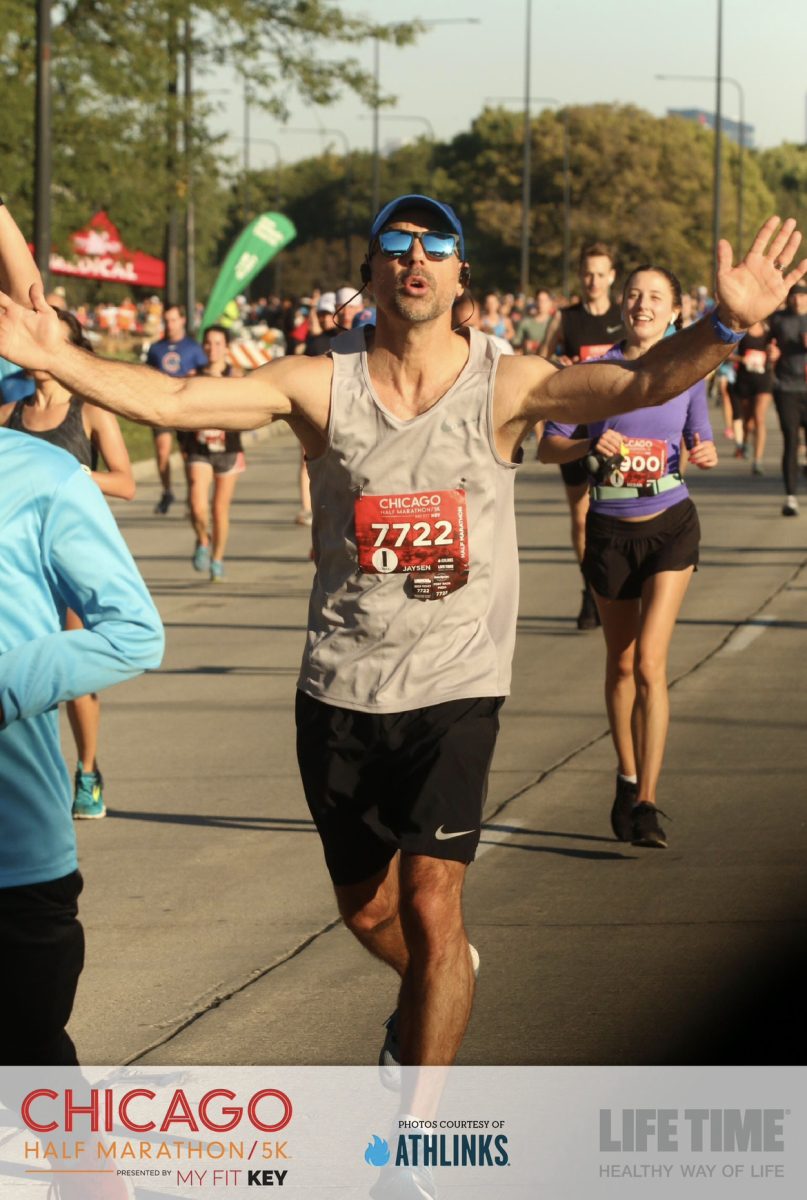
Photo: Chicago Half Marathon

This Chicago Half Marathon race report is meant to help you learn from my experiences with this awesome race. From course details to race day logistics, I try to share all that I can to help you be your best on race day! – Jaysen Chambers

Race: Life Time Chicago Half Marathon + 5K

Runner: Coach Jaysen Chambers

Race Date: 09/29/2019

Location: Chicago, Illinois

Results: 1:49:34 – 8:22/mile – AG 59/341

Video Race Report on YouTube

3 Bests – What aspects of the race did you like the most?

  • Lots of energy with crowd support
  • Great views of Lake Michigan on Lakeshore Drive
  • Ginormous finisher medals and great post-race activities – With 7000+ participants they have several vendor tents set up. Food and beverages are available, and there is usually a band. It is a party atmosphere for sure!

Not so much – Aspects of the race that didn’t do it for you

  • Parking is difficult. I personally parked at the Museum of Science and Industry and walked to the starting area. It’s just under a mile walk.
  • The race also encourages taking the shuttle or walking to the start. The race shuttles cost $15 and begin departing at 4:30a and 4:45a from various locations. There is great information on their website.
  • Much of the route is on concrete and is a combo of asphalt and concrete. The roads are fairly well maintained with only a few patchy spots. No sidewalk running at all.

Highlights of your race – What did you do well and enjoy about your race in particular?

This was the first time I went sub-1:50 for a half marathon. Great pacers. I used the 1:50 pacer for this race and stuck with the group. We ran pretty consistent splits. If I remember correctly the weather was very rainy prior to the race starting and then stopped just before gun time. End of September is a tricky time because you can get anything…cold, hot, rain, sun, wind.

This is an out and back course. You start about the first mile winding through the Jackson Park area then head north onto Lakeshore Drive where you get a great view of the Chicago skyline and Lake Michigan. The overpass turnaround is near mile 7 where you back south on Lakeshore Drive.

Lessons for others – Share your pro-tips on the race to help the next runner rock the Chicago Half Marathon!

Give yourself plenty of time to get to the start/finish area as parking can be challenging. You don’t want to be stressed about getting there on time. During this time of the year, it is still dark. Sunrise is at 6:46a and the race corals close at 6:45a with a start time of 7a.

This is a fairly large race so you don’t need a headlamp to get around in the morning. There are plenty of street lamps and other runners making their way from the parking garage to the starting area. Get there early! There were police directing traffic in to the parking garage, lots of activity…once you park you have the long walk to the start area. There’s gear check and porta potties and a huge starting area for folks to warm up and relax prior to the race.

Lessons you learned that will help you next time around

Know that the turnaround is around mile 7 and is an overpass, so be prepared for that hill. If I was preparing for this race now I would likely take a gel prior to the start. And the two gels on course near miles 4 and 9. Depending on the temp I would sip scratch in my handheld. Everything went well on that day and I gave myself plenty of time to get down to the start area, use the porta potties, relax and warm up.

Most important course specific knowledge to know about the race

It’s usually pretty crowded for about the first mile until you make your way onto Lakeshore Drive where the pack spreads out. Be patient. Once you get onto Lakeshore Drive around mile 2, it’s really just a long straightaway heading north that allows you to settle in to your pace. Pretty flat with a nice view of the Chicago skyline and Lake Michigan. Since it’s an out and back you get to see the folks ahead of you coming back southbound after the turnaround around mile 7.

Aesthetics – Is it a pretty course?

Great views of Lake Michigan and the Chicago Skyline! And an epic final turn towards the finish line in Jackson Park with the Statue of the Republic.

Difficulty – Is it a tough course?

Flat except for the turnaround overpass. It’s your standard exit ramp overpass then down the entrance ramp on the other side. Probably less than a 1/4 mile total. There were a lot of spectators at that turnaround point too. And it always feels good to know you’re headed back to where you started.

Organized and well run – Did it feel like a well-oiled machine or were they flying by the seat of their pants?

Very well run and organized with usually around 7000 participants. Pre and post race communication is excellent for a race of this size. Bib pick up is downtown Chicago and went smooth. Big expo with lots of vendors. Very easy to get live race results. There were several official race photographers throughout the course too.

Competition – Is there a strong field?

  • Top male in 2023 – 1:10:20
  • Top female in 2023 – 1:18:58
  • Competitive age groups

Logistics – Does it require a special handshake, registration a year in advance, hotels all booked? Give us the low down on the nuts and bolts of making the race happen.

  • I don’t believe it sells out. Only logistical note would be parking / shuttle / walking.
  • Your options to get your bib are: Packet pick-up day or two before the race, packet mailing, or purchase the will-call option for day-of pick up.
  • Being Chicago, there are tons of hotels, not many really close to the start/finish area. But that’s where the shuttles play a role.
  • I drove the down prior to race day to get my bib although coming from the suburbs I would consider having it mailed to me for a fee. It’s quite the journey to get down to Chicago from the burbs.

Aid Stations – Standard fare or anything special to know about the aid stations in terms of what’s available or when?

The aid stations were plentiful about every mile to 1.5 miles. They do have Gatorade Endurance Gels and drink available on course at a few of the aid stations too. Lots of volunteers and very easy to navigate as this is a big city race.

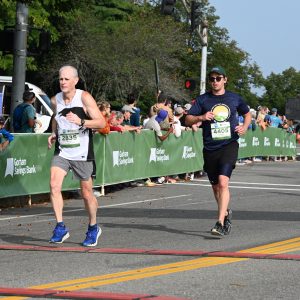
Chicago Half Marathon Finish

Weather and typical race conditions

End of September is hard to predict. It’s a few weeks before the Chicago Marathon…and that weather has been all over the board. Hot, cold, rainy…

Our weather was rainy the whole way driving downtown in the dark and then the rain let up just before the start of the race. It’s usually pretty windy along Lake Michigan so you can expect that. But temps is a crapshoot.

Gear – Did you need anything special or is there anything you’d recommend for the next runner?

Even though you’re walking to the starting corals when the sun is still coming up…don’t forget your sunglasses as the sun will rise over Lake Michigan. They do have a gear check area where I dropped a bag. In 2019 the gear check tent was understaffed and hopefully that has improved over the years, it’s tough to get that piece right for a race. I had some extra shoes and another shirt to change into. I was dressed appropriately for the race!

Spectators – Is this a friendly course for your friends?

Yes. With it being an out and back, friend and family can easily see you twice. I didn’t have any personal family/friends spectating me. There are neighborhoods that are along the edge of the course so they can park and walk over to the median area and see the participants twice on the out and back. There’s also a very large start/finish area in Jackson Park to enjoy post-race activities.

How’s the Swag?

The biggest finisher medals I’ve ever seen. The two years that I ran this race we received long sleeve tech shirts that I still wear today. There was also swag for purchase at the expo.

The Overall Score – How many stars do you give the Chicago Half Marathon and do you recommend that others run it?

4.5 / 5 stars. The reason for the .5 off is because it because you do need to give yourself more time than usual to either park/walk or shuttle over to the start area. And the gear check tent was understaffed when you’re trying to get your dry clothes. I would definitely recommend this race… just know it’s a big city race with big city logistics. Improving the gear check staffing (and I would assume it’s been improved) is my only suggestion.

Coach Jaysen Chambers is a coach with Team RunRun. To learn more about him or to work with him, check out his coach profile.

brian comer running coach

Rowing for Runners

by Coach Brian Comer

On a recent trip to Seattle, I found myself on the University of Washington campus, in the shadow of the Conibear Shellhouse, home of the University of Washington rowing team. While of course being the current home of the team, it also holds its esteemed place in history as the home of the 1936 Olympic Team that went on to win gold in Men’s 8s. Over this past weekend, as I was watching “Boys in the Boat”, which detailed the story of the aforementioned legendary 1936 US Olympic Men’s Rowing Team, it dawned on me while watching some of the scenes surrounding the training, rowing really is a full body workout. At first glance, one might see it as mostly an upper body workout, but to maximize your rowing, it really takes engaging the legs and core as well. Truth be told, I’ve had athletes over the years ask me how rowing can be of benefit to their running and how to appropriately implement it into their cross-training regimen. My hopes with this article are to explain how you can use it as a cross training tool.

Rowing is a Full Body Workout

As alluded to in the introduction, rowing is in fact a full body workout. Even though rowing is done in a seated position, it helps build stability, something many runners lack given the singular-planed nature of running. I’m big on the concept of “building the whole athlete” and rowing will most definitely have you using muscles that you normally don’t use while running. While one might justifiably question whether rowing is really an accessible activity, chances are that your gym likely has a rowing machine or two. So just because you don’t live near open water or live in a cold weather environment, you can still get a good rowing workout in. 

Like all modes of cross training, rowing can help break up the monotony of running training and prevent injury. In addition, rowing can help improve efficiency and provide a low impact exercise option. Rowing can also increase force production (more speed with less effort) and improve endurance, even with a tight, concentrated time window. 

On the topic of injury prevention, rowing does this through helping improve one’s posture. To maximize your rowing, you need to make sure to not be in a hunched over position as rowing works the posterior chain, specifically the hips and hamstrings. In outlining these three key performance benefits of rowing for runners, who tend to be reliant on their quads. Renowned running PT Jay Dicharry states “rowing workouts offer a solution by helping runners to “find their hips, waking up and strengthening the posterior chain can help enhance stability and transition runners away from hunched, injury-inducing forms”. Like with all exercise, it is important to practice proper form and by nature, rowing is a hinge-based movement just as much as performing a deadlift in the weight room is.

How to Implement in your Training Plan

Jjust because you don’t live near open water or in a warm weather climate (this particularly didn’t stop the 1936 UW team, most of their fiercest collegiate competition hailed from northern states), doesn’t mean that there isn’t a place for rowing in your running training plan. In fact, due to the more controlled environment, it would almost be preferred to do these on a gym rowing machine. While with running, we often preach specificity, chances are the open water isn’t necessary for the runner’s rowing workouts as that isn’t the focus of performance. Plus, the added benefit of indoor rowing workouts is the ability to implement them year-round. 

Given the power benefits of rowing, sprints are easy to implement into training as is anaerobic threshold training. For intervals, you go based on time (again, improving our 2k row time isn’t a likely goal many runners reading this have) much like you would if you were programming intervals on an elliptical or bike. 

Not only does rowing have a place on higher intensity training days, but also on recovery days too. You can simply swap a running day for a rowing day and voila. Like running, rowing can help you improve not only your aerobic base, but your anaerobic capacity as well, both components that are necessary to maximize running performance. Often, you can even implement both of these in the same training session, a silver lining many runners may find helpful or motivating as runners tend to neglect the anaerobic or speed work necessary for improving race times. Total Row Fitness breaks it down in the context of their individual classes as every class “will incorporate both types of fitness, helping to improve your aerobic base (allowing you to go further) in pyramids, ladders, or mixed sets, and your anaerobic capacity (allowing you to go faster) through intervals, Big10s, and races ). This also highlights how one can really maximize the benefits in a short window because let’s face it, we’re all crunched for time every now and then. It really shows how rowing can give you more bang for your buck and not just be implemented when on an injury break or in need of a change of routine or scenery, but as a bonafide component of your training schedule.

Conclusion

To summarize, rowing is a very underrated form of cross training for runners. If on the runner’s mind at all, it is often on the back burner or simply not even considered as a cross training option. However, as seen in these outlined benefits, it very well could serve a place in your training plan regardless of where you are at in terms of your running. Do you seek to maximize your running performance? Rowing has a place for you. Simply looking to break up the monotony and get a change of scenery? Rowing can do that. Injured and looking to maintain or even build fitness during your time off? Rowing can do that too. All in all, I hope this article inspires you to embrace that rowing machine at your local gym and use it as a means of cross training. Or maybe like me when it came to the idea of getting around to writing this article, you were inspired to do so by “The Boys in the Boat” story. But like in all things when building consistency, it doesn’t matter if you go far or fast, but that you just simply go and give it a try.

brian comer running coach

Coach Brian Comer is a coach with Team RunRun. To learn more about him or to work with him, check out his coach profile.
Medical Training for Ultrarunners

The Missing Link in Trail Running by Team RunRun Coach Connor Phillips

Hot spots and blisters. Strains and sprains. Maceration and trench foot. Dislocations, fractures, and impalements. Dehydration, hyponatremia, and rhabdomyolysis. Hypothermia and heat illness. Should runners take Advil (ibuprofen) or Tylenol (acetaminophen)? How well equipped or trained might you be to manage these problems in a race? How prepared are you to help yourself, your training partner, or an unknown party in distress on a mountain summit or in a remote desert canyon? 

As runners, we subject our bodies to abuse, during training and races alike, which increases the risk of injury or illness. We also normalize ultralight backcountry travel with minimal to no first aid supplies. Personally, the first aid kit I carry on runs includes vet wrap to protect my dog’s torn pad and toilet paper for, you know… Rarely do I carry bear spray in grizzly country but I bring my Garmin Inreach Mini, if I remember to grab it. 

As a trail runner, running coach, firefighter/ EMT, backcountry guide, volunteer race medic, and wilderness medicine instructor, I ask you to do as I say and not as I do. And I ask you to take a wilderness medicine course. 

Ultra runner receiving medical attention during a race
Providing all of the medically necessary care at Moab 240, 2022.

Wilderness medicine is a specialty branch of pre-hospital care and emergency medicine. These courses focus on identifying and stabilizing life threats as well as preventing, assessing, and treating injuries and illnesses common to backcountry travel. The main difference between basic first aid and wilderness medicine is learning to take care of yourself or others when: communication with the EMS system is unreliable; a backcountry rescue may be hours to days away; and resources like first aid supplies or other gear are limited. Wilderness medicine training prepares you to respond more confidently to a backcountry emergency through classroom sessions paired with repetitive, hands-on scenarios and drills. 

There are a number of different wilderness medicine courses offered to improve medical preparedness for ultrarunners in the field. The two most common are 1) Wilderness First Aid (WFA) is a 16-24 hour course best suited for backcountry day trippers and 2) the Wilderness First Responder (WFR) is an 80-hour class for people who spend days in the backcountry, those who appreciate learning more about pathophysiology, and students keen to understand the “how” and “why” behind medicine and care. These classes are the industry standard of training for guides and weekend warriors alike. Many races recognize these certifications as acceptable qualifications to volunteer as a race medic. The time and financial commitment for these courses can seem daunting but what you learn in a course can save yours or someone else’s life. 

Two extreme examples come to mind. During the fight for his life, professional ultrarunner Gabe Joyes relied on his long expired WFA training to preserve body heat and minimize blood loss after stabbing his femoral artery with his running pole. In her book Out and Back, skyrunning legend Hillary Allen notes that one of the first people to provide care after her 150 foot fall was a fellow racer with medical training. Though extreme, the remote nature of our sport dictates the importance of learning this craft.

Many skills taught during these courses can be applied in urban settings as well. One example is using a bleed kit or AED, now commonly found in airports, bus stations, malls, and schools around the country, to stop a bleed or correct a heart arrhythmia during cardiac arrest, respectively. Similarly, you will learn to assist someone afflicted by a sudden anaphylactic reaction by administering their life-saving medication, whether they are eating at a restaurant or an aid station.

At Moab 240, I have seen runners wait in line for over an hour to have me look at their feet, something they or their crew could do in 10 minutes if they had the proper training and confidence. After these courses, you will be prepared to treat many illnesses and injuries and better recognize the seriousness of issues you cannot manage or diagnose. You will feel more confident in your ability to manage your feet throughout a race and be better prepared to support your friends to the finish. This training will give you foundational medical knowledge and skills that can be applied anywhere, which will help your running preparedness and potentially save lives.

No previous medical training is required to take a WFA or WFR; anyone can participate. You may find yourself in a class alongside professional guides and recreationalists with various outdoor experiences (e.g., mountaineering, climbing, kayaking, backpacking, etc.) These open enrollment courses often need more time to delve deeply into details specific to trail running.

For that reason, I am excited to announce a WFA for Trail Runners course in Leadville, CO from June 21-23, 2024. In addition to the standard WFA curriculum, which is a fantastic introduction to wilderness medical training, we will devote an additional day to covering niche runner-specific issues. Think: how to best treat a blister on every part of the foot, tape injured ankles and knees to increase finishing chances, recognize rhabdomyolysis, and manage over the counter medication administration during a race so as to not create acute liver or kidney issues. This course is conveniently timed to coincide with the Leadville Trail Marathon and Heavy Half; come a week before your race to acclimatize and learn an essential skill or stick around to volunteer as a race medic after the course.

If the WFA for Trail Runners does not fit your schedule, a general WFA or WFR is still a worthwhile, and, in my opinion, essential pursuit. When choosing to invest in a wilderness medicine course, I urge you to consider the following:

  1. Seek a course with a Wilderness Medicine Education Collaborative member school or one that adheres to WFA and WFR certification standards. 
  2. Avoid online-only courses, as they are inadequate at providing essential hands-on training. Instead, choose a WFA that offers a minimum of 16 hours of in person learning or a WFR course with a minimum of 45 hours in person when considering hybrid formats. The hybrid model is great because you can learn approximately 30 hours of online material at your own pace before committing to the in-person learning, thereby reducing your travel time away from daily life.
  3. The effectiveness of your training weans over time so it is imperative that you seek out opportunities to practice your skills regularly outside your scheduled recertification window (between recertification courses). Volunteering as a race medic is a great place to start. Some schools also offer in house continuing education to help keep skills sharp.
  4. Ensure the school integrates CPR and AED training and certification within your chosen course at no extra cost.
  5. Compare the topics and skills taught on the school’s course outline with those listed in the standards documents for WFA and WFR available on the WMEC website. Not all schools follow the WMEC standards and thus may not offer the entire gamut of topics, including mental health and psychological first aid.
  6. Inquire about staff qualifications. Anyone can start a wilderness medicine school and claim to be an expert. Look for a school recommended to you because it has an excellent reputation, has stood the test of time, and requires its instructors to maintain high-level medical certifications in addition to completing annual in-house continuing education requirements. 

The company I teach for, Desert Mountain Medicine (DMM), meets or exceeds all the above recommendations. I am proud to say that I teach for the best wilderness medicine school in the country. DMM celebrated its 25th anniversary in 2023, is a founding member of the WMEC, and offers courses nationwide. 

Blister care is essential medical training for ultrarunners
Prevention is ideal, but blisters may be inevitable. In the WFA for Trail Runners, we will learn how to manage blisters, amongst a broad range of other medical topics relevant to daily life, backcountry travel, and trail running.

If you are excited to sign up for the WFA for Trail Runners, you can do so directly on the DMM website. For run coaching inquiries, connect with Connor on TeamRunRun. If you have questions about the intersection of running, racing, crewing, coaching, and medicine, feel free to reach out to the author at  [email protected] or @phillycondor on Instagram. 

Connor Phillips is a lifelong runner and medical professional. He has accumulated thousands of hours guiding in remote wilderness settings in addition to his work as a running coach, firefighter/EMT, and wilderness medicine instructor. When not traveling to run, crew, or pace fellow trail runners, Connor splits his time between the mountains of Jackson Hole, WY and his hometown in California’s Central Valley. 

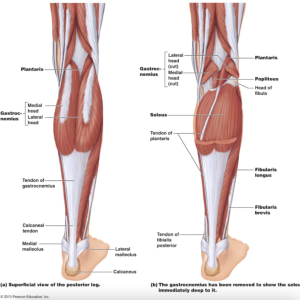
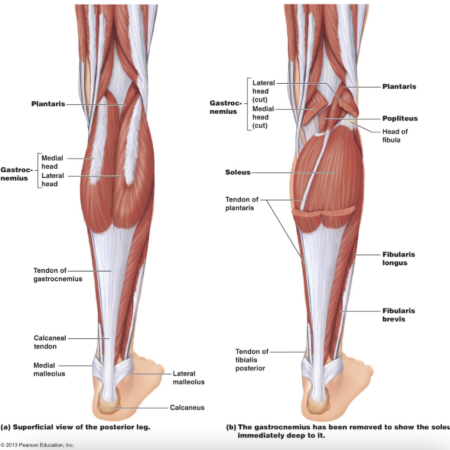
Eccentric Calf Raises

Eccentric Calf Raises – Fix Your Injuries and Unlock Your Potential with Coach Brant Stachel

Elevating Performance and Injury Prevention

Eccentric calf raises are a powerful exercise for runners, offering substantial benefits in both injury prevention and performance enhancement. Particularly effective for addressing issues related to the Achilles tendon, tibialis posterior, plantar fascia, and general ankle health, this exercise is a staple in both rehabilitation (rehab) and preventative (prehab) routines.


Why Eccentric Calf Raises Matter for Runners?

Eccentric calf raises focus on the lowering phase of the calf raise movement. This eccentric motion is vital for building strength in the muscles and tendons of the lower leg, which are crucial for runners. The exercise aids in:

  • Strengthening the Achilles Tendon: Essential for absorbing and releasing energy during running.
  • Enhancing Tibialis Posterior Health: Plays a key role in supporting the arch of the foot.
  • Improving Plantar Fascia Flexibility: Reduces the risk of plantar fasciitis, a common runner’s ailment.
Eccentric calf raises can strengthen key lower leg attributes to reduce injury risk and make you a stronger runner.


How to Perform Eccentric Calf Raises

  • Double Leg Version:
    • Stand on the edge of a step.
    • Lift heels slowly, then gradually lower them below the step level over five to six seconds.
    • The slow lowering (eccentric phase) is crucial; it’s where most of the strengthening occurs.
  • Single Leg Version:
    • Use a railing or wall for balance.
    • Lower one heel below the step level, taking five to six seconds, then return to starting position.
    • Ensure to engage the calf muscle intensely during the lowering phase.

Performing these exercises regularly can significantly enhance lower leg strength and flexibility, crucial for running efficiency and injury prevention.

Check out this video to learn more. 

Implementing Eccentric Calf Raises in Your Routine

Incorporating this into your regular training routine is straightforward:

  • Frequency: Begin with two to three sessions per week.
  • Repetitions: Start with one set of 10 reps for both double and single-leg versions, gradually increasing as strength improves.
  • Progression: As your calves get stronger, you can increase the number of sets or add weight for additional resistance.
    Time: 5-6 seconds on the eccentric portion of the calf raise has been shown to elicit benefits

Remember, consistency is key to reaping the full benefits of this exercise.

Beyond Injury Prevention: Enhancing Running Performance

While the primary aim of eccentric calf raises is to prevent injuries, they also play a significant role in improving running performance. Strong calf muscles and tendons contribute to a more powerful push-off during running, leading to increased speed and efficiency.

Step Up Your Running Game with Eccentric Calf Raises

Integrating eccentric calf raises into your training regimen can make a significant difference in your running journey. Not only do they fortify your lower legs against common injuries, but they also set the stage for enhanced performance, keeping you running stronger and longer.

Brant Stachel is a coach with Team RunRun. To learn more about him or to work with him, check out his coach profile.
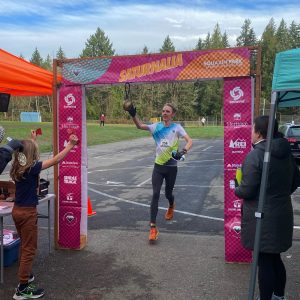
Saturnalia 10k Race Report – Keith Laverty

Race: Saturnalia 10k

Runner: Coach Keith Laverty

Race Date: 12/16/2023

Location: Squaxin Park in Olympia, WA

Results: 1st OA, New CR

Strava Activity Link: https://www.strava.com/activities/10390592365

Video Race Report on YouTube

3 Bests – What aspects of the race did you like the most?

  1. The mix of wide/runnable trails/roads and challenging/twisty punchy hills and staircases!
  2. I appreciated having some good competition up front to keep the effort honest from the get-go — Got the most out of each other!
  3. Super convenient race logistics and parking; plus the start/finish was right next to a gym in case you needed a little break from the winter cold!

Highlights of your race – What did you do well and enjoy about your race in particular?

I’d say belief in self! After the 1st mile, the eventual 3rd-place finisher made a big, strong move on an uphill. And while it certainly felt demoralizing in the moment, I think I did good job of just keeping myself in contention and continuing to believe in my ability. Then sure enough, I was able to eventually repass into 1st position around the halfway point while also not getting myself overly fatigued too. Certainly rode a fine line though and most of the race was spent with my gas on the pedal!

Lessons for others – Share your pro-tips on the race to help the next runner

Pay close attention to the course signage and arrows. There are several twists/windy turns and sections of running a public parking lot for the parks, so just stay attentive! Then don’t forget about the final 100′ uphill that leads to the grass field toward the end!

Aesthetics – Is it a pretty course?

I enjoyed the sections along the water, primarily in the 4th and 5th miles of this race. Otherwise, lots of lush, classic, green PNW trails!

We did luck out with a clear day to enjoy the water, I could even see the Capitol building across the water during my warm-up.

Difficulty – Is it a tough course?

On paper, this doesn’t appear to look terribly difficult. However, all of the hills in the 2nd half are deceivingly hard, especially since many of these are steeper staircases or steps to climb up. With being a relatively short-ish distance, you’ll feel those hills plenty!

Organized and well run – Did it feel like a well-oiled machine or were they flying by the seat of their pants?

Rock Candy Running and Mathias Eichler always do a great job with clear communication in their race event details, e-mail newsletter and everything on their website. Very well-organized, well-marked, well-loved event!

Competition – Is there a strong field?

There was this year! Last year’s winner and myself ran about 2 minutes or so under the men’s course record. The top female also took a huge chunk of time off from last year’s (inaugural) winning time too.

Logistics – Does it require a special handshake, registration a year in advance, hotels all booked? Give us the low down on the nuts and bolts of making the race happen.

Very simple and straightforward. Also, the 9am start was convenient.

Aid Stations – Standard fare or anything special to know about the aid stations in terms of what’s available or when?

No aid station during the course but plenty of snacks and warm drinks post-race!

Weather and typical race conditions

Honestly…. I think we lucked out majorly! It was cold but very dry and even a little sun. I’m sure some future years could get some cold, rainy conditions!

Gear – Did you need anything special or is there anything you’d recommend for the next runner?

Likely a grippy trail running shoe and even something on the lighter/faster end of things. On a rainy year, I could potentially see some stair sections or downhill sections being a little slick!

Spectators – Is this a friendly course for your friends?

There is one paved spot/intersection in particular where all the runners will run through 4 times! So that’s likely the best spot to spectate on course. Otherwise, not too long of a wait to hang out at the start/finish area at Reeves Middle School.

How’s the Swag?

Hand-crafted and swag this year in the form of a tree ornament made out of wood! Each finisher also received a pre-determined number to go pick up a surprise goodie or gift after the race too.

The Overall Score – How many stars do you give this race and do you recommend that others run it

4.5 stars — I think this event will become a staple, winter community event. Friendly folks and a fun way to end the year of racing!

Keith Laverty is a coach with Team RunRun. To learn more about him or to work with him, check out his coach profile.

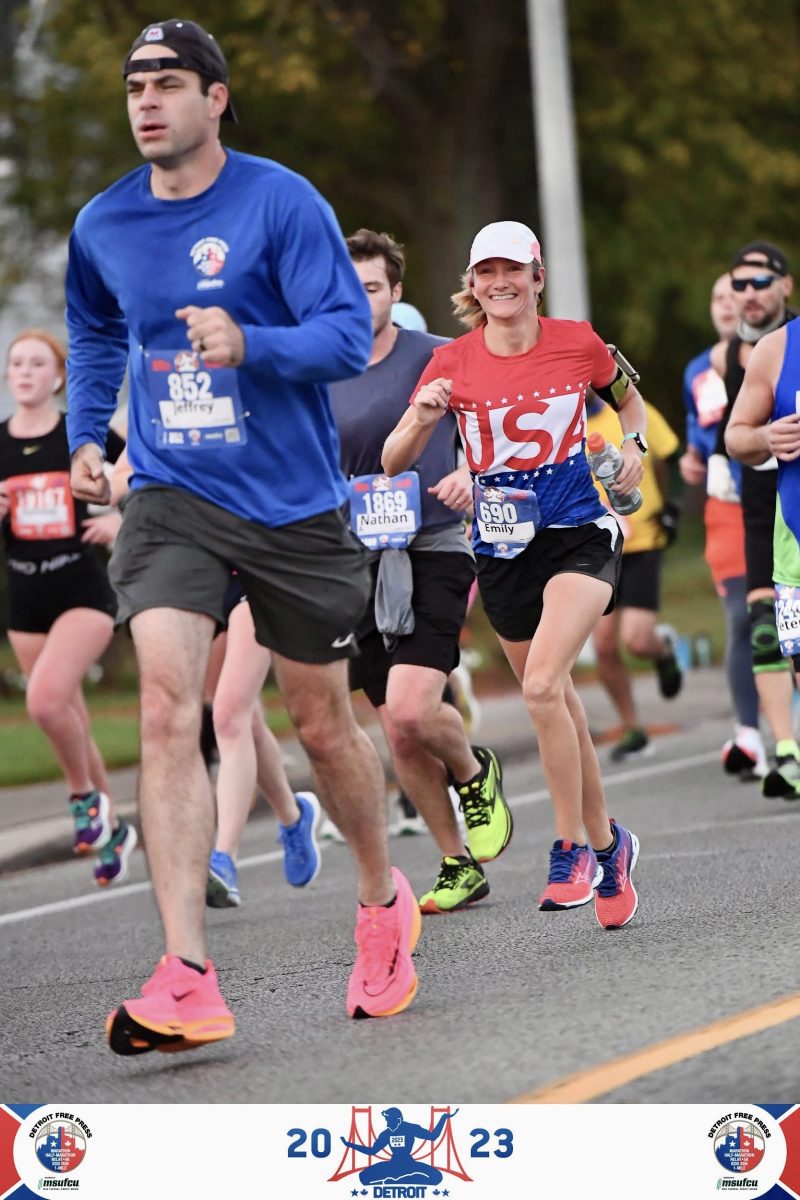
Detroit Free Press Marathon Race Report – Emily Alley

Photo: Detroit FreePress 2023

Race: Detroit Free Press Marathon

Runner: Coach Emily Alley

Race Date: 10/15/2023

Location: Detroit, MI (USA) -> Windsor, ON (CA)

Results: 3:29

3 Bests – What aspects of the race did you like the most?

  • Mild weather
  • International race

Not so much – Aspects of the race that didn’t do it for you

  • 2023 race nutrition (Clifblocks)
  • Long stretches through quiet neighborhoods

Weird factor – What’s the weirdest thing about this race?

You run through border control officers during the race. Don’t carry a back pack and keep your number always visible.

Highlights of your race – What did you do well and enjoy about your race in particular?

This race takes you from the USA to Canada and back! You run over and UNDER the Detroit River. The first 5k brings you to Ambassador Bridge, a majestic climb over the Detroit River. After a short tour of the Canadian riverfront, you return to Detroit through an underwater tunnel.

Most important course specific knowledge to know about the race

Do not take the bridge and tunnel elevation for granted. The rest of the course (2023 update) is nearly pancake flat. Considering the overall elevation profile, it appears to be an easy course. However, the only two inclines hit early in the race when adrenaline is pumping and you know you are going faster than you should. Force yourself to take it easy on the bridge-both up and down. If you don’t, you risk trashing your legs early in the race.

Aesthetics – Is it a pretty course?

Ambassador Bridge and the tunnel are the highlights of the race. With the exception of a few blocks when you loop downtown, the rest of the race is run through neighborhoods. They are pretty with the fall colors, but unless you know the history of the landmarks, they won’t catch your eye. The final 6 miles is an out and back on an unremarkable road with little crowd support. Be prepared to self-motivate and keep the downtown skyline in sight when you turn around!

Difficulty – Is it a tough course?

On a scale of 1 being a downhill paved course and 10 being a mountain trail race, I give this a 4. If you run the bridge and the tunnel smart, the course rewards you with a flat, fast finish.

Organized and well run – Did it feel like a well-oiled machine or were they flying by the seat of their pants?

There is plenty of pre-race communication and a great security presence. This race felt safe and well organized. Join the race Facebook group to get insider tips from the knowledgeable race appointed ambassadors.

Competition – Is there a strong field?

This does not draw a strong field for being a big city race. There is a small prize purse for the lead runners.

Logistics – Does it require a special handshake, registration a year in advance, hotels all booked? Give us the low down on the nuts and bolts of making the race happen.

  • You MUST have ID to cross the border. Michigan residents can use a Real ID license. Most people use a passport. They will check this at packet pickup.
  • Along those lines, you must also be preapproved by Canadian border control. During registration, you complete a questionnaire similar to a background check. If something is flagged, you may be rejected or required to appear before the officers in the week preceding the race.
  • Parking downtown is easy if you are willing to walk. All of the casinos offer free parking in their massive garages. The trade-off is the 3/4 mile walk to gear check.

Aid Stations – Standard fare or anything special to know about the aid stations in terms of what’s available or when?

2023- They offered ClifBlocks. I hope based on the feedback I heard they offer something else in the future.

Fluid was offered about every 1-1.5 miles. There were two fuel stations.

Weather and typical race conditions

Perfect. Mid-October in Detroit is generally mild (40s-50s).

Gear – Did you need anything special or is there anything you’d recommend for the next runner?

You must carry your government issued ID during the race. If something happens while you are in Canada, you do not want to be stuck without proper identification. Many people used a fanny pack or belt. I taped mine to the back of my bib. If you tape it, use a strong shirt. The weight of the passport ripped one of the safety pins 5 miles in.

Spectators – Is this a friendly course for your friends?

This is a fantastic race to watch a friend! Within a couple of blocks, you can see the runner 4 times! Start, coming from the tunnel, the loop back to downtown around mile 16, and the finish.

How’s the Swag?

Great long sleeve shirt, mylar blanket, medal.

The Overall Score – How many stars do you give this race and do you recommend that others run it?

4- Definitely worth doing once to cross a border during a race! The tunnel is a little claustrophobic and the neighborhoods a bit too quiet to tempt me to do it a second time.

Emily Alley is a coach with Team RunRun. To learn more about her or to work with her, check out her coach profile.

Post-Marathon Recovery

By Team RunRun Coach Elaina Raponi

Crossing the finish line of a marathon is an exhilarating moment, filled with a sense of achievement and relief. However, the days and weeks following a marathon are crucial for both physical and mental recovery. What you do during your post-marathon recovery and the steps you take for navigating the transition after your fall marathon may well determine if you are PR-ready in your next season. 

Marathons are awesome! But what do you do for post-marathon recovery so that you learn and grow, and come back stronger than ever?

Physical Recovery: The First Step

Your body has undergone immense stress and deserves time to recover. Here are some strategies to aid physical recovery:

Rest is Key: Allow your body to rest completely for a few days post-marathon. Avoid running and opt for light activities like walking or gentle stretching.

Nutrition Matters: Focus on a balanced diet rich in proteins, carbohydrates, and healthy fats to repair muscles and replenish energy stores that were depleted during the race.

Hydration and Sleep: Drink plenty of fluids and ensure adequate sleep to accelerate the recovery process.

Evaluating Your Performance

Once you’ve begun to recover physically, it’s time to reflect on your marathon experience:

Celebrate the Achievement: Regardless of the outcome, completing a marathon is a significant accomplishment. Acknowledge the hard work and dedication it took to get to both the start and finish line.

Analyzing the Race: What went well? Where did you face challenges? Reflecting on these questions helps identify areas for improvement.

Mental and Emotional Recovery

The Post-Marathon Blues: It’s common to feel a sense of emptiness or loss after a marathon. Setting new goals can help maintain motivation and focus.

Give Yourself Credit: Running a marathon is not just a physical challenge but a mental one as well. Appreciate your mental fortitude and resilience.

Planning Your Next Steps

Before setting out on your next marathon journey, ask yourself, do I have the coaching to get ready for my next race, and what are my coach and I doing between builds to make me a better runner. Some questions to think about are:


Short-Term Goals: Consider shorter races or different challenges to stay motivated without the pressure of another marathon.

Long-Term Planning: If you’re eyeing another marathon, give yourself enough time to recover before ramping up training again.

Cross-Training: Engage in non-running activities that you enjoy. This can help maintain fitness without the impact of running.

Listen to Your Body

Returning to Training: Gradually ease back into running. Pay attention to any signs of injury or lingering fatigue.

Seek Professional Advice: If you have any concerns about injuries or recovery, consult a healthcare professional.

Embracing the Journey Ahead

Remember, post-marathon recovery is not just about getting back to running; it’s about giving your body and mind the time they need to fully recuperate. Whether you’re planning your next race or taking some time off, embracing this recovery period is essential for long-term health and enjoyment in the sport.

Coach Elaina Raponi is a coach with Team RunRun. To learn more about her or to work with her, check out her coach profile.

Fueling for Long Runs

By Team RunRun Coach Laurie Porter

Dialing in your nutrition and hydration goes hand in hand with all of the important aspects of training for long distances. This is particularly critical if you are training for and planning to race longer events like the Little Backyard Adventure 6 or 12 Hour Race in Olympia, WA. The more you practice fueling and hydration during your long runs, the more accustomed your body will become to handling it. Does this mean you will get it right every time? Certainly not. While exact fueling methods are largely anecdotal and tweaked by trial and error, it is important to recognize that the longer the endurance event, the greater metabolic demand on your body. 

Fat stores are the dominant fuel source during low-intensity training, including long periods of easy to steady-state running. The fat stored in your body is in the form of triglycerides. During exercise such as running, your body breaks down stored fat (triglycerides) into glycerol and free fatty acids. Cells can use free fatty acids to make adenosine triphosphate, (ATP). Your muscles also store triglyceride molecules, made up of carbon, hydrogen, and oxygen. Stored triglycerides can be broken down during running to make ATP which is the energy source used to drive muscle contraction. 

Your body also utilizes glycogen as fuel during running, but the fuel source that predominates depends on the intensity. As intensity increases, glycogen use increases and fat utilization decreases. Your body converts carbohydrates to glycogen that is stored in your muscles and liver. Your body can store up to 100 grams of glycogen in your liver, which is around 400 calories, and about 350 grams in your muscles, totaling about 1600 calories.  All day long, your body is consuming glycogen to fuel everything including: brain function, respiration, digestion, exercise and so on.

Timing is Everything

If your run is going to take longer than 90 minutes, fueling during the run is going to become important. Always take in fuel every 30-45 minutes during a run longer than 90 minutes. It usually takes about 60 minutes for your glycogen stores to be depleted. Ideally, you always want to stay ahead of depletion. If your glycogen stores are depleted, your body will break down muscle protein and convert it to glycogen. If ever you smell ammonia during or after a long run, your body is signaling that your muscles are being broken down for fuel. After your body’s available energy sources are expended, it begins consuming muscle protein by breaking it down into urea, an ammonia compound. This should be avoided! Maintaining lean muscle mass should be your top priority. Ideally you are consuming at least 250-350+ calories per hour. Honestly, the more calories the better. Depending on your size and the intensity of the run, you may need to take in more than that. Always think long term. Adequate fueling is huge because it will improve performance, prevent muscle breakdown, and enhance recovery in the days following your long run.

When fueling for long runs you have tons of options.  Test things out in training and find the best options for you!

Options, Options, Options

There are a myriad of fueling options out there, including whole foods, gels, gummies, bars and sports drinks. A great resource for whole food fuel recipes can be found here.

There are loads of convenient fuel options:  Spring Energy, Maurten, Hammer, Gu, Gummies, Shot Bloks, Honey Stinger or sports drinks like Tailwind Endurance, Gnarly, and Scratch, just to name a few. The pros: pre-measured, can be rapidly metabolized by the body, providing quickly available energy, very convenient. The cons: Some are very expensive, and some have additives that can wreak havoc on your digestive system. This doesn’t mean you should avoid them entirely, but use them sparingly if possible.   

With whole food options, the sky’s the limit: dried fruit, fresh fruit, nuts, homemade purees made with fruit and or veggies, baby food pouches, cereal, cookies, potatoes or sweet potatoes, pb and j’s, pickles, crackers, and the list goes on and on. The pros: healthy, variety and inexpensive. The cons: not as convenient, some are not as nutrient dense, they can take up a lot of space, and they require running the math to figure out how many calories or grams you are carrying.

Hydrating throughout the day, EVERY DAY, is critical for optimal health and performance. To determine your hydration needs, just measure your bodyweight in pounds, divide by two, then convert that number to ounces. Example – a person weighing 140 lbs should be drinking about 70 ounces of water per day. This is a ballpark figure because exact hydration needs are determined by sweat rate and the weather. Also, some people are salty sweaters. You may want to consider having a sweat test done if you are curious about your sweat rate. Drinking water throughout the day and not all at once is the proper way to hydrate. On your long runs, you should be sipping fluids at least every 15-20 minutes. Take in about 3-6 oz at a time or about 2-4 good long drinks or several sips. Keeping your electrolytes in balance is also very important and in addition to electrolytes, many sports drinks also contain carbohydrates. There are a lot of good sports drinks out there such as Tailwind, Gnarly, Scratch and so on. Or you can make your own if you prefer. Here is a great tasting recipe you may want to try. 

Issues, Issues, Issues

It can be common for runners to experience gastrointestinal issues during long runs or races, so it is important to experiment and practice your fueling and hydration to discover what works best for you. Unless you have a digestive system that is made of cast iron, you may experience nausea, vomiting, indigestion, heartburn or even diarrhea at some point. If that happens, the first thing to check is your effort. Sometimes just dialing it back a little can resolve any of these issues. If decreasing effort or taking a break doesn’t solve the issue, it’s always good to be prepared with other ways to treat gastrointestinal issues. You can carry candied ginger to chew or suck on if you’re feeling nauseous. If you experience heartburn, have Tums on hand. Always make sure you have extra powdered hydration with calories for those times when you are unable to stomach solids. Extra electrolytes are critical for replacing fluid loss with diarrhea or vomiting.

Logistics, Logistics, Logistics

Of course logistics are always important to consider during a long run or event. Perhaps you are fortunate enough to have a trail system right outside your back door, so your home makes a perfect aid station and the need to carry all your fuel will not be as much of an issue. Consider yourself very blessed if that is the case. Another option is to stash water and fuel along the route ahead of time that you can access during your run. If you’re not able to have an aid station or a stash, you will need to do some smart packing and carry all your water and fuel. Always carry more than you need just in case you end up out there longer than planned. The extra fuel you pack can be in the form of powder, highly condensed fuel to save space. The longer you go, the more important it is to have a good hydration vest with room for your fuel. Having a checklist is a good idea to make sure you have all you need before heading out the door. There is nothing worse than not having enough fuel and finishing completely depleted!

The wrapup!

Next time you head out the door for a long run or for an awesome longer race, practice fueling and hydrating! Explore a variety of options. Keep a log of what works, and what doesn’t. Pack smart, and be ready because adventure is waiting!

Laurie Porter is a coach with Team RunRun. To learn more about her or to work with her, check out her coach profile.

Seattle Marathon Race Report – Coach Keith Laverty

Race: Seattle Marathon

Runner: Coach Keith Laverty

Race Date: 11/26/2023

Location: Seattle, WA

Results: 3rd OA, 2:32:07

Strava Activity Link

https://www.strava.com/activities/10286662417/overview

Photo: Tiare Bowman

3 Bests – What aspects of the race did you like the most?

  • Big turnout from the running community; lots of on-course cheer stations and enthusiasm!
  • Despite the course change, I liked that the course returned back to starting and finishing in the Seattle center.
  • I enjoyed running in a solid pack of 6 other runners! A lot of my training is solo too, so I feel like I got a good boost with the pack to help pull me along for a faster time.

Not so much – Aspects of the race that didn’t do it for you

Mile 22-24 got super congested with the marathon runners meeting back up with the half-marathon field. The half had about 3,000 finishers, which is amazing! But it made it tough to find flow and weave through huge crowds of runners, while also losing sight of my next competitor who came in 2nd place.

Weird factor – What’s the weirdest thing about this race?

  • Certainly a few quirky parts of the course. I almost took a critical wrong turn that wasn’t super obvious/marked and the same thing happened with another one of our pack runners earlier too. Several icy and slick bits of the course too! One of those sections was on a brick uphill path near the UW campus and I literally had to side step to the sidewalk because the Nike Next% 2 was no good for traction!
  • Another weird part was when we all had to awkwardly hop over a higher concrete barrier and one of the runners in my pack nearly slammed into one of those large orange traffic signs.

Highlights of your race – What did you do well and enjoy about your race in particular?

  • My even pacing strategy, staying even-keeled even despite many distractions/challenges from the race (aka, managing stress response!), and staying in the hunt for the podium spot.
  • Not taking it too seriously and remembering to smile!
  • My fast finishing kick in the final 800m to secure the last podium spot by a mere 4 seconds! It was a stressful, yet exhilarating and fun way to finish!

Lessons for others – Share your pro-tips on the race to help the next runner

  • Be aware of your footing! Many potholes, icy sections (if cold enough), wet leaves through Interlakken, other transitions between dirt/gravel and road, and other tight turns.
  • There’s no day-of-race bib pick-up, it must be done on either Friday or Saturday in downtown Seattle. Nice that they offer pick-up for 2 days prior to the race though.

Aesthetics – Is it a pretty course?

Not so much for the first ~6 miles with mostly running the I-5 expressway highway section but after that, not too bad! You get a taste of the UW campus, the Arb, Interlakken Park is pretty, the iconic Gas Works Park and then the classic Green Lake loops!

Difficulty – Is it a tough course?

For a road marathon, certainly up there as one of the harder ones out there. Definitely not quite as fast and smooth as many other marathons. There’s about 1600′ of gain for this new course that was used for the first time this year, and several tight turns or places that change from road to gravel and visa versa.

Organized and well run – Did it feel like a well-oiled machine or were they flying by the seat of their pants?

I think the Seattle Marathon seemed to step up their game this year based on stories I had heard from the previous two years. Mostly dialed in. However, still a couple of course logistics that could be ironed out a little better, such as the congestion of marathon runners with half-marathon runners in the final 5 miles.

Competition – Is there a strong field?

This year’s field seemed to be the strongest it has seen in the last 10 years! Including in both the marathon and the half distances. In my race, the top-10 all ran under 2:40. So pretty strong given the difficult course!

Aid Stations – Standard fare or anything special to know about the aid stations in terms of what’s available or when?

There were stations about every 2-2.5 miles on the course, and most gave out cups of water and Nuun Hydration.

Weather and typical race conditions

About as nice as I could’ve expected for a late November day in Seattle! Although it was pretty cold, ~34 degrees at the start and it barely warmed up at all by the end of my race!

Gear – Did you need anything special or is there anything you’d recommend for the next runner?

For a very cold morning, I’d recommend to consider wearing gloves, arm sleeves and a cap. And those items are easy to take off or to ditch later into the race if need be.

Spectators – Is this a friendly course for your friends?

  • Not bad! Many areas for spectators to cheer. However, driving around the city presented some challenges with many road closures too, so make sure spectators allow themselves enough time and probably only limit to 1-2 different cheer spots on the course.
  • Runners go through one area twice, Mile 7ish, and again at Mile 12ish, so that’s a solid place to spectate from.

How’s the Swag?

The post-race swag bag was pretty impressive! Besides the race medal and a generic long-sleeve tech shirt, we also got a Miir insulated coffee mug, a bin of Huma hydration drink mix, a big tin of CBD/herbal recovery balm and a tall insulated hydration bottle.

The Overall Score – How many stars do you give this race and do you recommend that others run it?

4 out of 5 stars – A few hiccups here and there on the course profile and logistics but the race has now returned to starting/finishing back at the Seattle Center and the running community really showed up!

Keith Laverty is a coach with Team RunRun. To learn more about him or to work with him, check out his coach profile.

Winter Training Tips

By Team RunRun Coach Keith Laverty

I’m right there with you… Getting out the door on a dark, COLD, and rainy, winter morning or evening gives you the shivers literally and metaphorically speaking. Hitting the snooze button a couple more times feels more tempting than ever. But with that said, here are several tips and tricks that will help insulate you from the winter blues!

  • Sign up for a race in the winter or late winter/early spring. This simple step is one of the best ways to help stay consistent in the winter. With a race on the horizon, this can begin to light a fire in your day-to-day training! Lots of events begin to open up in the month of March in the Pacific Northwest including TRR Racing Partner, Rock Candy Running’s  Little Backyard Adventure 12- and 6-hour
  • Ease into each run and allow more time for warming up. This includes easy runs but also erring toward a longer warm-up for those harder, quality days too! I tend to recommend a minimum of 15 minutes to my athletes but upwards of 20-25 minutes on the coldest of winter days! Not only will this reduce a risk for injury, this will also help increase range of motion and an increase in force capacity of a muscle. 
  • Adjust effort and pace expectations. We run slower in the cold! Take a look at the chart below. It’s crystal clear that colder temperatures have a direct impact on the ability to run faster! Lactate production can increase in chilly temps, not to mention the added weight of more clothing/layers, affecting running economy. So my big takeaway? Go easy on yourself and adjust your expectations before the run!

A temperature/pace guideline chart: Note the expected slower paces associated with the cold!

  • Bundle up! Layer up! Having the appropriate gear can set you up well to handle most winter runs safely and comfortably. More specifically, consider each of the following:
    • Top Layers: I think two layers could suffice in many situations for running in the cold but three layers is probably best  in harsher conditions! It can also depend if you tend to “run hot” or not; and your sweat rates. But either a short or long-sleeve tech shirt for base layer, then your windproof light jacket or rain jacket. Long-sleeve base layer w/ a vest can be a great option too!
    • Comfortable beanie to cover the ears. 
    • One general rule of thumb that I like to use for wearing long tights/pants or not is if the temperature is roughly 47-48 degrees or below, then I’ll wear long tights to cover the knee joint and keep that area warm. The one exception could be if it’s about 50 degrees but with a heavy downpour and/or windy/stormy! Again: Risk of injury reduction and comfort!
    • Socks: I have to recommend merino wool!
    • Shoes: There are lots of GTX models out there but. I tend to think it’s generally a  little overkill and usually a heavier shoe; not as breathable. However, if you have a winter adventure that involves multiple hours in the rain/mud/snow or more extreme environmental conditions; then a GTX shoe would be useful!
    • Gloves or mittens! However, mittens over gloves if you have any sort of Raynaud’s or extremities turning cold very quickly. Otherwise, a glove or mitten is a must to help regulate core body temp too.
  • Incorporate more cross-training and indoor training: Winter can be a prime opportunity to mix in more cross-training that’s only going to pad on more aerobic volume! And quite often, with less impact on the body, including cycling or skiing. 
  • Embrace the treadmill: In even more unsafe conditions outside, I recommend you queue up your favorite podcast or Spotify playlist, and let the minutes click away on the treadmill. Better yet, cover up any of the metrics on the treadmill such as the distance. Is it just me or do others find the mileage ticking up by only 0.01 too much of a distraction!
  • Motivation: Remember that mood (and motivation) follows action. Let the action of running and staying moving be motivating in itself! 

See you on the trails!

Photo: James Holk

Keith Laverty is a coach with Team RunRun. To learn more about him or to work with him, check out his coach profile.
How to PR in the Marathon

By Team RunRun Coach Brant Stachel

Achieving a personal record in a marathon is a blend of meticulous planning, adaptable training, and understanding the nuances of marathon running. A 12-16 week training period is generally recommended, but it’s the approach within these weeks that makes all the difference. This “How to PR in the Marathon” guide provides an in-depth look at how to strategically prepare by highlighting the importance of personalized coaching, training hierarchy, and race day strategies.

The Role of a Personal Coach in Your Marathon Journey

Adaptable Training Plans: Unlike static training schedules, a personal coach tailors your 12-16 week plan to adapt to your life’s unpredictabilities – illness, soreness, or personal commitments. This flexibility is key in ensuring consistent progress without overtraining or undertraining.

Human-Centric Approach: You’re not just a spreadsheet entry. A good coach recognizes your unique needs, strengths, and limitations, offering a humanized approach to training that respects your individuality.

Marathon Training Hierarchy Explained

Total Easy Aerobic Volume: The foundation of marathon training is building aerobic endurance. A coach can determine the right volume for you, considering your capacity and suitable cross-training activities.

Marathon-Paced Long Runs: These are crucial for simulating race conditions. Alternating these every two weeks with regular long runs helps in familiarizing yourself with the marathon effort.

Tempo Runs for Metabolic Efficiency: Positioned a level above marathon pace, tempo runs are integrated every two weeks to boost your metabolic efficiency, preparing your body for the sustained effort of marathon running.

Faster-Paced Intervals: Though beneficial, intervals at 5K pace or faster come with increased injury risk. They should be incorporated judiciously to enhance, not hinder, your marathon training.

Coach Rez Nguyen rockin’ the New York City Marathon 2023!

Long Runs as Dress Rehearsals

Simulating Race Conditions: Treat every long run or marathon-paced run as a trial run for race day. This includes testing your gear, pre-race meals, hydration strategy, and even your bathroom routine.

Building Confidence and Familiarity: Repeatedly practicing these elements reduces race day surprises and builds confidence, making you well-acquainted with what to expect.

Mastering Marathon Pacing

Course and Condition Considerations: Take into account the course profile, weather conditions, and available pacing groups. These factors will influence your pacing strategy.

Starting Conservatively: Aim to start at or slightly slower than your marathon pace. Remember, the most successful marathon strategies often involve even or negative splits – rushing at the start seldom leads to a PR.

Controlling the Controllables for Marathon Success

The marathon is as unpredictable as it is rewarding. By focusing on what you can control – training, pacing, nutrition, and gear – you set the stage for a successful race. And with the right weather and a strategic approach, you might not only hit your PR but surpass it significantly.

Brant Stachel is a coach with Team RunRun and a Registered Psychotherapist. To learn more about him or to work with him, check out his coach profile.

Saturnalia 10k Race Info

WINTER, DARKNESS, AND ALL THE WEATHER – Held near the darkest time of the year in the Pacific Northwest, this should brighten up your mood if you’re in need of a well-supported trail race with fun vibes and friendly faces. The race starts and ends at Reeves Middle School in Olympia, WA, and runs on the rolling trails in Squaxin Park.

The Quick List

  • When: 16 December 2023
  • Start time: 9am
  • Where: Squaxin Park, Olympia, WA (Park at Reeves Middle School, 2200 Quince Street NE, Olympia,WA 98506
  • Distance: 10k
  • Awesomeness: 5 out of 5
  • Motivation to race a winter 10k!

Important to Know

  • This is a cupless race, so bring your own flask/collapsible cup, or purchase one at the race.
  • The course is open to the public, so be nice to other trail users while you pass them.
  • There is no course cut-off! If a walk in the woods is your jam, this race is perfect for you.
  • Packet pickup is race morning, so set that alarm, but with a reasonable start of 9am, you won’t have to set it too early.
  • Wear trail shoes with good traction given it’s the wet season in the PNW, with wet bridges and we leaves on the ground covering roots and other ankle twisters!
  • Bring warm clothes to change into afterwards given it’s likely to be wet. Restrooms are available for the day of the race at Reeves gym
  • Parking is at Reeves Middle School. Please do not park at Squaxin Park!
  • Address: 2200 Quince Street NE, Olympia,WA 98506
Wet, leaves, and possibly mud at the Saturnalia 10k in Olympia, WA

Course

  • Type: The pay-attention-to-course-markings kind of course
  • Start/Finish Info: Same location, Reeves Middle School track
  • Hills: Rollers throughout of 30-100 feet gain/loss at a time.
  • 659 feet of elevation gain in 6.4 miles
  • Course Map, Elevation Profile and GPX Route in Strava Race Group.
  • Leave some gas in the tank for the final 100 ft climb back up to the finish!

Aid stations

  • Fully stocked aid station at the finish line
  • Water, Tailwind, soda, fruit, chips, pickles and a few other treats.
  • Warm beverages to…well…warm up!

Spectator access

The best location is the start/finish, but since the trails are open to the public, spectators are allowed to be in the park as well.

Club Event Page on Strava

Race Website

Rock Candy Running

Running Influencers: Who to Trust?

By Team RunRun Coach Jon Phillips

Fitness Inspiration or Financial Incentive – it’s hard to tell the signal from the noise when looking at the thousands of running influencers out there today. In this article I try to help equip you with the tools necessary for finding the best running influencers for you, and to ultimately get the most out of your running experience. 

Who is a running influencer?

These days it’s all too easy to get caught running under the influence. No, not your local beer mile or wine marathon (although if that’s your thing go for it!). We’re talking about running under the influence of individuals who have gained significant followings, notoriety, and influence within the running and fitness community. People commonly referred to as ‘running influencers.’ 

Running influencers are a blend of professional, elite, amateur, and recreational runners who have typically leveraged social media platforms like Instagram, YouTube, TikTok, and even apps like Strava to gain followers by sharing their personal experiences, expertise, workouts, and insights related to running and running gear. They are folks who share their passion for the sport producing content, sharing their personal running stories, and reviewing products. Often they use their platforms to inspire, educate, and motivate others to take up running, improve their running performance, or to try out new products like running shoes. Increasingly, they are paid to do so either by the brands they promote, or through affiliate marketing that pays them a percentage of every sale they generate through their platforms.

The rise of running influencers

The landscape of social media and the influence of running influencers is constantly evolving. Much of the growth has come as a direct response to increasing public focus and opinion on improving health and fitness as a response to the COVID-19 pandemic. After all, running is a relatively accessible and socially distant exercise. Lockdown increased running’s popularity around the globe and running influencers have grown in proportion to the increased demand. 

The popularity of running influencers changes rapidly, but most have thousands to millions of followers on their social media accounts, typically have high engagement rates with lots of likes, comments, and shares of their posts, amplifying their popularity and reach. Video content, in particular, on platforms like YouTube has become increasingly popular. Brands often work directly with running influencers to create product reviews, orchestrate group running events, and promote their products in creative ways. 

Read the fine print

As the popular adage goes, moderation in all things. Skepticism around running influencers and their content can arise for a variety of reasons. While many running influencers provide valuable and genuine content, a solid dose of skepticism is healthy. Just as you might seek a second opinion for a serious medical issue, so too should you seek out second opinions on influencer content. 

Whenever scanning the fine print of product reviews and endorsements there are always disclosures and disclaimers. The shoes may have been sent to the reviewer by the brand, that hydration fuel the influencer swears by may sponsor the athlete, and the links to purchase products are almost always affiliate links. Credible influencers call attention to these things and mention their opinions are their own and no one is paying them or previewing what they say. While technically true, unconscious bias undoubtedly creeps in, and can affect the influencer’s objectivity. After all, no one wants to lose access to their revenue stream, free sneaker provider, and engaged audience. One influencer might positively review the Asics Novablast 4, and the next week show up at an Asics sponsored run halfway across the world. Another influencer might swear by the Coros Pace 3 one day, and the next might appear in Coros print and media advertisements. It’s important to put on your critical thinking cap and discern for yourself if the influencer truly believes in the product’s quality and durability, or is perhaps more motivated by financial incentives. 

Finding the signal in all the noise

Conducting a Google search for ‘running influencers’ provides a dizzying array of results. There are the best running Instagram accounts to follow for beginning runners, the top ten marathon influencers, 26 runners you need to follow now!, and so much more. Where to start? Who to trust? In the end, engaging and connecting with an influencer is a subjective matter. 

I follow a simple rubric: 

  • Have I heard of this person? 
  • What does their body of work look like? 
  • How often do others recommend them? 
  • Can I relate to them? 
  • Have they done what I want to do? 

I can guarantee you there’s an influencer for every runner. To help get you started, here’s a few that I think are worth following and, in my experience, have proven themselves to be credible, honest, and authentic. 

  • The Ginger Runner. Ethan Newberry has been reviewing gear, producing racing films, and providing running inspiration since 2011. Like me, he’s local to Seattle and the PNW so I’ve run the same trails in the same conditions and can personally relate to his experiences. 
  • Doctors of Running. Earlier I talked about the importance of critical thought. Well, Doctors of Running have it written into their mission statement! They are all Doctors of Physical Therapy and everything they do is science- and evidence-based. I can find gear to try based on their descriptions and analysis.
  •  The Run Testers. A group of UK-based runners and former tech journalists who test and compare a wide-variety of running gear from shoes to watches to heart rate monitors to nutrition. I find their reviews to be critical and honest and unbiased. 
  • Nobody Asked Us.Not running influencers per se, but who can resist Des Linden and Kara Goucher talking about running in an unfiltered and accessible way!

Get it on your foot

The proliferation and rise of running influencers is, on balance, a positive thing. Workout tips — running form, warm-up exercises, interval training, strength training, and recovery techniques — may help runners improve their performance. Race reviews, including course descriptions, personal race strategies, and post-race reflections can help aspiring runners prepare for similar events. Discussing personal experiences, challenges, successes, and setbacks, provides a relatable narrative and inspires runners to pursue their own running goals. Product reviews can motivate others to discover their new favorite piece of gear, and find shoes that work best for them. 

It’s important to remember the most trustworthy option is always to ‘get it on your foot,’ meaning hands-on experience by trying on shoes in a local running shop. It means speaking to a running coach, personal trainer, or nutritionist about your specific goals, challenges, and experiences. Most local running shops will let you try on shoes and go for short runs in them. They’ll also gladly answer all your questions and find the right shoe for you even if it’s not that fancy new super shoe that everyone is raving about on YouTube. A running coach is going to give you advice and guidance based on YOU and your personal experience.  There is no substitute for connecting with someone one-on-one to find what works best for you, but some credible and authentic Running Influencers are a great place to start your discovery journey with running! 

This article is brought to you by Coach Jon Phillips. To learn more or consider working with Jon as your running coach check out his profile on Team RunRun.

Tapering for a 10k

By Team RunRun coach Laurie Porter

Whether you are an experienced runner or a newbie, tapering sets you up for success on race day. It doesn’t matter if your goal is to simply finish the race, or if you are aiming to set a personal record, tapering well is going to help you be your best on race day. 

The Saturnalia 10k race is an example of a 10k that runners will be tapering for this season.
10ks come in lots of forms. The Saturnalia 10k in Olympia, WA is one of our favorites for a fun and challenging winter 10k!

Mileage and Intensity

When tapering for a 10k, the ideal taper begins with a gradual reduction in mileage about seven to ten days before your 10K race. The goal is to stay sharp while feeling rested. This can be a delicate balance, as some people fare better with a minimal taper, while others perform best with a more drastic taper. Knowing this, you want to assess your training and tapering from race to race to see what works best for you. Over time, you will discover and tweak your ideal taper. If you are working with a coach, your coach will help determine your best taper method as you progress through your training.

If you have just been running easy miles, the taper will consist solely of mileage reduction. If you have been incorporating speed work into your training, your volume of intensity should remain high until a week before the race. Your rest intervals between speed reps or intervals should become longer as well to allow for more recovery. 

Recovery and Rest

You will also want to ensure that you are getting adequate recovery and rest during your training cycle and taper. It is important to understand that muscles heal, grow and get stronger during rest and recovery, not during the actual training sessions. Active and passive recovery are equally important. Active recovery includes your cool down runs after harder efforts, your easy running days, static stretching (always done after running workouts), in addition to foam rolling, yoga and other forms of low intensity cross training like walking, swimming or biking. Passive recovery is the time you spend sleeping and resting from physical activity. Both forms of recovery play an important role in being ready on race day. So think of your sleep time as training because that is when your body is getting stronger and making all those adaptations from your big training days! 

Nutrition

When tapering fora 10k you also want to be dialing in your nutrition. While nutritional needs will vary from athlete to athlete depending on gender, age, size and activity level, you should make sure your macronutrient balance is solid. Macronutrients include: carbohydrates, protein and fats (primarily good fats). The Macronutrient ratio will also vary, but a typical ratio would include 50% carbohydrate, 25% protein and 25% fats. It is also important to make sure your calorie intake is sufficient, which is also determined by the above factors. There is no need to do heavy carb loading before a 10K unless running well over an hour. If you are planning on running the event in an hour or less, ensure that you eat well every day leading up to the event and especially the night before and morning of. If you plan on being out on the course any longer than that, your carbohydrate intake may need to be a little higher. So much more could be said regarding nutritional needs for running and racing, but this gives you something to “chew on” as you prepare. For a deeper dive I recommend checking out Nancy Clark, one of America’s top Sports Nutritionist. 

10k Tapering Details

Now let’s get into the nitty gritty. Here is an example of a taper for a 10K race:

An intermediate-advanced athlete training for a 10K who has an average weekly mileage of 30-35 miles with a long run averaging 7-10 miles. 

A cautionary note: Don’t try this exact taper if you haven’t done the work necessary leading up to this point! Each of the workouts shown below are designed with a specific physiological purpose in mind. Types of training runs shown in this plan include:

Easy or recovery runs – running that is done at an easy effort where you could carry on a conversation without difficulty if you are running with a friend. The majority of your running should be done at an easy effort which increases your aerobic endurance and allows your body to burn fat as the primary fuel.

Tempo effort runs – running at an effort that is between comfortable and hard, or a pace that you could potentially race for 60-70 minutes. These are important for developing your aerobic capacity which is your ability to run faster for longer periods.

Hill repeat workouts – are typically done as shorter intervals and are usually done at moderate/hard to hard efforts depending on your experience and race goal. If your race involves hills, it is very important to incorporate these into your training, but are not necessarily excluded from flat race training. Hill repeats if done right are beneficial because they help you develop strength, power, speed, and increased stride length as well as improve V02 max.

Fartlek workouts – A Swedish term meaning speed play, are varied workouts that can include a variety of paces and interval times. These kinds of workouts can be done with multiple purposes in mind. 

GP or goal pace intervals – are short to long intervals designed to train your body to run a sustainable pace for the duration of the event. Training goal pace allows you to practice the effort and helps your body memorize the pace. 

Strides are shorter intervals usually done at but not limited to mile race pace. Strides are beneficial because they help develop quick turnover and top end speed. They should be short enough to not cause fatigue yet keep you in touch with your higher end speed.

10k Tapering Wrap up

When tapering for a 10k, you can see that we still incorporate all the elements of a training plan, but as general rules we: 

  • Reduce mileage
  • Reduce intensity during the week leading up to the race
  • Increase our rest intervals between speed intervals in order to optimize for recovery
  • Focus on rest and nutrition to be our best on race day

Lastly, there are many different and individual responses to tapering, so what works for your running buddy may not be optimal for you. Work with a coach, pay attention to your training, and find the right recipe that has you feeling your best on race day!  

Always enjoy the journey and good luck on your next 10K race!

Laurie Porter is a coach with Team RunRun. To learn more about her or to work with her, check out her coach profile.

Why I’m Racing a 10k Trail Race (and why you should too!)

By Team RunRun Coach Keith Laverty

I’m racing the Saturnalia 10k in Olympia, WA this December, and I think you should join me, or at least join me in racing some sub-ultra distance trail races! Why should you join me? The quick answer: Racing a 10k trail race is for anyone and everyone (especially the Saturnalia race!) Regardless of experience level or ability, the 10k distance can serve as a great goal for anyone interested in running on trails. And better yet: The Saturnalia 10k event has no cut-offs and offers a supportive community of runners that celebrates each and every runner who shows up to the start line.

Showing the course for the Saturnalia 10k as an example of why it's awesome to run a 10k trail race
The Saturnalia 10k, a TRR favorite, runs through the heart of Squaxin Park in Olympia, WA where runners get all kinds of fun and fast trail challenges!

But more generally, let’s talk about who should consider racing a 10k trail race and what they’ll get out of it. 

I think that racing trail 10k events can be great for  someone who is experienced on the roads but wants to dip their toes into the waters (and mud!) of trail events.  The 10k distance is a great introductory distance to trail running  that doesn’t require a huge amount of training volume to prepare for relative to an ultra. Yet  like many elements of training for road racing, a trail 10k will still be a challenge in terms of racing  intensity and the training that goes into it. You’re going to still be  incorporating more quality work such as tempo runs, hill workouts and speedwork into your 10k trail racing preparations. 

For someone completely new to running, the 10k serves as a great first distance to try out and work toward at the end of a training block. ALERT: Don’t be intimidated by the hills!  It is 100% OKAY to walk or hike in trail events, regardless of the distance. The Saturnalia course  and many other shorter trail events still pack in some punchy, steep trails and staircases, but they’re relatively short. I recommend practicing being an efficient hiker and training  on some uphills ahead of time. I also think that being a strong hiker on the trails  is something to be embraced as part of the trail event running experience! Plus, in many cases hiking can be more efficient than running.

For the seasoned ultrarunner or veteran athlete in trail running, the 10k is the perfect opportunity to develop as an all around runner. The 10k is great for developing speed, strength, and sharpening their leg turnover. Incorporating harder intensities into training, alongside a heavy dose of easy aerobic running, is crucial for any ultrarunning program. A focused 10k trail race can fit the bill beautifully and be an opportunity to improve on any  weaknesses early in a newer ultra running training build. With the faster clip, this is also a time to practice your footwork over any technical sections or navigating through the twists and turns. Time to open up your stride more and let it fly!

The 10k race can even be used as a quality workout in the middle of a training cycle. A 10k trail race is a way to keep training interesting and more motivating by getting the chance to run some new-to-you trails that are all conveniently marked for you! And with a distance like this, you can still easily carry on with the rest of the day, such as visiting with family for the holidays or sipping on a post-race coffee or hot chocolate.

Longer distance trail events like ultras certainly get their fair share of attention and are incredible challenges. But the sub-ultra distances should definitely not be overlooked! They  bring a ton of value to any athlete’s racing schedule and they pack a powerful training punch for any runner! See you on the trails! 

seattle running coach

Keith Laverty is a coach with Team RunRun. To learn more about him or to work with him, check out his coach profile.

Wandering Moose 42k – P.A.C.E. Trail Runs

Race: Wandering Moose 42k – P.A.C.E Trail Runs

Runner: Coach Jennifer Kozak

Race Date: 10/07/2023

Location: Kelowna, BC, Canada

Results: Overall: 43 GP: 14 // 5:40:11

Photo: Benjamin Walker Photography (@localsince1908)

3 Bests – What aspects of the race did you like the most?

  1. The PACE Trail Run community: P.A.C.E – Positive Attitude Changes Everything – truly lives up to its name! Despite this being my first PACE race, everyone was welcoming, the volunteers were amazing, and the RD, Rene, was spectacular! While I haven’t done any larger trail running events, I have to imagine that this race has more of a grassroots feel. Rene hand makes each finisher medal in her pottery workshop, awards the top runners with home made jam, and greets each and every finisher with a hug at the finish line. In addition, during the race briefing she is clear that if you stop to help another runner and sacrifice your own race (i.e., a trail angel), you will be rewarded a free entry into another PACE event. This race is all about community!
  2. The course: This race takes place around the Myra-Bellevue Provincial Park, a popular spot for mountain biking. The course had a little bit of everything, flowy single track both on the ups and the downs, short sections of fire road, technical downhill sections, four creek crossings, and an almost scramble to the finish.
  3. The scenery: This race takes place over Canadian Thanksgiving and the weather was PERFECT! The start of the race was a chilly 6 C (43 F), but got to highs of around 22 C (72 F). The race starts through the forest and it was gorgeous with all the trees changing color. At one point all you could see were yellows and oranges! After the initial climb, you were treated to sweeping views of Okanagan Lake. The final section of the race is along the valley floor and again, very beautiful with the trees changing colors. I honestly can’t imagine a more perfect day to run this race.

Not so much – Aspects of the race that didn’t do it for you

The final 2km was interesting. It seemed like they needed to end the race so they cut the trail straight up a grassy hill (almost on all fours, scrambling) to short cut over to the finishing area! After 39 km (~24 miles) already ran, this was tough!

Weird factor – What’s the weirdest thing about this race?

Nothing weird! Everything was amazing! Perhaps the weirdest (but most wonderful) thing was a volunteer dressed as a moose a few km into the race giving out high fives!

Highlights of your race – What did you do well and enjoy about your race in particular?

This was my first trail marathon. I’ve completed a couple of trail half marathons in the past, and I was looking forward to seeing how a longer trail race felt. Going in, I didn’t have any time goal. My usual goal for first time distances (on both road and trail) is to finish the run wanting to sign up for the next! That said, I was secretly hoping to finish in around 6 hours.

The first mile is a descent along the road that leads you out of the parking lot and into the trail network. As with most runners, I probably ran this first downhill mile too fast! After you enter the park, you have a long ascent up to the next aid station at around 10 km (6.2 miles) with approximately 550m (1800ft) of gain. Here is where I told myself to take it easy, and power hike the uphills, and run the flatter sections. At this point I made some trail friends! Having someone to chat with (and remind each other to eat) was phenomenal and passed the time to the first aid station very quickly. The next descent took us down that full 1800 ft we had just climbed. It wasn’t wildly technical, but had a lot of rock gardens typical of mountain biking trails. Here it also became exposed to the sun and it had started to heat up. The next ascent (550m/1800ft) was also exposed to the sun mostly and at this point, blisters had opened up on both heels. I tried to ignore it and luckily, the pain seemed to go away after a few more miles.

By the time the next aid station rolled around (around 20km/13 miles) I was still feeling very strong! After leaving this aid station though the mountain biking trail began to become more technical, and not long after I had to stop to figure out my first ever leg cramps. I had practiced with salt tabs in training runs and my stomach did not agree with them, but for this race I decided it might be a good idea to have SOME sort of electrolyte on hand. I packed (but didn’t anticipate using) a SIS gel + electrolyte. When the cramps came on, I downed this gel. After stretching out for about 30 seconds, I was ready to roll! From there, it was a very technical descent through a DARK forest (I had trouble seeing even though I wasn’t wearing sunglasses), some creek crossings (dunked my hat a few times), and the insane uphill at the end (oh right, I had blisters)! On the final transition from the uphill to a fire road that takes you to the finish, the cramps came back. After stretching them out for a minute, I was able to finish the run and get my hug!

I was also ecstatic to see that I had beat my projected finish time by 20 minutes! I had a very good build up to this race training wise, and felt ready to tackle it. Though, overall, I attribute my feeling good throughout most of the race to fueling. I brought most of my own fuel (8 gels in total), but relied on the aid station for water and electrolyte refills and a couple slices of watermelon. I did not feel depleted of energy at all over the course of the race.

Lessons for others – Share your pro-tips on the race to help the next runner

I’d recommend wearing some lightweight gaiters to cover the tops of the shoes. On the exposed sections it can get quite sandy and it would be ideal not have that dumping into your shoe. Same goes for in the forest as well, the loamy trails were so squishy at points it resembled sand.
Perhaps next time I would rely more on fuel from the aid stations. They were very well stocked and if you are good with Hammer, you probably don’t need to pack much.

Lessons you learned that will help you next time around

I must be wiser about shoe choice! I 100% attribute my blisters to a poor shoe selection (though I had practiced some long runs with them). I’m already looking forward to a race where this does NOT happen.

I may consider practicing with salt/electrolyte tablets again. I did not expect the cramping and glad I had that electrolyte gel in my bag even if it was added as an afterthought or a “just in case”. I may also need to force myself to take in more liquid during the first 10km (6.2 miles). I drank little during that first section because it was forest covered and “cold”.

Most important course specific knowledge to know about the race

Definitely to expect that 2km scramble at the end of the race up to the finish area. It was mentally easier I feel knowing it was coming. I feel like being surprised by it would take a mental toll. Also, this is a public area and so you need to be aware that you’ll likely cross paths with mountain bikers and hikers.

Aesthetics – Is it a pretty course?

Beautiful! Fall foliage and sweeping lake views. The course seemed to have a little bit of everything!

Difficulty – Is it a tough course?

The long course is approximately 42 km (26 miles) with about 1320 m (4330 ft) of elevation gain (though my watch put it at closer to 5000 ft). There is also a 21 km course, a 11 km course, and a kids run. I would say that this is a moderately difficult course, but that most of the trail (aside from the last 2 km) is considered “runnable”. There are sections of more technical downhill, and the creek crossings, but nothing crazy.

Organized and well run – Did it feel like a well-oiled machine or were they flying by the seat of their pants?

PACE is a well-oiled machine! This was obvious right at package pick up where we were in and out of there in about 5 minutes even though there was a line forming. Race day check-in was smooth and the briefing and race started right on time. Most importantly, there was never a line for the porta potties. The course was also very well marked with intersections/turns clearly marked and flags all along the course. If I autopiloted and wondered if I had taken a wrong turn, I only had to wait for 1 minute before the next flag came up. Aid stations were very well stocked and the volunteers were very friendly and helpful.

Competition – Is there a strong field?

There are some VERY fit and fast runners taking part in these races! So, yes, I would say they are competitive. That said though, with a finishing group of only about 81 in the full marathon, the field isn’t super deep.

Logistics – Does it require a special handshake, registration a year in advance, hotels all booked? Give us the low down on the nuts and bolts of making the race happen.

It was easy to sign up for this race. I signed up well in advance, but it didn’t technically sell out until approximately one month before the race. We had also forgot to book lodging but we found a nice AirBnB available and close to the race only a few weeks out. While I wouldn’t wait until the last minute to sign up, you certainly don’t have to be ready one year in advance. They do have a Quadzilla option (where racers who complete one run from four of PACE’s races are put in a draw for an entry to the TransRockies Run and the TransAlpine Run) so runners who sign up for this get priority registration.

Aid Stations – Standard fare or anything special to know about the aid stations in terms of what’s available or when?

Perfectly stocked aid stations! They had Hammer gels and electrolyte drink, water, chips, pretzels, pickles, watermelon…among other things I’m sure I didn’t notice. Volunteers were super helpful in filling bottles, helping apply anti-chafe gel, and helping runners get the nutrition they needed.

Weather and typical race conditions

As mentioned above, this was the perfect fall weather. It was chilly at the start, and very warm at the end. I wore a windbreaker that ended up being removed around 30 minutes in, though I think next time I would wear small gloves as my hands were numb up until around 60 mins. When speaking with a local who had run this race multiple times, he mentioned that the weather for this race always seems to be perfect!

Gear – Did you need anything special or is there anything you’d recommend for the next runner?

There was no required gear for this race though they recommended an emergency blanket and first aid gear. I liked the gaiters I wore as they kept a lot of dust out of my shoes. I’d highly recommend a hat as it got quite warm out in the sun.

Spectators – Is this a friendly course for your friends?

There was really only 1-2 great spots for spectators unless your friends/family were up for a bit if a hike! There were spectators at the 2nd and 3rd aid stations as they were placed along road access before you tucked into the trails again. Finally, along the final stretch of road some spectators walked out a ways to cheer their runners along the final stretch.

How’s the Swag?

The bag received at package pick up contained a Hammer gel, Hammer electrolyte tabs (one tube), a long sleeve cotton Wandering Moose T-shirt, and 0.5 lbs of their home roasted espresso beans. Finishers received a hand made medal created by RD Rene, and the top runners received some homemade jam. Maybe the best finisher treat was the hand made (and roasted in ovens brought right to the finish line) pizza! Those who were gluten free could choose curry and rice.

The Overall Score – How many stars do you give this race and do you recommend that others run it?

5/5 stars! I highly recommend this race (and have heard amazing things about the other races in the PACE series as well). If you are in BC and able to support them, you won’t be disappointed!

Maine Half Marathon Race Report – Daniel King

Race: Maine Half Marathon

Runner: Daniel King

Race Date: 10/01/2023

Location: Portland, Maine

Results: 2:04:17

Strava Activity Link: https://www.strava.com/activities/9956430217

Highlights of your race – What did you do well and enjoy about your race in particular?

Fell a little short of targeted pace, but improvement continues on the road to the Seattle Marathon.

Photo: Donald Penta

Easy Run Days – Embrace the Easy

With Team RunRun Coach Brant Stachel

Easy run days might suck sometimes, but here’s how you can embrace them and make them suck less!

It was one of those days. The sun was shining, the air crisp, and I had just laced up my sneakers for what was supposed to be a light, enjoyable easy run. But even though my pace was just slightly faster than my easy zone, the whole experience felt, well… hard. That run made me reflect not only on how pivotal easy runs are, but also on the countless runners who’ve never truly experienced the beauty of a properly executed easy run.

Picture this: you’re at a local 5k, and you overhear a group of newer runners discussing their training. “I just don’t get how people can run forever. It’s exhausting!” one says. Sound familiar? If you’ve been running for a while, you’ve probably heard this more times than you can count. But here’s the thing: running doesn’t have to be “so hard”. In fact, the secret sauce to making it feel more effortless lies in the practice of easy training runs in Zone 1 Zone 2. 

Why are Easy Run Days Important?

Let’s get technical for a moment. Your Zone 2 correlates with two significant metabolic events: LT1 and your max fat oxidation rate. 

These can be conceptualized as:

LT1 (Lactate Threshold 1):

LT1 refers to the exercise intensity at which your body starts to produce lactate at a faster rate than it can clear it away. Think of it as a tipping point. Below this intensity, you can exercise comfortably for longer periods. Once you go above it, fatigue sets in more quickly. It’s often used as a marker to guide training and understand an athlete’s endurance capabilities.

Max Fat Oxidation Rate:

This is the highest rate at which your body can use fat as its primary fuel source during exercise. When you exercise at lower intensities, your body primarily burns fat for energy. As you increase the intensity, your body shifts to burning more carbohydrates. Knowing your max fat oxidation rate can help tailor your training and nutrition to optimize fat burning, which is especially important for long-duration events.

But why does this matter?

Mitochondrial Function is the Name of the Game: Mitochondria are often dubbed the “powerhouses” of our cells. The more efficiently they function, the better our performance across all sports, not just endurance events. And guess what? One of the optimal ways to train and improve mitochondrial function is through Zone 2 efforts. And this is not just for endurance sports like marathon running or triathlons. Athletes across a broad spectrum can benefit from improved mitochondrial function. Whether you’re sprinting down a basketball court or attempting a heavy lift, how your mitochondria function affects your overall athletic prowess.

Feel I’m only scratching the surface here? You’re absolutely right. The science behind easy runs is vast, and the benefits manifold. But, for the sake of brevity, let’s pivot.

Making Easy Runs… Easier

How do we ensure our easy run days are, in fact, easy? Enter the talk test, a rudimentary but surprisingly effective gauge of your exertion level.

  • Zone 1: You should be able to talk easily, maybe even sing your favorite song.
  • Zone 2: Here, you’d have slight pauses in your sentences, but still maintain a conversation.
  • Zone 3: You’d speak in short phrases, probably not delving into a debate about the latest TV series.
  • Zone 4: At this point, talking isn’t really on the table.

Now, if you’re the type who feels odd talking to yourself during a solo run, no worries. But occasionally checking in and uttering a sentence or two might be a game-changer in ensuring you’re at the right pace. And if you’re lucky enough to have a running buddy, embrace the slowness of easy days together. Conversations can be a delightful distraction, making those miles fly by.
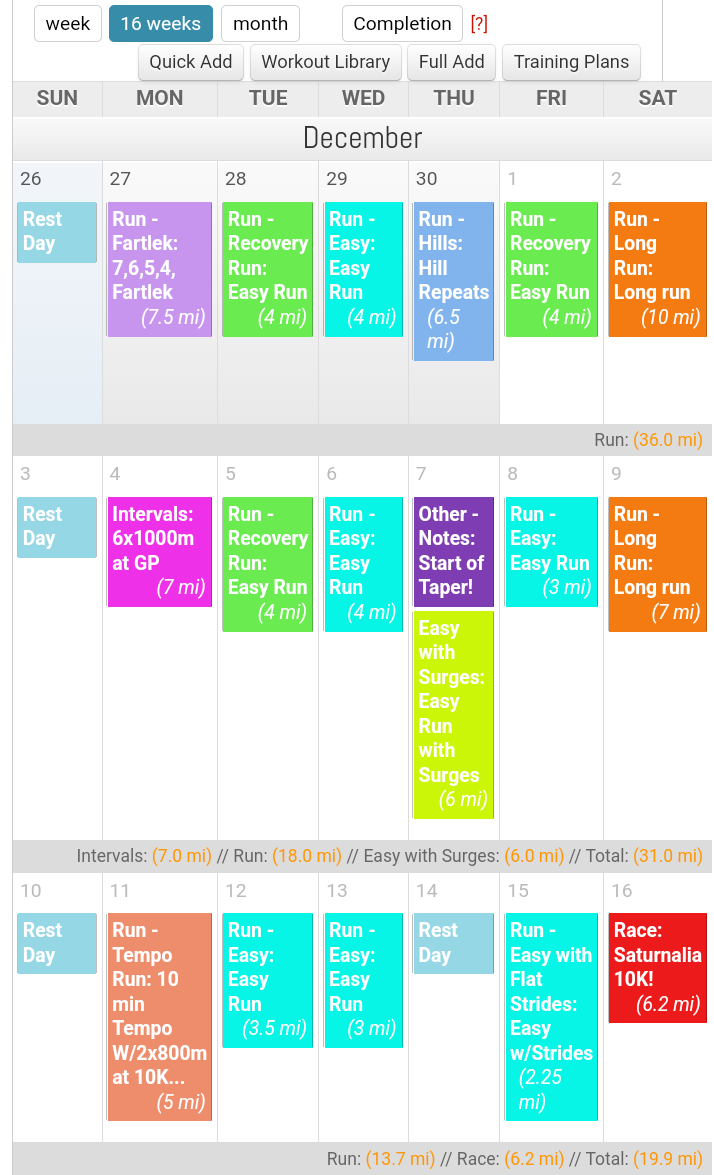
In a world that often emphasizes “go hard or go home,” the nuanced beauty of easy run days can be lost. Yes, they may not seem as sexy or Instagram-worthy as sprint sessions or hill repeats. But literature and experience show time and time again that they’re foundational for progress.

So the next time you head out for an easy run, remember to embrace its pace, enjoy the moment, and know that you’re laying the foundation for countless personal bests to come.

Brant Stachel is a coach with Team RunRun. To learn more about him or to work with him, check out his coach profile.