3 Bests – What aspects of the Suncadia Half Marathon race did you like the most?
Weather was perfect in the 60’s and partly cloudy (the weekend before, it was close to 100).
Elevation was very modest with gain/loss of 800 ft.
The portion of the trail that ran parallel to the river was beautiful.
Not so much – Aspects of the Suncadia race that didn’t do it for you
There were only 2 port-a-potties; found out later that there were more hiding somewhere but I didn’t see them. Pre-race, I was very confused about the course – I always like to look at elevation and figure out how I’m going to run the race using the elevation profile. Since this was a new route/new race for Evergreen, there wasn’t too much information available.
One other thing I wasn’t happy about was the final distance; both the course map on the race website and my watch when I finished the race showed less than 13.1 miles.
Weird factor – What’s the weirdest thing about the Suncadia Half Marathon?
It’s not weird, but the race was located inside a big resort with lots of homes. Although a lot of the race was on trails where you couldn’t see civilization, I would prefer being farther removed from that kind of surrounding.
Highlights of your race – What did you do well and enjoy about your race in particular?
I studied the map and the changes in elevation more than most of my races. I was very aware of upcoming terrain, which helped me keep a steadier pace overall by knowing when to run and when to hike to conserve energy.
In past trail races, I mostly wasn’t aware of what mile I was at or what the distances were of each ascent, so I would get a lot of surprises. This race, I managed to keep track of elapsed distance and course changes. I set a goal to run steadily enough to not have to stop and catch my breath. In past races, I would put in too much of an effort and then have to stop to breathe rather than keep moving. Success! I didn’t stop once to catch my breath. My only stop was at an aid station to grab an orange.
I put alerts on my phone to remind me to drink and to take a gel, which was another lesson learned from my last half-marathon.
A few times, I managed to pass someone I had been following for a while and that gave me a confidence boost.
Last thing I’m happy about is I set sub-goals for my finish-time. Going into other races, I had a vague expectation of where I might finish in time and at the end of the race would be disappointed. This race I established 3 goal options. I really, really wanted to finish in 2:30:00. My C goal was to finish at or just under the same time as my last half, which was 2:44:25. My B goal was to finish in between those two times. I finished the race in 2:25:33, beating my A goal!
Most important course specific knowledge to know about the Suncadia Half Marathon race
This course starts and ends on paved paths, about 1/4 mile each. A big percentage of the race has single track, some with packed dirt and smoothed rocks, some with a more sandy consistency. Then there are a few places where you run on gravel roads, some with ruts. There was this one small rivulet of water that had a log/plank placed over it. When I stepped on it, it gave a little like it was going to break in half. The half marathon did almost a double loop of the 5k course – this was one thing I was confused about prior to the race. The description sounded like we only did the loop once, but the interactive course map showed looping around almost twice.
Aesthetics – Is it a pretty course?
I wouldn’t call it beautiful except for one portion that runs along the Cle Elum River. It’s pleasant enough though to enjoy the journey, a combination of being in shade and being exposed to sunlight.
Difficulty – Is it a tough course?
No, this isn’t tough but it was perfect for me as I build my endurance and mountain legs.
Organized and well run – Did it feel like a well-oiled machine or were they flying by the seat of their pants?
To get to the race start, one drives through the resort for a couple of miles. There were signs showing which way to go until we got to the actual race site. At that point, it was difficult to tell where to park. There wasn’t a final sign pointing to the big grassy area where we were supposed to park. What’s confusing is before you get to that area, there is a big parking lot next to a swimming pool and it looks like it’s the end of the road. I got there at about 7:15 am and the race was supposed to start at 8:30 am. When I arrived, the race was just starting to be set up; they seemed a little behind but did manage to start only a couple minutes late. I would say the organizers were somewhere between well-oiled and winging it.
Competition – Is there a strong field?
I would say no. There were a lot of families attracted to the race as there was also a kid’s run included so it was more low-key.
Logistics – Does it require a special handshake, registration a year in advance, hotels all booked? Give us the low down on the nuts and bolts of making the race happen.
There was an offer when I registered for the race to get a discount to stay at the Suncadia Lodge inside the resort. But I wasn’t sure where I was going to stay at the time so I held off getting accommodations. Later when I decided it would be nice to treat myself to staying at the Lodge, I couldn’t get the discount so I went ahead and got a motel room in Cle Elum which is only about 15-20 minutes away.
Aid Stations – Standard fare or anything special to know about the aid stations in terms of what’s available or when?
Pretty standard fare. I liked that they had oranges cut up – I usually see bananas, not oranges.
Weather and typical race conditions
The typical high for the area in August is 81. About 10 days prior to race day, I saw a forecast for 86 and started getting worried that it would be warmer than I was used to. On race day, I was happy to arrive at the start line with the temperature at 62, partly cloudy. I think the high that day was in the 70’s. Heat wasn’t an issue for me at all but it definitely could be.
Spectators – Is this a friendly course for your friends?
I would say this is a friendly course. One could bring their bicycle and entertain themselves while their friend runs. There are lots of paved paths in the resort that were not part of the race. There was also one intersection of the course that was close to the start line and at about the 3-mile mark of the race where one could stand and spectate.
How’s the Swag?
At the end of the race, I received a wooden coaster with the course etched into it, so not the greatest.
The Overall Score – How many stars do you give the Suncadia Half Marathon race and do you recommend that others run it?
I would recommend this course for beginner trail runners as it’s not technical and the elevation changes are mild. From that perspective, I would give this race 4/5. I’m definitely not advanced but I have a feeling this course would not appeal to those runners.
In this product review, coach Jamie Ness shares his honest experience using Naked Bone Broth Protein Powder to add collagen to his diet. Read on for why Jamie believes in collagen-rich diets, what he loved about Naked Bone Broth Protein Powder, and why he recommends you try it out, too!
When I was asked to review Naked Bone Broth Protein Powder, I jumped at the chance. As an avid reader of nutrition research published by World Athletics, the governing body of track and field internationally, I am always interested in adding healthy components to my diet. In an article titled Nutrition for the Treatment and Prevention of Track and Field Injuries, published in The International Journal for Sport Nutrition and Exercise Metabolism, the authors concluded that numerous studies support the use of collagen to both prevent and treat injuries. Ever since then, I have been enthusiastic about a collagen-rich diet, which bone broth is perfect for.
Bone broth is a great source of collagen, so I have tried a few over the past couple of years. There is no doubt in my mind that injuries heal more quickly when consuming a collagen-rich diet. To review Naked Bone Broth Protein Powder, I consumed it several times before writing the article, although probably not in the most typical manner. With the summer heat on full blast, I did not do a great deal of hot meal preparation usually associated with bone broth. I did however add it to several meals including cottage cheese and tomato, Mediterranean salad, and spaghetti with ground turkey. I also drank a cup straight.
Here is a summary of my pros and cons:
Pros of Naked Bone Broth Protein Powder
The only ingredient is beef broth protein concentrate. In two scoops of powder you’ll get 20 grams of protein, 1 gram of fat, 150 mg of sodium and 80 mg of potassium for 90 total calories. You’ll get nothing else. There are no chemicals, or artificial anything. There is no dairy, gluten, soy or GMO.
You get 20 servings in a 1 pound/440 gram jar making it a lot easier to store than premixed broths that must be refrigerated and take up much more space per serving.
The flavor is great. I would describe it as a smooth, mild, generally good flavor. It is probably the best tasting bone broth I have tried.
Cons of Naked Bone Broth Protein Powder
This stuff is messy. The powder is very fine and kind of sticky. It is easy to get it places you would rather not have it.
Mixing is not as easy as some other powders. Naked recommends using a shaker bottle or a blender to mix. I tried to take a short cut and just stir it. That didn’t work very well so take the manufacturer’s advice for mixing.
It retails for $39.99, which is more expensive than a lot of other options
Overall I think Naked Bone Broth Protein Powder is a quality product. With many years under my belt as both a coach and an athlete, I would certainly recommend it for anyone looking for an easy, flavorful, collagen-rich addition to their diet.
Coach Jamie Ness specializes in holistic training for strength building and recovering from injuries. Learn more about training with him here!
3 Bests – What aspects of the Rodeo Valley Trail Run 50k did you like the most?
The beauty of the Marin Headlands
An August trail 50K that isn’t blazing hot
Well organized from start to finish
Not so much – What aspects of the Rodeo Valley Trail Run 50k didn’t work for you?
I can’t think of one negative thing. It’s such a great trail system that it is pretty busy with other hikers, runners and mountain bikers.
Weird factor – What’s the weirdest thing about this race?
It’s along the headlands so parts of it are rocky, dry and warm. But then the trail dips down into little patches of rainforest where it is humid, foggy and muddy.
Highlights of your race – What did you do well and enjoy about your race in particular?
It is hard to complain when running along the Marin Headlands, it is very motivational.
Despite getting behind on calories and getting overheated I took some time to figure it all out and bounced back to finish strong.
Took a lot of photos, just had to stop and enjoy the moment quite a few times.
Lessons for others – Share your pro-tips on the Rodeo Valley Trail Run to help the next runner
Although there is “only” 5,600+ feet of climbing on this course, it feels like much more.
It felt like the course was either going UP or down.
Those little 500 foot climbs in 1/2 a mile are brutal.
But, on the other hand, be ready to run those downhill sections!
Lessons you learned that will help you next time around
Although it is foggy and misty, it was much warmer than I realized.
Sweat had totally soaked my shirt and shorts by mile 3 and although I never saw much sunshine, I got sunburned.
You need to stay ahead on hydration sooner than you think.
Although the course has some rocky sections, there is also some downhill on asphalt so I’d wear shoes with more cushion.
Most important course specific knowledge to know about the Rodeo Valley Trail Run
Be ready for those punchy uphills, they caught me off guard.
The course markings are interesting, they mark the course with pink/orange but they also mark where you aren’t supposed to turn with blue. Many intersections were marked with a bunch of blue ribbons, on the trails NOT to take, but no pink/orange ribbons were used.
Aesthetics – Is it a pretty course?
It’s gorgeous! It starts just up from a beautiful cove at Rodeo Beach. The course runs along miles of beautiful Marin Headlands single-track with views of the Pacific ocean, San Francisco and the Golden Gate Bridge.
Difficulty – Is it a tough course?
The Rodeo Valley Trail Run 50k isn’t an easy course, but those steep pitches and the heat and humidity of an August run make it challenging.
Organized and well run – Did it feel like a well-oiled machine or were they flying by the seat of their pants?
Super well run race. Good communication, great parking, start/finish had everything, well marked, friendly volunteers, etc…
Competition – Is there a strong field?
There were a half-dozen “professional runners” out there and quite a few fast folks. But there were also quite a few 50k runners that didn’t make the cut-off and dropped to the 30k. So it had a bit of every type of runner.
Logistics – Does it require a special handshake, registration a year in advance, hotels all booked? Give us the low down on the nuts and bolts of making the race happen.
Besides the fact that the race organizer “Inside Trail” wasn’t well known to me, it was easy to get in. I knew I wanted a race close to San Francisco, found it on UltraSignup’s search function and signed up about a month out.
Aid Stations – Standard fare or anything special to know about the aid stations in terms of what’s available or when?
They didn’t have a lot of items, but just enough. Not a lot of “real food”, more like goldfish and cookies.
Also, they are totally cupless. Some races say they are but still have some cups.
If you want a sip of Ginger Ale or other pop, have your cup with you.
Weather and typical race conditions
Summer in San Francisco can be pretty foggy, as was the case this day. 70 degrees and misty. But then for a few hours the fog burns off (mostly) and it warms up, but is still pretty humid.
Gear – Did you need anything special or is there anything you’d recommend for the next runner?
Bring a personal cup.
Put on sunscreen even if it’s foggy.
Lube up well, all that sweat can cause problems.
Wear shoes with good cushion for those asphalt downhills.
Spectators – Is this a friendly course for your friends?
I don’t think it would be very easy to drive to other spots to see the runners. But, the race starts and finishes at a beautiful beach (and the 50k passes by at mile 18). So it would be a great spot to watch the start and then explore the beach and trails.
How’s the Swag?
50k racers got a Rodeo Valley beer glass, a high quality cotton t-shirt and a medal. And the finish line was stocked with food and drinks. Post-race burritos, pop, chips, and beer! It’s not swag, but sure was nice!
The Overall Score – How many stars do you give the Rodeo Valley Trail Run 50k and do you recommend that others run it?
5/5. I flew down to San Francisco from Seattle, mostly to run this race and it was worth it.
3 Bests – What aspects of the race did you like the most?
1. I would say the scenery for this one, except the race directors had to reroute our course due to flash floods in the area, taking us off the most scenic ridge lines of the day, but it was still beautiful in many areas.
2. The atmosphere with the other runners. Everyone was high energy, good vibes, and friendly.
3. The aid stations. Well positioned, well stocked, helpful attendance.
Not so much – Aspects of the race that didn’t do it for you
The high altitude doesn’t do it for me. I have lived and trained my entire life mostly at sea level and the highest I usually get on local mountains is 4K. This race didn’t dip below 8K and averages 10K above sea level. It took its toll on me.
Weird factor – What’s the weirdest thing about this race?
Running through so many cow pastures. You will see roaming cows and you will step in more than one cow paddy.
Highlights of your race – What did you do well and enjoy about your race in particular?
I pushed through a rough day of G.I. issues for 1/2 the race, high altitude fatigue, and coughing fits. I am pleased that through many issues to finish and it was a testament to my fitness that I was able to do so.
Lessons for others – Share your pro-tips on the race to help the next runner
Be ready for tough climbs in the first 50K of the race. There are several of them and one on the normal course that would take you at a 40% incline. Take your time, pace yourself, and be prepared to run on tired legs. There are a lot of dirt roads and rocky terrain, be prepared with cushioned shoes and be prepared to adapt to changes/challenges the race day may toss your way. This weather can change quickly.
Lessons you learned that will help you next time around
I will not spend a week ahead of the race at altitude. It wasn’t enough time for me to acclimate. I believe I would need 3 weeks to do so. All my week did for me prior was lead to fatigue early in the race. I will go out the day before and immediately race.
Most important course specific knowledge to know about the race
Be prepared for change. The weather is the most unpredictable part of this race. It was supposed to be rainy and windy all day on us but it turned out to be hot and sunny for most of it. The last climb of the day brought the hard winds, rain, slick rocks and mud. Then the storm moved out and we had clear skies and stars to start the night. Bring what you need in your drop bags or on you for all weather conditions.
Aesthetics – Is it a pretty course?
Even with the course changes it was still a pretty course. On a normal year, I can imagine it is stunning.
Difficulty – Is it a tough course?
Yes, this is a difficult 100K. One of the hardest I have done. Early climbs leave you exhaust for later when you want to be running.
Organized and well run – Did it feel like a well-oiled machine or were they flying by the seat of their pants?
This was a well oiled machine. They had to change the course at the last minute.
Competition – Is there a strong field?
I don’t think there were any big pro-names out there, but the 90 people that finished before me all seemed strong to me! Most of the the competition is from CO or CA.
Logistics – Does it require a special handshake, registration a year in advance, hotels all booked? Give us the low down on the nuts and bolts of making the race happen.
It didn’t seem that difficult to get in. Town is small and offerings of hotel is limited, I imagine they sell out quickly but I booked 6 months in advance so had no issues. There seems to be lots of camping options/space. There were cool yurts at the State Forest State Park campground that looked cool and I definitely think they sell out quick.
Aid Stations – Standard fare or anything special to know about the aid stations in terms of what’s available or when?
Aid stations were well stocked and had just about everything anyone would need. Hot foods, soups, fresh fruits, standard array of junk food, chips, cookies and candy. Well managed and organized to get runners in and out. Volunteers even grabbed my drop bags as I was approaching and had it ready to hand to over as I came in.
Weather and typical race conditions
The weather can be anything. Just come prepared for it all and roll with the punches.
Gear – Did you need anything special or is there anything you’d recommend for the next runner?
There was a required list of gear due to the events in China. Required Gear: Jacket (Wind/Waterproof Recommended), Warm Hat/Beanie/Buff, Gloves, Whistle, Reusable Cup, and Water Capacity of 32oz/1L.
Spectators – Is this a friendly course for your friends?
Yes, seemed to be 3-4 options for friends and family to easily see runners at aid-stations. The middle aid station did require spectators to hike a couple miles in, but others were able to drive to on dirt roads. The runners handbook does an excellent job explaining how and where spectators can be and easily get to.
How’s the Swag?
Meh, nothing special or out of norm. I got one discount code for v-fuel and a t-shirt. Wooden finishers plague if you finish.
The Overall Score – How many stars do you give this race and do you recommend that others run it?
I would give this race 4 out of 5 stars, and it might be 5 out of 5, if I had been able to run the more scenic course. If you love a challenge and are good with altitude and runnable terrain this race is for you.
3 Bests – What aspects of the race did you like the most?
It’s a small local event with a great community feel. It traverses some really cool terrain with rocky climbs and descents, multiple creek crossings and some fast, flowy hills through open paddocks. It’s also an event where people can run with their dogs which gives a unique feel.
Not so much – Aspects of the race that didn’t do it for you
This year the 30k was cut short and only covered 24k due to some access issues with neighboring properties.
Weird factor – What’s the weirdest thing about this race?
The dogs! Dogs are allowed to run the race with their owners and the first three dogs in each race get a trophy! There was even a dog masseuse on site!
Highlights of your race – What did you do well and enjoy about your race in particular?
The 30k race was two loops of 15k (12k this year!) and my goal/plan was to negative split them. I managed to achieve this by around two minutes, even though I was running faster than planned as I was at the front of the field.
Aesthetics – Is it a pretty course?
It doesn’t compare to some mountainous courses but it’s a quite pretty course in its own right some some great views of the nearby Barrington Mountains and some really cool creeks.
Difficulty – Is it a tough course?
It’s not particularly tough, although there are two short, steep climbs which get the heart racing.
Organized and well run – Did it feel like a well-oiled machine or were they flying by the seat of their pants?
The race is run by a local company which specializes in smaller, community running events. This is the second of their events I’ve run and it was really good – I’m keen to do some more in the future.
Logistics – Does it require a special handshake, registration a year in advance, hotels all booked? Give us the low down on the nuts and bolts of making the race happen.
The race is a little remote (about 1.5hrs from the nearest large city) but it’s held partly on the property of a resort/campground. If you want to stay the night in a cabin it’s worth booking well in advance.
Aid Stations – Standard fare or anything special to know about the aid stations in terms of what’s available or when?
There are two aid stations on each loop, and both are stocked with water, Tailwind and fruit.
How’s the Swag?
The finisher medals are really unique and are hand-painted by the RD’s family. The trophies are also kind of shaped like dogs which is cool.
The Overall Score – How many stars do you give this race and do you recommend that others run it?
I’d definitely recommend any local runners give this event a go and support a local company!
3 Bests – What aspects of the race did you like the most?
The camaraderie is top notch and really second to none. Something about running through the night while sleep deprived really brings out the spirit amongst teammates and other runners alike. Seeing all the creative costumes, van decorations, and team names is always a sight to behold as well. The team component is unique and gives the feeling of running for something greater, a sensation lost among many once a runner’s competitive scholastic days are over. The times while your van is on break can be both functional and fun. After our first cycle, our van made a side trip to Crater Lake, hiking down and sticking our feet in, which was a lot of fun. The finish in Bend is basically one big party which is always fun and the entire team meets their anchor runner at the end to run across the finish line together, which is pretty cool too. Running in the middle of the night is always a blast and there is picturesque scenery to enjoy throughout the race. I’d say CLR has a leg up here on Hood to Coast both in terms of scenery and in being less commercialized (and in turn, less crowded).
Not so much – Aspects of the race that didn’t do it for you
This was a unique situation this year due to the Bootleg Fire but the first 14 legs were all relocated to running laps around Diamond Lake, which was a very good and understandable reason to adjust the route but made for a somewhat mundane start that didn’t quite have the same relay feeling as it would have otherwise. Similarly once finishing at Diamond Lake, teams would then have a pause and would have an assigned restart wave at Fort Rock to resume the race. It was nice to enjoy Diamond Lake more than normal and while this wasn’t a problem for our team, other teams didn’t always make it to Fort Rock in time for their restart wave. However major props to the race organizers for closely monitoring the wildfire situation and taking precautions to keep everyone safe while still holding the race in person. Organizing and putting on an overnight relay race is no small task and is quite the feat to pull off in itself never mind factoring in the curveballs that were thrown this year due to the wildfires.
Weird factor – What’s the weirdest thing about this race?
Did I mention the fact that you are running through the night? Being an approximately 200 mile event (216.6 in normal years, 191.3 this year following course revisions), your team is typically running a full day if not longer in order to complete the race. Running in the middle of the night isn’t actually as bad as it sounds. It is actually pretty peaceful running in a rural forest area on a clear night. Some teams particularly embrace the weird as this year one van was converted into what resembled a double decker bus complete with lights and music blasting that resembled a dance party. One of the major van exchanges that usually occurs in the night also takes place with a backdrop of flashing lights with strobe lights across the night sky and of course music (this being the midnight rave at the end of leg 18 going into leg 19). Also expect to find other team’s stickers/magnets on your van, some truly outrageous costumes on the costume leg and your fair share of impromptu tunnels being formed to cheer on an incoming runner.
Highlights of your race – What did you do well and enjoy about your race in particular?
Overnight relays are really a delight and a highlight on the yearly running calendar. Even on minimal sleep, you can do some pretty amazing things. I enjoy the unique challenges that are imposed in these types of races. We only had 11 runners on our team instead of a full 12 so myself along with 2 others were given the task of running an extra 4th leg for our team. Even though my training has lacked specificity, I was pleased that I was able to stay at a fairly consistent pace throughout the event regardless of various distances and terrain I encountered on each of my legs (not to mention the altitude we were running at was consistently around 5000 feet give or take a few hundred feet each direction). I was able to stay the course and stay tough even when it got hard towards the end as I knew we were doing really well as a team and I wanted to come through for my team. I also like how while still being competitive, there is a great deal of support around you from your own team and others. The volunteers are also amazing and the race wouldn’t be possible without them.
Lessons for others – Share your pro-tips on the race to help the next runner
Definitely make sure to have a stash of snacks (both healthy snacks along with other snacks to satisfy hankerings your bound to encounter) and fluids on hand. Hydration is important not just during the event but in the entire week leading up to it. Keeping running clothes in separate Ziploc bags also help keep you organized so you’re not scrambling before your next leg and help mitigate the smell in the van of everyone’s sweaty running clothes. Sleep is hard to come by so get it while you can and also make sure that you are stretching and rolling out regularly. It doesn’t take much for your body to seize up and Charlie-horses to ensue from all the sitting in the van you’ll be doing. Likewise for sleep, take advantage of comfy settings if you have access to them or don’t be afraid to leave the van at designated sleep areas and sprawl out a sleeping bag or blanket to get more comfy. Just make sure you have a way to communicate with teammates or utilize the buddy system so you know when to head back and catch your van when it is time to leave.
Lessons you learned that will help you next time around
On the first leg, my back started to hurt midway through. I’m certain that this was because when camping the night prior, I was just in a sleeping bag with no sleeping pad underneath. This will help me rethink what I pack and the way I pack. Our team also had the experience this year of locking the keys in the van so make sure to know where “key” belongings are at all times or have someone in the area to ensure things aren’t left unattended. This happened as I was set to run next. Amidst the chaos, I nearly missed the exchange. Fortunately my leg was the last one in the cycle so we had a few hours to work with but a teammate had to get a ride from another team in order to find cell service to call Triple A (this all happened in a rural forest area around 2 AM where cell service was hard to come by). Despite being a Van 1 runner, I was adopted by Van 2 for a few hours in case I was needed to fill in to start the next Van 1 cycle. Fortunately, Triple A arrived and we got the problem resolved before our van was due up to run again. We didn’t get as much sleep on that break as we would have otherwise but it makes for a standout memory and something we can laugh at in hindsight (just not so much in that moment when it was happening). All in all, a memorable way to roll into the infamous rave exchange.
Most important course specific knowledge to know about the race
There are 36 legs and each van takes turns alternating in cycles of 6 legs (like Hood to Coast). Each leg has its own rating based on elevation profile, surface, and distance. Ratings range from easy to WTH (only one such leg this year as the other was scrapped due to the course revisions). There are only two legs in a typical year with the WTH rating. One runs up Mt. Thielsen then flies down the other side while the other climbs up to the west village at Mt. Bachelor. The last 6 legs coming down Bachelor have plenty of downhill coming down into Bend. Surfaces tend to be road, gravel/trail, or a mix. Not so much a problem this year since we had some rain but some of the trail legs can get dusty particularly in the heat.
Aesthetics – Is it a pretty course?
Absolutely there is lots of scenery to be enjoyed throughout the event as it is a pretty course highlighting some of the finest nature central Oregon has to offer. There is a lot of picturesque mountains in the area while on the other hand there are plenty of lakes to enjoy as well (as suggested in the race name). The rural towns and the forested areas are also a delight to run through as well. Communities along the route really embrace the event and support it whole-heartedly.
Difficulty – Is it a tough course?
Depending on your leg assignments it can be a difficult course but it really varies. Even on some of the legs that have a moderate rating, there can be some deceptive climbs that can surprise those who aren’t prepared for them. I also firmly believe some of the ratings of the legs are given because of where in the race they come up. Towards the end, everybody is tired and that can make every incline seem more steep than it really is.
Organized and well run – Did it feel like a well-oiled machine or were they flying by the seat of their pants?
Yes I’d definitely describe CLR as a well-oiled machine as the event is well-organized. This was the 14th year of the race so they have logistics down pretty well and were even able to adjust on the fly when it came to making modifications as a response to the wildfires. During the Diamond Lake section, they had organized shuttles to take runners back and forth between the main start area and the other exchange zone along the lake. Course markings are always clear with signs and flagging, depending on where you are on the course and often have helpful volunteers around as well to offer support.
Competition – Is there a strong field?
Competition is usually pretty strong. An average year usually has around 200 teams. There were a little less this year but our team placed 4th overall (and 3rd in the always competitive Open Mixed division)! As a team, we averaged 7:22 pace (which would have met the cutoff of 7:30 pace for consideration in the Elite division). There was only one team in the Elite division and they were well out in front by a substantial margin until it dropped back to the group of three teams (us included) that were all relatively close to each other. Start waves are organized by projected finish time with faster teams starting later and slower teams starting earlier. The top 8 teams were all in the last start wave (which this year was 9:00 AM Friday morning).
Logistics – Does it require a special handshake, registration a year in advance, hotels all booked? Give us the low down on the nuts and bolts of making the race happen.
There is a cap to the number of teams so it is recommended to register as soon as registration opens (usually October or November of the year prior). The race website does a good job of listing key dates along the way to be mindful of, such as when registration deposit is due, registration balance is due, deadline for timesheets, registering and submitting shirt sizes etc. so it is always good to review that so you aren’t surprised by anything. Most teams (ours included) usually camp at Diamond Lake the night before so reserving a campsite or two with plenty of advance notice is also helpful. Don’t rely on the resort where the start line is as that fills up quicker and has more limited space than the campground.
Aid Stations – Standard fare or anything special to know about the aid stations in terms of what’s available or when?
There are no designated aid stations with the exception of certain legs that particularly call for them. Carry water with you if you think you’ll need it or if the leg can be accessed by van, have your team supply you with water, energy chews, or whatever else you might want or need. Our team often asks our runner this question at least once, sometimes more if the leg is particularly demanding. More often than not we stop along the way in order to supply our runner with water or anything else they need.
Weather and typical race conditions
Usually it is pretty sunny and warm. We did encounter some rain this year, which was a welcome sight considering the wildfires in the area. There was even some fair share of overcast particularly in the morning which actually made for some pleasant running conditions. It would usually burn off in the afternoon but the cloud cover also kept in the heat we received in the day, which made for overnight temperatures that weren’t too cold as we were out running in the night.
Gear – Did you need anything special or is there anything you’d recommend for the next runner?
Everyone needs to have a headlamp/flashlight and reflective vest with them in order to participate. They ask for 12 vests and a minimum 2 headlamps or flashlights at team check-in on Thursday night. You may have designated vests with the flashing red lights that people swap around to run in but your personal reflective vest will come in use whenever you’re not running but you step out of the van. Not to mention you’ll run with your personal headlamp or flashlight. Like how it is recommended to have different running clothes for each leg, you may want to bring multiple pairs of running shoes (like a pair of flats or a trail shoe in addition to standard trainers), if not, then a minimum of one pair of running shoes and a pair of sandals for when you aren’t running (which is a good idea regardless of how many pairs of running shoes you bring).
Spectators – Is this a friendly course for your friends?
Actually if you do your homework, this can be considered a spectator friendly race if the spectator is truly dedicated. While the race isn’t typically thought of as spectator friendly, the mother of one of our team members followed along with us this year in her own car and cheered us on. She car camped Thursday at the same place we were camping, then followed along the route meeting us at various exchange zones, then again at the finish. So I learned first hand this year that spectating for an overnight relay can be done with the right preparation.
How’s the Swag?
The swag is great, teams get shirts for every member after finishing along with a results ticket and finisher medal (we got CLR medals this year for 2020 and 2021 as our team was registered for the 2020 race as well). There’s also vendor samples (such as a CBD muscle massage oil this year) along with food and beer (finishers receive one beer token, after which you pay for yourself). Also Thursday night before the race, they have bins full of past year’s shirts that they give away for free. They also sell sweatshirts before and after the event as well.
The Overall Score – How many stars do you give this race and do you recommend that others run it?
Five stars – I can’t recommend this race enough. While it may seem daunting or intimidating, it can be very achievable with a solid training base under your belt. Crossing the finish line and getting a team photo after any overnight relay is very satisfying and you’re also sure to make memories that will last a lifetime as this is more than just a race, it is an experience.
Brian Comer is a coach with Team RunRun. To learn more about him or to work with Coach Brian, check out his coaching page.
3 Bests – What aspects of the race did you like the most?
The rain held off longer than expected so we had nice lower than normal temps and good cloud cover. I’ve run this in the heat and it’s not nearly as “fun.”
Nothing compares to cresting that last hill around mile 40 and knowing that you have an all down hill speed derby to the finish.
This race was won with poles for me. I ran it without using poles until much later in the race 2 years ago and this time they came out right away and it was like using the escalator to peak.
Not so much – Aspects of the race that didn’t do it for you
Someone took my poles at an aid station! It wasn’t a busy race and at 16 miles in I put my poles down to refill waters and get a snack, came back to continue onwards and my poles were gone. Luckily there was only one person in front of me who I remembered had poles of his own. I searched with the help of the aid station volunteers and we found his poles nearby. I caught up a few miles later just as he realized his mistake and started inspecting his poles. Merriment ensued.
Weird factor – What’s the weirdest thing about this race?
It always rains and has heavy to severe thunderstorms. This year was a little earlier than normal and they had to stop people from summiting Mt Rosa at a few points.
Highlights of your race – What did you do well and enjoy about your race in particular?
I really nailed the power-hiking aspect of this race. There is a lot of uphill on fire roads and you can get some breezy uphill miles out of the way with a solid rhythm. My overall favorite aspect of this race is the 10ish miles of fully runnable downhill at the end. I wish all races ended this way.
Lessons for others – Share your pro-tips on the race to help the next runner
Run uphill sprints and run downhill sprints in training. Do them a lot.
Lessons you learned that will help you next time around
I was told at mile 28 that we wouldn’t be allowed to summit Mt. Rosa but when I made it to the Rosa out and back they said we now could summit. I was surprised at how mentally devastating it was to me to now have to summit. That part of the course is the most technical uphill and at mile 35.5 and I didn’t summit last time because of lighting. I attempted to summit and was so overwhelmed with this late in the game change that I only made it about 1.0 miles up out of 1.5 before I had to turn around. I didn’t have any climb left in me. Ignore the course updates and assume you’re going to climb Rosa and save some climb and special treats for that effort.
Most important course specific knowledge to know about the race
Deer Park aid station has 2 out and backs plus there is a drop bag station. I found great success in leaving my longer range gear at the aid station, using poles for the first out and back and just a small bottle, snacks and no poles for the second. It gives you a nice break from a running vest and that second 6 mile out and back isn’t nearly as hilly as the rest of the race.
Aesthetics – Is it a pretty course?
It has a lot of fabulous views of Colorado Springs and the surrounding peaks. Very scenic if there is no cloud cover.
Difficulty – Is it a tough course?
Yes. Some years the rain is much later in the day and if there is no cloud cover it can be in the mid 80s. Because it’s a lot of fire roads there can be a LOT of direct sun. Not a difficult technical course but it just keeps going up.
Organized and well run – Did it feel like a well-oiled machine or were they flying by the seat of their pants?
Absolutely well organized. Mad Moose does a great job and this race is no exception. They know the weather challenges, the aid stations are the appropriate distances and the course is well marked.
Competition – Is there a strong field?
Not this year but in years past there has certainly been. I have no business being in 13th place!
Logistics – Does it require a special handshake, registration a year in advance, hotels all booked? Give us the low down on the nuts and bolts of making the race happen.
Easy to book, hotels and airbnbs nearby, easy to park and the start is even on google maps.
Aid Stations – Standard fare or anything special to know about the aid stations in terms of what’s available or when?
Standard fare.
Weather and typical race conditions
Hot, then slightly cooler, then lots of rain and lightning.
Gear – Did you need anything special or is there anything you’d recommend for the next runner?
Poles are the secret weapon here. Must also carry a rain jacket.
Spectators – Is this a friendly course for your friends?
Not really. Only at the start/finish.
How’s the Swag?
Just a medal and a T shirt, both of which are pretty standard.
The Overall Score – How many stars do you give this race and do you recommend that others run it?
If you want the accomplishment of running a 50 miler and throwing yourself down the mountain for 10 miles in the rain at the end, this is your race.
3 Bests – What aspects of the race did you like the most?
The course was beautiful!
The aid stations were awesome!
The course was challenging but still runnable.
Not so much – Aspects of the race that didn’t do it for you
I can’t think of anything, pretty much liked everything about this race. The only thing that kinda bummed me out was not getting a Western States qualifier. This race needed 100 finishers to do that, and only 76 finished.
Weird factor – What’s the weirdest thing about this race?
Not weird, but kind of funny to me was running around the finish area for the last 6-7 miles. You could see it down the hill a ways, but you also still have several miles to go before you actually get there. You can hear the excitement of the finish line for most of it. It was like calling the horses to the barn for me personally, but some others out on the course didn’t seem to enjoy it as much. Also funny, we all took the same selfie at the same waterfall.
Highlights of your race – What did you do well and enjoy about your race in particular?
I paced it well from the start being cautious for quite a while since it was my first shot at the distance and I really wanted to finish. I felt like I trained and prepared well for what my scheduled allowed, and my legs were surprisingly strong all the way through the race. I was able to problem solve the few issues I had successfully (missed my crew at the 30 mile aid, and a pre-existing ankle issue), had to improvise nutrition a bit but was on point with it and kept my stomach in check for the most part. Mentally, I kept my mind in a positive space and grew more confident as the race went on. I was able to finish really strong and felt like the last 24 or so miles were the best part of the race for me.
Lessons for others – Share your pro-tips on the race to help the next runner
Get on your pace early on, and by that I mean know what that long ultra pace feels like because it will pay huge dividends at the end of the day. Practice being patient in your training, get your power hiking strong and know the course and the aid stations. Know your body and be prepared to improvise and problem solve because nothing ever goes totally as planned in these things. Have your mindset right and visualize prior to race day how you want your day to go. I didn’t feel great at the start, it took about 15-20 miles for me to get going, which was kind of worrisome, but once it started clicking I got more and more confident.
Lessons you learned that will help you next time around
For me personally, every time I felt like stopping I ran instead which made hiking seem like a break. I got really efficient at the aid stations, kept my body fueled, and I’m finally getting good at managing my stomach which has previously held me back performance wise. I also found I can push the downhills harder than I would’ve thought throughout the whole race. I changed some things up in training that also made a big difference for me, kind of went outside the box with that and it paid off.
Most important course specific knowledge to know about the race
The first couple miles of this race are steep and slow, take your time. You also need be cognizant of the last climb coming out of the mile 51 aid station. It can be a butt kicker, especially at that point in the race. It’s fairly steep and it goes on for a long time. I’d say most of this race is runnable. Other things to watch out for would be the middle 17-18 miles, there’s only one aid station from mile 21 to mile 39 so make sure you’re topped off and fueled up going out of the mile 21 aid and the mile 30 aid. Also, make sure your crew knows how long it takes to get to the mile 30 aid station. I almost brought a back-up drop just in case I came in fast (which I did), but then decided not to since I figured my crew would be there ( they were not… ). Several crews mentioned it took a lot longer than they thought to get up there, GPS/phone signal not working great in that area either, so just be sure to know the way up.
Aesthetics – Is it a pretty course?
Oh man, this was one of the most beautiful courses I’ve ever done! Views all over the place from Mt. Hood Meadows to the ridges, and even the Forest Service roads. This race should grow in popularity on this factor alone.
Difficulty – Is it a tough course?
Yes, tough but not brutal. I thought it was a great challenge but didn’t feel like a sufferfest. It does not let up a whole lot though, you gotta work from start to finish on this one. 22 of 98 starters dropped.
Organized and well run – Did it feel like a well-oiled machine or were they flying by the seat of their pants?
Daybreak did a fantastic job! I feel like these folks keep getting better at each race. The aid stations were fantastic! They did a great job managing COVID precautions while providing excellent assistance to all the athletes, really engaging fun people at each station too. They certainly made the race more enjoyable. I’m always grateful to the aid station crews at every race, but I thought these were exceptionally done.
Competition – Is there a strong field?
Yep. Quite a few fast people out there for a small field in the 100k. Local boys held it down hard.
Logistics – Does it require a special handshake, registration a year in advance, hotels all booked? Give us the low down on the nuts and bolts of making the race happen.
This race did not fill up, very easy to get into. It was only the second running of the 100k, but I think it will get bigger as it’s such a good race. The 50k race had a much bigger field.
Aid Stations – Standard fare or anything special to know about the aid stations in terms of what’s available or when?
As mentioned, the aid stations were great. Standard fair though, COVID has certainly changed what we can expect at most races, but I think these guys did a fantastic job. The large field of the 50k went through a bunch of the food and water, so the 100k racers on their way back didn’t have a totally full spread, but it was plenty. A couple of us got some PB&J sandwiches without any PB&J… it was kinda funny.
Weather and typical race conditions
This is probably very subjective, but I thought it was perfect. It was warm in the morning, right around 70 degrees. It rained periodically, which made for a warmer very muggy afternoon. Overall, a cool PNW summer day. It was a great relief from the 90’s that were forecast. Pretty smokey though. Air quality was fine, but it hung pretty heavy throughout the day.
Gear – Did you need anything special or is there anything you’d recommend for the next runner?
Nothing special, but you need your headlamp for the morning. It’s required gear if you’re leaving the mile 51 aid station after 5pm.
Spectators – Is this a friendly course for your friends?
Sort of… the start/finish area at the ski resort is very spectator friendly and you can get up to the Timberline aid station if you wanted. There were quite a few people at the Surveyor’s ridge station and Elk Meadows was a good place for family and friends too. My family had a good time out there, and my kids didn’t want to leave the playground after the race.
How’s the Swag?
Everyone got some nice socks, a beer glass, and a post race meal ticket. You could also purchase some other things form Territory Run Co., I got a really nice t-shirt.
The Overall Score – How many stars do you give this race and do you recommend that others run it?
5 out of 5 stars for sure! I think both the 50k and 100k are cool races, the course is fantastic with tons of views and an excellent challenge. Most everyone I spoke with afterwards loved it.
Frank Fisher is a coach with Team RunRun. To learn more about him or to work with Coach Frank, check out his coaching page.
3 Bests – What aspects of the race did you like the most?
1. The course is beautiful and fast.
2. The race was well stocked at aid stations and finish and plenty of bathrooms at start.
3. Communication for logistics with race organizers was good and was also well executed on race day.
Not so much – Aspects of the race that didn’t do it for you
The tunnel does crazy things to GPS so it was disappointing to not have mile markers in the tunnel. I was using a pace band and the mile markers especially later in the race seemed off as I’d be +10 seconds 1 mile and -20 seconds the next mile while running with others. Not a big deal if you aren’t having a bad GPS day, but was challenging day without a reliable way to know how fast you’re going. They charge $25 for race day pick-up. I ran The Super Marathon in June and it was free and easy race day pick-up. Saved me an hour and a half on a Friday.
Weird factor – What’s the weirdest thing about this race?
Setting my alarm for 3AM for a 4:30 bus for 6:30 start for a race that’s 45 minutes from my house! You have to take a shuttle bus from North Bend to start AND from finish back to parking area (about 2 miles).
Highlights of your race – What did you do well and enjoy about your race in particular?
I finished sub 3 which was the goal! I ran a pretty smart race despite GPS challenges. Thankful for pace band. Very thankful for the guy who finished just ahead of me to push me along in 25+ when I thought sub 3 was out the window.
Lessons for others – Share your pro-tips on the race to help the next runner
Be ready to switch back and forth on the trail based on where the best footing is out there. If it’s warm, half the trail is often in the shade. If the footing makes sense, stay in the shade. The last 5 miles are steeper downhill, but they seem flat!
Lessons you learned that will help you next time around
Just don’t give up. Keep mentally strong.
Most important course specific knowledge to know about the race
If it’s foggy in the tunnel from your breath, use your headlamp as a hand held. It’s hard to pass in the tunnel so this isn’t a race you want to start in the back. Make sure you start with people of your ability or your first 3 miles could be off pace or you can turn an ankle trying to zig zag in the tunnel.
Aesthetics – Is it a pretty course?
Very pretty. But consistently pretty. If you’re from the PNW, it’s not spectacular, but very pleasant.
Difficulty – Is it a tough course?
It’s a fast downhill course. I think recent trail running with good, hard downhill training will keep you from blowing up. I lost all but 1 of the pace group we were in late.
Organized and well run – Did it feel like a well-oiled machine or were they flying by the seat of their pants?
As mentioned above, good communication and execution.
Competition – Is there a strong field?
I’d say average. 2:59:53 was good for 23rd out of 436.
Logistics – Does it require a special handshake, registration a year in advance, hotels all booked? Give us the low down on the nuts and bolts of making the race happen.
I registered less than a month out. The Saturday race and both half marathons were sold out, so register early to pick your day/race distance. For the shuttle bus, you have to pick a time at registration. Because I registered late, only the very early buses were available, leaving me at the start line for 90 minutes. There are no vendors or services at the start line, so all you can do is stay loose and talk to other runners.
Aid Stations – Standard fare or anything special to know about the aid stations in terms of what’s available or when?
Aid stations every 2 miles. Some had 2 volunteers, some had 1. Be prepared to get your own drink from the table. About half of them were actively handing out water/Gatorade. No gels.
Weather and typical race conditions
Good PNW weather. 50’s at start and low 60’s at finish on a day with 81 as the high.
Gear – Did you need anything special or is there anything you’d recommend for the next runner?
Bring a headlamp. This race allows you to put your headlamp and put into bag for collection at end of race where others make you carry it or ditch it. I took a $10 headlamp to ditch and was fine. If you want tons of light, then make sure you write on ziplock bag before race and carry in an accessible spot for collection at exit of tunnel.
Spectators – Is this a friendly course for your friends?
Poor for spectators during the race as it’s a point to point. Not a crowded race, so good for spectators to meet you at the finish line.
How’s the Swag?
Standard medal and swag bag. Tech tank top that’s decent quality. For $150 after fees, anything less would be cheap.
The Overall Score – How many stars do you give this race and do you recommend that others run it?
4/5. The greatest draw to the race is the course. Flat for 3 miles and then gradual downhill. Lot’s of BQs were obtained. But the race organizers add nothing to give the race personality/make it memorable.
3 Bests – What aspects of the race did you like the most?
1) It is as advertised. It’s a super casual, support-yourself, have-fun-in-the-mountains type of race.
2) The course is BEAUTIFUL.
3) The people are wonderful. Rich and his team are great, and pretty much everyone who shows up to run is super nice.
Not so much – Aspects of the race that didn’t do it for you
I’m not sure there is anything that didn’t do it for me. It’s a great experience all around.
Weird factor – What’s the weirdest thing about this race?
The aid stations are advertised as “gas stations in the woods” and they deliver. I’d say they are like a good AM/PM.
Highlights of your race – What did you do well and enjoy about your race in particular?
I went into this as a training effort for Cascade Crest. I wanted to pace myself well, focus on nutrition and hydration, and finish feeling good. I feel like I did those things well.
Lessons for others – Share your pro-tips on the race to help the next runner
It is as advertised. It’s not under-sold! If you show up to rely (mostly) on yourself to spend a day in the woods getting through 33 miles with what’s on your back you’ll have a great time. Oh, there is a decent amount of water on the course, so if you bring a filter you’ll never be too far from something to drink.
Lessons you learned that will help you next time around
The climbs are no joke, but the descents are for real, too. What goes up…
Most important course specific knowledge to know about the race
I feel like we all know about how hard the course is, but the aid stations are around 12.8 and 24.9 miles, so there’s a good distance and about 5000′ of climbing between each one. So plan your nutrition accordingly.
Aesthetics – Is it a pretty course?
Yes. Gorgeous.
Difficulty – Is it a tough course?
Yep. Good climbs and descents. The trails in some parts are loose and rutted, increasing the degree of difficulty.
Organized and well run – Did it feel like a well-oiled machine or were they flying by the seat of their pants?
Super well-oiled. The pre-race communications were great, the camping was fun, and Rich and his crew know their sh!t.
Competition – Is there a strong field?
Yes, this felt like a very strong field. It can be hard not to get caught up in the electricity of a fast start but it’s a long day so run your race, not someone else’s.
Logistics – Does it require a special handshake, registration a year in advance, hotels all booked? Give us the low down on the nuts and bolts of making the race happen.
I can’t remember how I heard about this, I think a friend mentioned it to me? I believe the field was capped around 70 people and all but three made it from the waitlist. Suggest camping the night before; it’s fun and makes the drive Saturday morning that much easier.
Aid Stations – Standard fare or anything special to know about the aid stations in terms of what’s available or when?
“Gas station in the woods”
Weather and typical race conditions
Sunny, warm. Good tree cover for a fair amount so while it can be hot there’s good shade.
Gear – Did you need anything special or is there anything you’d recommend for the next runner?
First race using gaiters and they helped. And poles. Great race for poles.
Spectators – Is this a friendly course for your friends?
Nope. It’s pretty remote with one, maybe two places where you can see the runners.
How’s the Swag?
Fabulous! I got a button and I love it.
The Overall Score – How many stars do you give this race and do you recommend that others run it?
3 Bests – What aspects of the race did you like the most?
I loved the scenery and park as this was my first time experiencing these woods. They made the course showcase most of what this park has to offer. Very friendly community!
Not so much – Aspects of the race that didn’t do it for you
The course markings were pretty hard to follow. Lots of runners got lost and confused including myself. The RD was very understanding of this and sent out an email the night after the race apologizing and ensuring they will fix that for next year’s event.
Weird factor – What’s the weirdest thing about this race?
For me the weirdest part was signing up for this 3 days before the race. I just found it and figured it would be a great training day for Eastern States 100 I’m signed up for in mid August. Glad I found it just before registration closed.
Highlights of your race – What did you do well and enjoy about your race in particular?
Even though the course was flooded and impossible to not get wet I feel like I handled it well! I realized I would be soaked no matter what so early on I stopped caring so much about dancing around every puddle and sloshed through. I pushed the pace when I could but took it a little slower on the ascents to save some gas.
Lessons for others – Share your pro-tips on the race to help the next runner
Be observant on an unknown course. I had a few intersections where I stopped and looked hard for where to go. Some signs had been blown into the woods from the storm so I picked them up to try and figure out where it had been pointing. Still not fully sure if I did the whole course correctly but I think I did. I wanted to push through the confusing parts but realized I would probably get lost that way so glad I took the time to navigate.
Lessons you learned that will help you next time around
During this race I thought a lot about having fun and not allowing the stress to gain control of me. Some of the confusing parts I felt myself getting tense but found a way to calm down and try to enjoy the experience even though it wasn’t perfect. Usually there will be something or many things that go wrong and we can dwell on, but in the end it only make things harder to focus on that stuff.
Most important course specific knowledge to know about the race
Bring a map! I didn’t have a handheld map and that would have been a life saver on some parts. I signed up very late for the race and never got a pre race email that included the course map so not much I could do this time.
Aesthetics – Is it a pretty course?
Very pretty course! They have it set up so you don’t see anything more than once and explore the whole park. Mostly wooded areas, no high vistas or big views but very majestic woods to run through and a few beautiful ponds you run along side of a few times.
Difficulty – Is it a tough course?
It is a tough course for sure, especially with the flooding this year. A little over 3k of gain which comes mostly in the beginning and end but the middle holds some good rollers to battle through. Some sections very technical with rocks/roots while other sections were dirt/gravel fire roads.
Organized and well run – Did it feel like a well-oiled machine or were they flying by the seat of their pants?
It felt like a very well run event in some aspects but lacking in others. The RD was very thoughtful about the things that went wrong and it seems like he will surely make changes to fix them next year. The food and aid stations were incredible and all the volunteers were cheerful and helpful. Amazing community!
Competition – Is there a strong field?
This race has seen some decent competitive years but not so much this year. Lots of people out there pushing their limits but pretty big time gaps for the front finishers. I took it out pretty quick and was alone the whole race.
Logistics – Does it require a special handshake, registration a year in advance, hotels all booked? Give us the low down on the nuts and bolts of making the race happen.
Easy to get in using UltraSignup. Price seemed a little high but I think it was totally worth it. Especially the food was unreal at the finish!
Aid Stations – Standard fare or anything special to know about the aid stations in terms of what’s available or when?
Standard aid stations with water and some goodies, and the marathon had 6 stations which allowed me to run with just a .5l handheld and some gels in my pocket.
Weather and typical race conditions
Weather was very good for the day of, but the night before a bad storm rolled through. Temperatures were mild and partly cloudy with few bugs. The trails were just so muddy and wet though that it was sub par trail conditions.
Gear – Did you need anything special or is there anything you’d recommend for the next runner?
Some runners had their packs on and I almost did but you can get away with just a handheld on this one for sure. The frequency of aid stations makes it totally doable.
Spectators – Is this a friendly course for your friends?
Not many spots to spectate. It does run through the bear brook campground which is cool and would be the best spot to have friends see you roll through. The start/finish area was great and very good for spectators.
How’s the Swag?
Some good swag! I got a hat for me and my girlfriend. Also, my trophy is crazy! It’s a bear paw mounted to a live edge wood (not a real bear paw though!) Very cool!
The Overall Score – How many stars do you give this race and do you recommend that others run it?
I would give this race an 8/10. If they can fix the markings I can’t think of much I would want changed. Such a fun and beautiful course mixed with a friendly local community! So good!
Beaverhead 100k just might be the race for you if you’re looking for a beautiful, challenging race that also happens to be a lesser-known Western States qualifier.
3 Bests – What aspects of the race did you like the most?
Amazing views from the Continental Divide Trail (and seeing through hikers along the way)
Fun, challenging terrain (scree, talus)
Low key, old school race vibe
Not so much – Aspects of the race that didn’t do it for you
Air quality was not so good due to fires in ID and MT (but it was fine a few years ago when I did the 55k — just depends)
Aid stations were pretty basic and ran out of gels (as with any race, carry anything that you consider essential!). They also were not located quite where they were supposed to be (up to a mile off).
Due to fires in the area in the past couple of years, there are some stretches of trail that are burned out, but not for too long.
Weird factor – What’s the weirdest thing about this race?
They served Pepsi instead of Coke! What’s up with that?!
Highlights of your race – What did you do well and enjoy about your race in particular?
Being up on the CDT was amazing. There’s nothing like standing on a ridge with a sheer drop of hundreds of feet into MT on one side and a scree field dropping down into ID on the other. And I got an incredible feeling of accomplishment from stretching myself out of my comfort zone to do this race.
Lessons for others – Share your pro-tips on the race to help the next runner
This race is at 8,000-10,000′ altitude. If you live at sea level like me, work with your coach on training strategies to help deal with altitude. Better yet, do a training run/race at high altitude so you know how your body responds.
There’s only one spot for a drop bag, at about the half-way point (Lehmi Pass, where the 55k starts). Stock up on anything you need for the second half, which will take longer than the first half because the course is a lot more technical.
There are no pacers and only limited places for crew access. Best to be fairly self sufficient.
It’s cold at 4:00am in the mountains when the race starts. The shuttle dropped us off at 3:15, and I was glad I had a packable jacket with me.
Lessons you learned that will help you next time around
The best lesson I learned is anything is possible if I just keep moving forward — whether steep climbs, thin air, hot temps, smoky conditions, or scrambling up rocky peaks.
Most important course specific knowledge to know about the race
The first half is gently rolling but the second half has some tough, technical sections including around 4 miles of loose rock (scree, talus). That’s followed by a steep downhill to Bohannon A/S, then the last 5-ish miles to the finish are the easiest (with a few water crossings here).
If heights freak you out, this might not be the best race for you. Besides being technical, the trail takes you along some ledges and steep drop offs.
Although there is no finish line cut-off, there are three internal cut-offs. The 2:30 pm cut-off at Cut Out A/S was the tightest (plus that aid station was almost a mile farther down the trail than I and others were expecting). But after making that cut-off, the others were no sweat and it was no problem finishing sub-19 to get the WSER qualifier.
Aesthetics – Is it a pretty course?
There are some pretty areas, but what I remember most are the rocky terrain, the views, and the exhilarating feeing of being up on the CDT.
Difficulty – Is it a tough course?
Yes, the factors that make it tough include high altitude, heat, possibly smoky air and technical terrain in the second half.
Organized and well run – Did it feel like a well-oiled machine or were they flying by the seat of their pants?
I’d say it’s organized well enough, but it’s also a little old school in that there’s minimal hand-holding and they expect runners to be aware of what they’re getting into and prepared for the challenge. The RD posted some videos on Facebook when they were marking the course a few days prior to the race, which were helpful. Pre-race communications were good, not over-done.
Competition – Is there a strong field?
Although it’s a WSER qualifier, it didn’t seem like the race attracted many folks from too far away.
Logistics – Does it require a special handshake, registration a year in advance, hotels all booked? Give us the low down on the nuts and bolts of making the race happen.
Beaverhead 100k is not a hard race to get into — the only requirement is to have run a 50k in the prior three years. Logistics require more planning. Salmon, ID is a small town and not near any major airports. The town has limited lodging options, and hotel rooms can be scarce. Book a room at the Stagecoach Inn as soon as you decide to do the race. Second best is the Super 8 across the street. Neither are fancy, but you’ll be glad you’re there when it’s time to hop on the 2:15 am shuttle bus, which picks up runners at the Stagecoach Inn parking lot. That’s also where the post-race shuttle drops you off.
Aid Stations – Standard fare or anything special to know about the aid stations in terms of what’s available or when?
Aid stations were pretty basic (tailwind, water, Pepsi, PBJ, chips, bananas, watermelon, M&Ms, other candies). Janke Lake had hot food. Bohannon had smoothies. Gels were scarce and I was glad I packed my own. There were ice buckets for dipping bandanas and hats. Later aid stations had ice to put in packs and bottles too.
Weather and typical race conditions
Expect intense sun, heat, and possibly smoky air. There also could be thunderstorms (not this year). There might be patches of snow on the course too (not much this year, but more when I did the 55k a few years ago).
Gear – Did you need anything special or is there anything you’d recommend for the next runner?
Because the race starts at 4:00 am, a headlamp or flashlight is necessary. I kept it with me since I knew I’d be finishing after sunset. Someone faster might not need a light for the second half. But… be very sure about that before ditching your light in your Lehmi Pass drop bag. There are no later drop bags.
Spectators – Is this a friendly course for your friends?
No, there are only a limited number of places where crew can access the course.
How’s the Swag?
Nice sweatshirt and rabbit race shirt, plus a metal souvenir license plate thingy, a buff, some SNB, and a string bag.
The Overall Score – How many stars do you give this race and do you recommend that others run it?
So hard to say… really depends on what you want out of a race! For me, this was a 4/5. One of the races that I’m most proud of for sure.
Is the Volkslaufe 10k Race the Right Event for You?
The Volkslaufe 10k race is held annually in Frankenmuth, Michigan in celebration of friends, family, and fitness. In this race report, running coach Art Seiber breaks down what to expect from the race, what might challenge you about the course, and what he likes most about the event.
What is a race report?
At Team RunRun, we know that working towards a race is a great motivation for running. That said, not all running events are created equal. Our athletes report back on their experiences so that you can figure out which race is right for you. Read on for a breakdown of what you can expect from the Volkslaufe 10k in Frankenmuth, Michigan!
3 Bests – What aspects of the 2021 Volkslaufe 10k race did you like the most?
I’ve run this race over 30 times so I like the history. It started in 1976.
The course has good variety. Starts by a river, runs through corn fields, then through a small town, then over a covered bridge, then finishes in a park by the river.
Usually there are fans along much of the route cheering the runners although there were far fewer fans this year.
Not so much – What aspects of the Volkslaufe 10k race didn’t work for you?
For some reason they didn’t have mile markers along the course. In the past they marked the kilometers (it’s a German-themed town) but this year they didn’t even have those.
Highlights of your race – What did you do well and enjoy about your race in particular?
I hit my goal of sub-8:00 minute pace. I was able to keep a very even pace of 7:55-8:00 and averaged 7:57.
What specifics should a runner know about the Volkslaufe 10k race course?
The start is uphill and on grass so it’s a slow start but then you are on flat and rolling country roads.
Aesthetics – Is the Volkslaufe race a pretty course?
I like the Volkslaufe 10k course because of the variety. Runs by fields, a golf course, a river, a covered bridge and neighborhoods.
Difficulty – Is the Volkslaufe 10k race a tough course?
There are a few hills but they are not extreme. Moderately difficult.
Organized and well run – Did it feel like a well-oiled machine or were they flying by the seat of their pants?
This is a very well-organized race. It’s been put on by volunteers from the Jaycees since 1976 so they know what it takes.
Competition – Is there a strong field?
Most years there is a large field of very good runners. This year was a little lighter.
Aid Stations – Standard fare or anything special to know about the aid stations in terms of what’s available or when?
Standard aid stations pus a few local groups for entertainment. There was an accordion player, a young girls dance group, and a a couple houses with music speakers for the runners.
What was the weather like this year? Was it typical?
This year was the coolest conditions I can remember at this event. It was mid-50s and cloudy, so perfect.
Spectators – Is the Volkslaufe 10k race a friendly course for your friends?
Very spectator friendly. Fans can watch the start then wander the shops in town and sight-see then walk to the finish to see their runner cross the line.
How’s the Swag?
The Volkslaufe race always has a nice shirt and medal for finishers, The winners get a very cool German beer stein. Large for 1st, medium sized for 2nd and a small stein for 3rd.
The Overall Score – How many stars do you give this race and do you recommend that others run it?
5 stars. Highly recommend the Volkslaufe 10k race.
Art Steiber is a coach with Team RunRun. To learn more about him or to work with Coach Art, check out his coaching page.
Want more insider info from real runners? Sign up for the Team RunRun newsletter for race reports, running advice, and more!
What is the Kiwanis Midnight Run, and Is It the Right Race for You?
The Kiwanis Midnight Run is held every July 4th in Dunedin, Florida (virtual options available). In this race report, runner Stephen Todd reviews what to expect from the race course, some of the aspects that surprised him (like gators), and his tips for what gear to bring with you.
What is a race report?
At Team RunRun, we know that working towards a race is a great motivation for running. However, not all running events are created equal. Our athletes report back on their experiences so that you can figure out which race is right for you. Read on for a breakdown of what you can expect from the Kiwanis Midnight Run in Dunedin, FL!
What aspects of the Kiwanis Midnight Run did you like the most?
The run over the causeway bridges is beautiful. On top of that, the sea breeze propelled me going in both directions.
Was there anything about the Kiwanis Midnight Run that didn’t work for you?
Because the Honeymoon Island roads (miles 3-4) were partially flooded and too dark to run safely, I didn’t like that part of the course. I also didn’t like that there was no sea breeze, as a secondary reason.
What was the weirdest thing about the Kiwanis Midnight Run?
Hearing gators croaking while running thru Honeymoon Island in the dark was definitely weird. Despite the weirdness factor, it was a great motivator to get moving!
What did you do well and enjoy about your race in particular?
I finished well and set a PR! Plus, I conquered obstacles along the way. That gave me confidence for the next race and taught me some valuable lessons.
Lessons for others – Share your pro-tips on the Kiwanis Midnight Run to help the next runner
Train in the humidity and bring a good light! Pedialyte was a good idea for me pre-race to hydrate well. So I was glad I drank that a couple hours before the race. It was 81 degrees and extremely humid.
Lessons you learned that will help you next time around
See above. I won’t run at night without a light again!
What is the most important course specific knowledge to know about the Kiwanis Midnight Run?
Don’t burn your energy on running uphill over the several bridges because that will suck the life out of you. In addition to that, be prepared for a very dark and partially flooded road at miles 3-4 (Honeymoon Island).
Aesthetics – Is it a pretty course?
Yes.
Difficulty – Is it a tough course?
Oh yes.
Organized and well run – Did it feel like a well-oiled machine or were they flying by the seat of their pants?
Yes, it was well organized. It was my second post-COVID race, and I just enjoyed being out running with real people.
Competition – Is there a strong field?
Yes, lots of runners kicked my butt.
Logistics – Does it require a special handshake, registration a year in advance, hotels all booked? Give us the low down on the nuts and bolts of making the race happen.
No worries there. In addition, there was ample parking at the race site.
Were the aid stations regular and sufficient?
Water stations were sufficient.
What was the weather like?
Hot and humid.
Gear – Did you need anything special or is there anything you’d recommend for the next person running the Kiwanis Midnight Race?
A knuckle light, head lamp or ankle light is a must. (See Team RunRun’s recommendations for starter gear here)
Spectators – Is this a friendly course for your friends?
Yes.
How’s the Swag?
Kinda lame.
How many stars do you give the Kiwanis Midnight Run, and do you recommend that others run it?
3 stars out of 5. I’ve run this race 3 times (first time in 1987) so it’s kind of sentimental for me. One thing I like is the breeze running over the bridges. All in all, I certainly recommend it as a challenging summertime 10K.
Want more insider info from real runners? Sign up for the Team RunRun newsletter for race reports, running advice, and more!
The Six Foot Track Marathon is an annual marathon race in Katoomba, NSW Australia to benefit the Blue Mountains Rural Fire Service. Read on for runner Tom Scott’s experience of the 45 km trail, plus his advice for planning your race.
What is a race report?
At Team RunRun, we know that working towards a race is a great motivation for running. That said, not all running events are created equal. Our athletes report back on their experiences so that you can figure out which race is right for you. Read on for a breakdown of what you can expect from the Six Foot Track Marathon!
3 Bests – What aspects of the Six Foot Track Marathon race did you like the most?
1. The course – one of the most famous walking tracks in Australia. It goes through everything from dense rainforest to open paddocks with multiple river crossings and beautiful views the whole way
2. The atmosphere – even though spectators were limited there were people everywhere cheering runners on, and very rowdy aid station staff
3. The finish – coming down a steep single track into a narrow valley lined with heritage buildings and music / spectators cheering very loudly
Not so much – Were there any aspects of the Six Foot Track Marathon race that didn’t do it for you?
Absolutely nothing.
Weird factor – What’s the weirdest thing about this marathon?
After about the 15km mark, there is an aid station literally every 1-2kms!
Highlights of your race – What did you do well and enjoy about your race in particular?
Despite never running the Six Foot Track Marathon before, I researched the course and planned / executed the race almost perfectly. I felt good and ran well right to the end, and cramped about 10 metres past the finish line!
Lessons for others – Share your pro-tips on the Six Foot Track Marathon race to help the next runner
The first 15km of the race down to Coxs River are mostly downhill, and it can be easy to run this too fast and blow up your quads. After this there is about 12km of constant climbing so you need to pace yourself at the start.
This worked well for me as I was in 175th at 15km and finished 78th, and was only passed by one runner in the second half.
Lessons you learned that will help you next time around
Doing your research and having a race plan / splits for a new race is really important and can make a massive difference.
Most important course specific knowledge to know about the Six Foot Track Marathon race?
After the 15km descent and 12km climb, the rest of the course profile looks relatively flat, but its not! There are still plenty of rolling hills and some short sharp climbs on the Black Ranges you need to be prepared for.
Aesthetics – Is the Six Foot Track a pretty race course?
Definitely, beautiful mountain and valley views the whole way.
Difficulty – Is the Six Foot Track a tough race course?
Yes. Despite only having around 1500m of ascent over 45km you are feeling it at the finish!
Organized and well run – Did it feel like a well-oiled machine or were they flying by the seat of their pants?
The race is one of the oldest in Australia and is extremely well run. The start/finish are excellent and there are more than enough aid stations! As far as I know it’s the only race in Australia that has a lottery, and its popularity is partly due to how well its run. This year was difficult due to COVID but they did an excellent job.
Competition – Is there a strong field?
It’s recognised as the most prestigious trail race in Australia and attracts a very strong field. The top runners from around Australia are always there.
Logistics – Does the Six Foot track Marathon race require a special handshake, registration a year in advance, hotels all booked? Give us the low down on the nuts and bolts of making the race happen.
There are both qualifying standards and a lottery to get in. So if you want to enter you need to start thinking about it 12-18 months in advance so you can get a qualifier down before the lottery opens.
Aid Stations – Standard fare or anything special to know about the aid stations in terms of what’s available or when?
Aid stations galore! It feels like there is one every kilometre or so in the second half of the race. This year due to COVID they were restricted with only water, Tailwind, Coke and Bananas but that’s enough anyway.
Weather and typical race conditions
It can vary greatly being in the mountains in summer. It can be very warm and humid (this year – we actually got a thunderstorm late morning) or freezing cold.
Gear – Did you need anything special or is there anything you’d recommend for the next runner?
Unlike most Australian races there are no mandatory gear requirements for the Six Foot Track Marathon race other than a cup or flask. This is due to there being so many aid stations. Technically you could get away with not carrying anything other than a handheld bottle, but I prefer to be self sufficient and limit time in aid stations. In the mid – back of the pack they can get busy so best to carry your own nutrition.
Spectators – Is this a friendly course for your friends?
Yes there are plenty of great places along the course spectators can stop and cheer. The finish line (post COVID anyway) is probably the best finish line in Australia for runners and spectators.
How’s the Swag?
Great – medal, t-shirt, towel and a bag full of food for the drive home (it’s a point to point race).
The Overall Score – How many stars do you give this race and do you recommend that others run it?
5 stars – I’ll be back every year if I’m lucky enough in the lottery.
Want more insider info from real runners? Sign up for the Team RunRun newsletter for race reports, running advice, and more!
We asked Team RunRun coach Erin Hunt to review the Vegan Naked Nutrition Shakes from the Naked Nutrition company, both from the perspective of runner and coach. It should be noted that she was given the product for free, but otherwise, neither coach Erin nor Team RunRun have any financial stake or affiliate interests in the company. Enjoy the review, and a maybe one of these shakes when you’re finished!
Protein powder remains a hot topic in the fitness industry. Some swear by its efficiency and believe it necessary for building muscle. Others think a well balanced meal, including protein, carbs, and fat, is the way to go post-workout. Us runners are often more focused on building endurance than muscle mass, and might not turn to powdered drink mixes unless we’re using one with carbohydrates during our runs.
I’ve gone through phases when it comes to protein powders. As a vegan, years ago I didn’t have options when it came to protein shakes. They were packed with whey protein, a dairy product. Even non-vegans often run into trouble with whey based shakes, because the concentrated form of lactose can cause upset stomachs and inflammation in consumers with the smallest levels of dairy intolerance. I’m not a big fan of artificial sweeteners either, and many powders are full of them. It takes a lot of flavoring to make a powder taste like cookies and cream or strawberry milkshakes.
However, I did see benefits of using liquid nutrition. After workouts I wasn’t always hungry, but my body needed replenishment. The convenience of grabbing something balanced, quick, and easily transportable is another huge upside to powered drinks. I’ve bought a few containers of pea protein without flavor, but they just weren’t exciting to drink. It’s been a few years since I’ve really given a nutrition shake a solid try, and I wasn’t disappointed at all by Naked Shake.
Naked Shake is a plant based protein supplement made by Naked Nutrition. Their ingredients are all words I can pronounce, including pea protein, MCT oil, banana juice, and freeze dried strawberries. I was lucky enough to try both the peanut butter blueberry and the strawberry banana flavors. Peanut butter blueberry took the crown for me, but both had great flavor that mixed well with other fruits in smoothie form.
The nutrition profile of Naked Shake is great for runners, including 8 grams of carbs, 5 grams of sugar, and 20 grams of protein in 120 calories. When drinking this shake, I didn’t feel like I had to select convenience over health. I wish I could give some constructive feedback about this product, but I love using it and will continue to incorporate it into my nutrition plan. My only request for Naked Nutrition is to make more flavors so I can try them all!
Erin Hunt is a coach with Team RunRun. To learn more about her or to work with Coach Erin, check out her coaching page.
3 Bests – What aspects of the race did you like the most?
Gentle downhill, organization very well prepared for the heat, amazing volunteers, nice views.
Not so much – Aspects of the race that didn’t do it for you
The heat!!! The downhill can be hard on the quads too.
Weird factor – What’s the weirdest thing about this race?
There’s a 2.8 mile tunnel that’s not “weird” but kinda cool.
Highlights of your race – What did you do well and enjoy about your race in particular?
I managed the heat well, which is what I was most worried about. This was also in big time due to the great job of the organizers and volunteers having aid stations every 2 miles.
Lessons for others – Share your pro-tips on the race to help the next runner
Definitely go for a training run on this course before. The downhill is nice but can be tough on the quads, it was for me. If it’s as hot as it was this year, I’d recommend the obvious: slow down, drink plenty, etc. I thought quite hard before the race about what equipment to bring with me: a belt, handheld bottle, or a hydration pack. Belt doesn’t carry as much water as the pack, and hand held doesn’t hold as much water and it’s a bit of a pita to carry. I personally like pack better because that’s what I am used to, so ended up with that, despite the extra weight. I am glad I did as some of the miles, especially in the last 10k, got pretty rough for me with the heat. I drank all 32 ounces I carried, plus a cup or two at every station.
Lessons you learned that will help you next time around
Running so long in the heat was a bit of an unknown to me, so now I know a bit what to expect for next time.
Aesthetics – Is it a pretty course?
Yes.
Difficulty – Is it a tough course?
I don’t think so, but it can be tough on the quads due to downhill, and it was very tough this time due to heat.
Organized and well run – Did it feel like a well-oiled machine or were they flying by the seat of their pants?
Super well organized.
Competition – Is there a strong field?
I was just happy to finish, did not even look at my time until I got back in the car.
Aid Stations – Standard fare or anything special to know about the aid stations in terms of what’s available or when?
Water and electrolytes in all stations. At least one station had ice and gels.
Weather and typical race conditions
Hot!!
Gear – Did you need anything special or is there anything you’d recommend for the next runner?
In my case, I wore my trail vest (ultimate direction 4.0). I was looking for something smaller and lighter but they were all sold out. I should have looked with more advance! It worked well for me, and I liked the extra insurance due to the unknown.
Spectators – Is this a friendly course for your friends?
No. There’s an 18.5 mile point but otherwise it’s mostly through a trail in the mountains with limited access.
How’s the Swag?
Good.
The Overall Score – How many stars do you give this race and do you recommend that others run it?
The Mohican 100 Trail Run is an annual ultra race through the Ohio wilderness. As the name implies, the race is 100 miles! Read on for running coach Sarah Forman’s review of how the race went, what to expect from the course, and how to train for success.
What is a race report?
At Team RunRun, we know that working towards a race is a great motivation for running. That said, not all running events are created equal. Our athletes report back on their experiences so that you can figure out which race is right for you. Read on for a breakdown of what you can expect from The Mohican 100 Trail Run!
Coach Sarah Forman getting it done at the Mohican 100. Photo: Dave Forman
3 Bests – What aspects of the Mohican 100 Trail Run did you like the most?
1. Running through the thunderstorm at 4am! It was crazy to be running through lightning, thunder and torrential rain which turned the trail into a river, but it’s an experience that I won’t soon forget!
2. Running the last 14 miles with my 71 year old Dad pacing me on Father’s Day!
3. The people! Everyone was friendly and willing to help each other out when you needed it.
Not so much – Were there any aspects of the Mohican 100 Trail Run that didn’t do it for you?
There were sections of the course that were very technical and had a ton of rocks and roots so my toes got pretty banged up!
Weird factor – What’s the weirdest thing about the Mohican 100 Trail Run?
There was a short section about 13 miles into the race, where we were re-routed on a section of the trail that was filled with down trees and stream crossings. The trees were so big that we had to literally give them a full body hug while climbing over. Near the end up this section there was a 20-foot hand over hand climb on tree roots to get out of the ravine!
Highlights of your race – What did you do well and enjoy about your race in particular?
I think that I managed everything really well in this race. I stayed on top of my nutrition, blister management (at least until the storm hit!), positive self talk, hydration and electrolytes. Also, I was able to check in with myself every mile or so to make sure I was still sweating and not getting dehydrated. That was the most important factor for me in this race because of the humidity. I really enjoyed having my family there to crew for me the entire race. My husband made it to every aid station that he could with our 3 year old and 8 year old daughters. It lifted my spirits to see them, especially later in the race. Also, my Dad paced me the last 14 miles of the race which was a highlight since it was Father’s Day!
Lessons for others – Share your pro-tips on the Mohican 100 to help the next runner
Be ready for any kind of weather! During the day on Saturday, it was very humid with some light rain. A strong thunderstorm with torrential rain came through at about 4am on Sunday morning. I was at about 75 miles and my pacer and I were on a particularly hilly section of the course. We pushed through the rain for about an hour and half, during which time her headlamp died! I was very happy to have a strong waist light and my raincoat during this section! The last part of the race ended up getting up to around 86 degrees and 100% humidity. Also, train for lots of climbing, about 13,000 ft total. There were so many switchbacks and every section of the course had long and sometimes steep climbs, especially in the section from Covered Bridge to Hickory Ridge.
Lessons you learned that will help you in the Mohican 100 Trail Run next time around
Next time, I’ll pace myself better at the beginning of the race so to give myself an extra cushion of time in case the weather turns and slows me down later in the race. I also learned that it would be beneficial to bring an extra pair of shoes that are a half size larger for later in the race. My feet swelled a lot after getting soaked during the storm and they didn’t fit into the 2nd pair of shoes that I brought with me. I ended up wearing one pair of shoes for the entire race.
Most important course specific knowledge to know about the Mohican 100 Trail?
The course is very technical in some sections with a lot of rocks and roots. Make sure to give the footing your complete focus. I took two hard falls during these sections in the last 5 miles after looking away from the ground only for a few seconds. There is also a hand over hand climb in the first half of the race that was actually a lot of fun to experience!
Aesthetics – Is it a pretty course?
Yes! It’s a loop course through Mohican State Park in Ohio. There are several waterfalls that we ran next to, beautiful trees, lots of hills, all single track.
Difficulty – Is it a tough course?
Yes! The course is 95% on single track trails and includes about 13,000 feet of climbing.
Organized and well run – Did it feel like a well-oiled machine or were they flying by the seat of their pants?
This race has been held for over 30 years and is really well run!
Logistics – Does the Mohican 100 Trail Run require a special handshake, registration a year in advance, hotels all booked? Give us the low down on the nuts and bolts of making the race happen.
I signed up about 4 months before the race and stayed at the Mohican Lodge with my family the night before the race which was only 15 minutes away from the starting line.
Aid Stations – Standard fare or anything special to know about the aid stations in terms of what’s available or when?
At the majority of the aid stations it was pretty standard fare but the Gorge Overlook aid station had vegan and gluten free options (vegan potato soup, chia seed pudding and ginger rice balls) which I was pretty excited about! There was also popsicles at the Covered Bridge aid station in the middle of the day which was a nice surprise on a hot day!
Weather and typical race conditions
Usually the weather for this race is hot and humid. This year was no different! It was around 86 degrees when I finished on Sunday and close to 100% humidity throughout the entire race. In several past years there has also been some strong storms that have come through, this year included.
Gear – Did you need anything special or is there anything you’d recommend for the next runner?
I thought that having poles for the 2nd half of the race for some of the harder climbs was beneficial. I would also bring several changes of socks because your feet will get wet!
Spectators – Is this a friendly course for your friends?
This was a 4 loop course (2 long loops of 27 miles and 2 short loops of 23 miles). I was able to see my crew 4 times per loop. There was no crew access at any of the aid stations for the last 13-15 miles of each loop though.
How’s the Swag?
It’s pretty basic. Each runner is given a cotton T-shirt and the option to buy tech shirts and hooded sweatshirts.
The Overall Score – How many stars do you give the Mohican 100 Trail Run and do you recommend that others run it?
I highly recommend this race! I ran it in the fall on a different course that was adjusted due to Covid restrictions and I also plan to run it again next year! So many runners come back year after year. It’s a tough course but it’s beautiful and the people that run this race are awesome.
Sarah Forman is a coach with Team RunRun. To learn more about her or to work with Coach Sarah, check out her coaching page.
Photo: Kristen Lucarelli
Want more insider info from real runners? Sign up for the Team RunRun newsletter for race reports, running advice, and more!
A wise coach (probably) once said that if you prepare randomly, your results on race day will be random. Although this might not be a quote that can be attributed to anyone noteworthy, the basic idea is that if you want to have some idea of what to expect on race day after spending many weeks preparing, it is essential to train with a systematic approach. In this article, Team RunRun coach and exercise scientist, Maxx Antush, discusses organizing your training in a systematic way to set yourself up to knock your race day goals out of the park!
What is a systematic approach?
The beauty of using a systematic approach is that it integrates all of the other training principles: overload and recovery, progression, individuality, and specificity. If a workout is not hard enough to overload an energy system to stimulate adaptation, but not easy enough to facilitate active recovery, then you end up with fatigue that doesn’t provide a training benefit. If your training plan randomly jumps between energy systems without any system being emphasized for enough time to develop, then you end up working hard without setting yourself up to progress. A successful systematic approach applied to your training, must establish appropriate levels of overload and recovery based on your individual needs that are manipulated so that you achieve progression and are applied in a way that prepares you for the specific demands of your goal event.
Coach Sarah Forman getting it done at the Mohican 100
What are some common pitfalls for systematic training? How can you overcome them?
Because a systematic approach to your training necessitates a blend of all key training principles, focusing on any one of the other four principles while neglecting others will cause your training to go off course. A common mistake if you are super focused on the data, graphs, and numbers in your training log is that you master the overload and recovery and the progression principles, but neglect the individuality and specificity. The training data can have an excellent trend, but if you aren’t addressing your individual needs or the specific demands of your goal event, you won’t have developed the necessary skill set to perform at your very best on race day.
It is important to remember that running doesn’t occur in a vacuum and the subjective aspects matter too! A great way to bring the individuality back into focus if you are highly data focused is to write yourself a list of all the dynamic and variable things that occur in your life outside of running. Most of the things on this list won’t be things that you can track or objectively quantify, but writing them out will give you a tangible list of variables to consider when you are planning and evaluating your training and will likely reduce the importance of having textbook trends in your training data. The best way to keep specificity as part of your training plan is to start the construction of your plan by determining what the unique demands of your goal event are and deciding how you are going to address each of those demands in training. A cool way to keep track of event specificity if you like to have objective data is to make a chart with each specific demand listed and track which demands you are addressing each day you train. This will give you a metric to evaluate your specificity and clue you in on what you might be neglecting.
Another issue that sometimes occurs for highly social runners who frequently meet up to run with all the local group runs is that individuality and progression end up falling by the wayside. This can cause your running to plateau or, in extreme cases, even collapse. That being said, social running can be great for maintaining a base level of specific fitness and staying engaged in the community AND it would be much better to reduce your focus on individuality and progression for a while to run with all your friends in the running community than to drop out of the sport or burn out mentally from the grind of solo training!
An ideal blend if you thrive off the social nature of group runs would be to organize them into your training plan in a way that compliments your individual goals. If you know the group run pace is going to be a leisurely jaunt, then you might plan to do a hard workout the day before and use the group run as a recovery run. If you find that you always end up running hard when you join your friends, then taking a rest day or going for a short jog the next day could be what best sets you up to be able to enjoy a social outing with your running buddies and still be successfully working towards your personal goals!
Conclusion
We all know that it is important to work hard if you want to achieve your goals. Applying a systematic approach to training will ensure that your hard work is productive and you are as prepared as possible to have a successful outing at your goal event! Being methodical in your approach to training and having fun while you run are not mutually exclusive, so don’t be afraid to think outside the box and include everything that you love to do as part of your pursuit towards personal excellence!
Maxx Antush is a coach with Team RunRun. To learn more about him or to work with Coach Maxx, check out his coaching page.


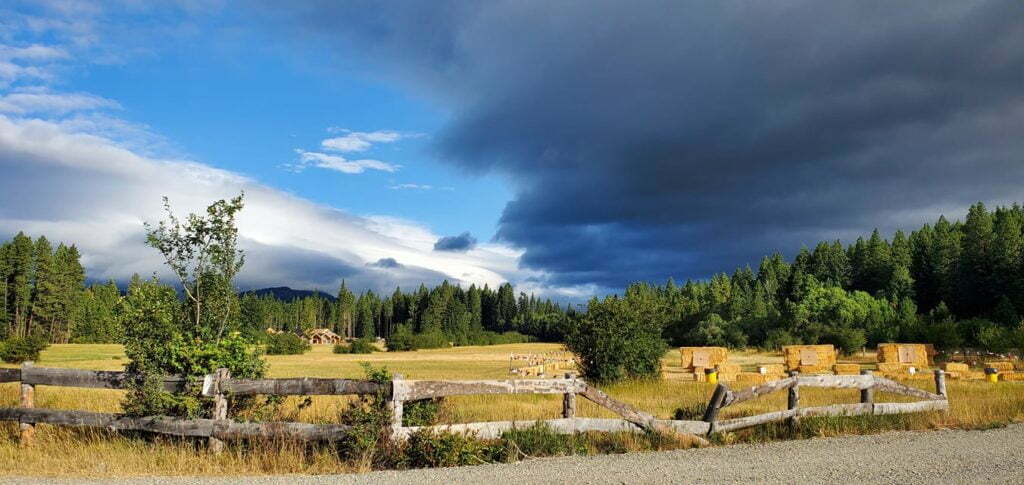



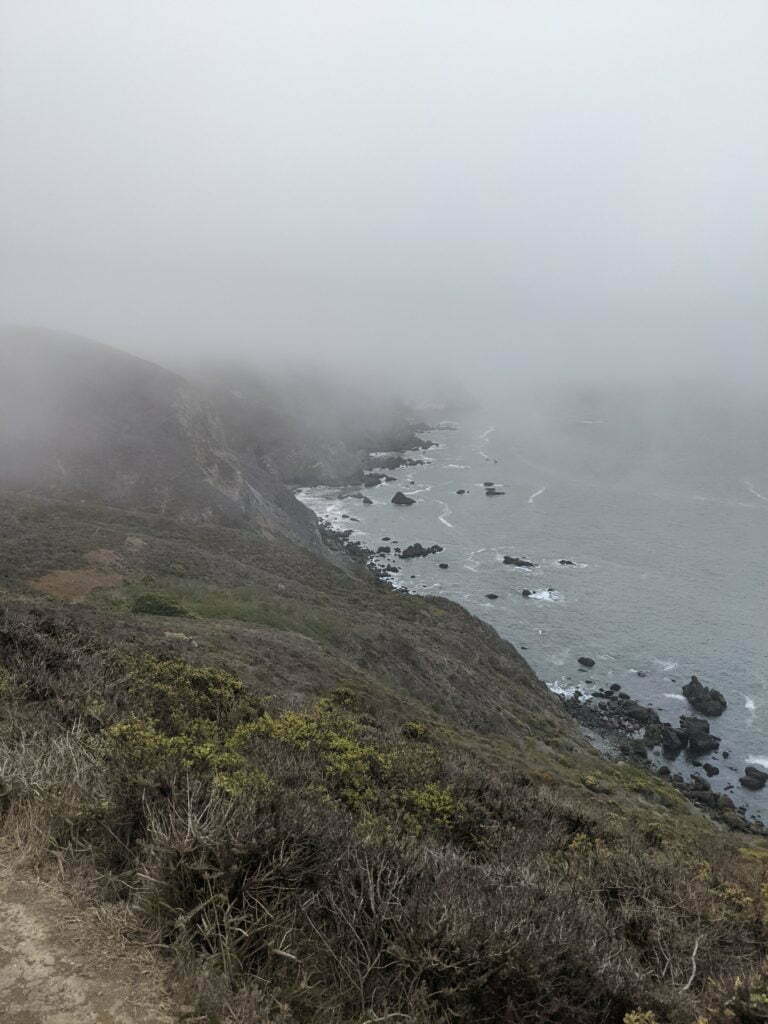


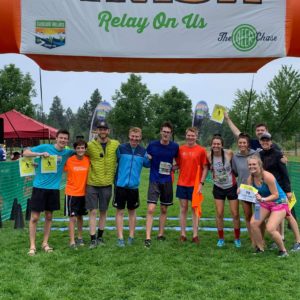


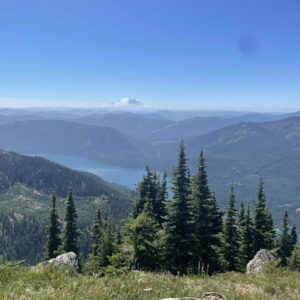


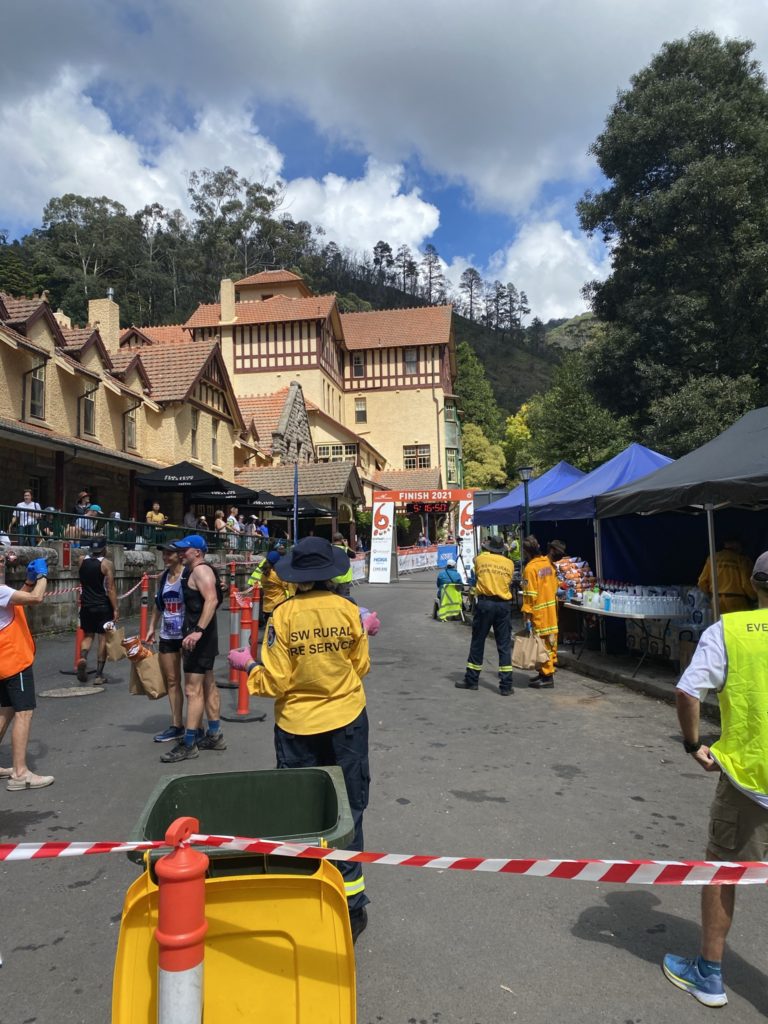

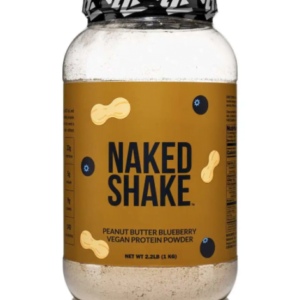
 Erin Hunt is a coach with Team RunRun. To learn more about her or to work with Coach Erin, check out
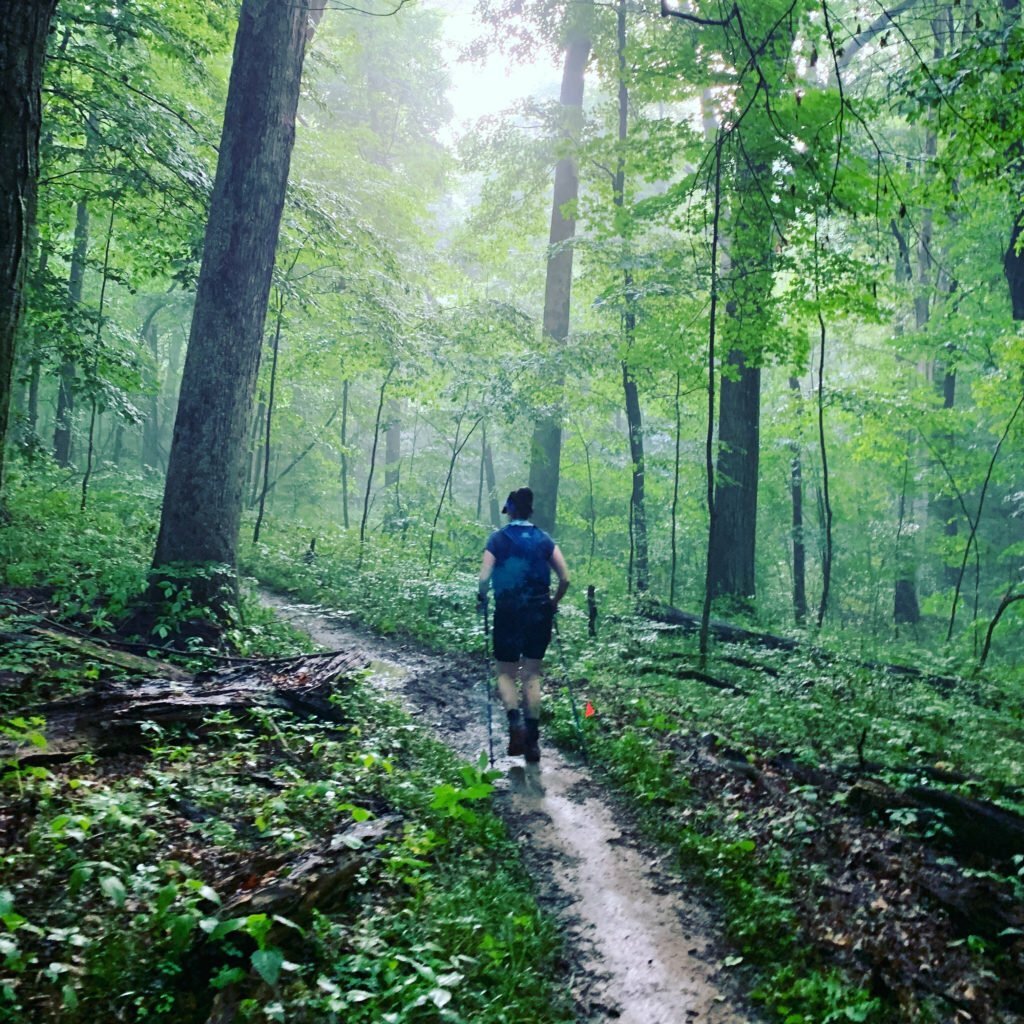

 Maxx Antush is a coach with Team RunRun. To learn more about him or to work with Coach Maxx, check out