Coach Corey showing that fitness can take you far beyond the race course.
“So, what are you going to do with all that fitness?”
At the time, the question from my coach stopped me short. I didn’t understand. It had never occurred to me to do anything beyond race.
“Umm… I don’t know,” I replied, confused.
“Well, think on it,” he said. “You’ve spent the last eight months training for triathlons and a marathon. It’d be a shame to let it go to waste.”
Years later, I realize just how profound that single question was and how far ahead of his time my coach might have been.
Lost in Training Cycles
Too often, we get lost in the rhythm of training cycles with our sights locked solely on the next race. The pattern becomes predictable—train, taper, race, recover, repeat. Unfortunately, this can blind us to the broader potential of our fitness and the deeper rewards it can offer.
Coach Corey finding a reason for running beyond racing running across the Presidential Traverse in New Hampshire.
Beyond Racing
It’s worth thinking about a goal that isn’t tied to a race, especially in the off-season. Branching out gives us a mental break, allows for new perspectives, and can reward us with something far greater. Racing is part of what we do, but there is something more if we look a bit deeper.
Health as a Gift
Being healthy is a gift—one that opens doors to experiences many never get to have. Fitness isn’t just about races; it’s about being capable, resilient, and ready to embrace life’s adventures. It’s about being in places most people aren’t, not for a podium finish but for yourself.
Answering the Question:
So, What Are You Going to Do with All That Fitness?
Fast forward to 2016. Four friends and I found ourselves running across the Presidential Traverse in New Hampshire. Known for its volatile weather, that day gifted us with clear skies and stunning views that stretched for miles. As we moved across the peaks, I thought back to my coach’s question. In that moment, it seemed very relevant.
“This,” I thought. “This is what I am going to do with all that fitness, Richard.”
It wasn’t about a finish line or a time goal. It was about standing on top of the world, feeling alive, connected to the earth, and grateful for what my body could do. That day, the answer finally clicked: fitness isn’t just for racing; it’s for living.
Corey Turnbull is a Team RunRun Coach based in Ottawa. He works with beginners just starting out or with seasoned runners looking for a breakthrough. Corey helps athletes maximize the limited training time they have, prioritizing consistency, focus and fun.
If you enjoyed this article, check out “The Gift of Running” also by Corey Turnbull.
Whether runners should use rate of perceived exertion (RPE) or heart rate monitors is the question. At best, this is a heavily debated topic of which approach is best, with an incredible amount of nuance within each modality. As an athlete and coach, my experiences have ranged from receiving many questions around this topic, to meeting others with strong opinions one way or another. I come in with my own biases, but hopefully this article, although not comprehensive by any means, will shine a light on the pros and cons of each tool and how/when to integrate them both simultaneously.
What is Rate of Perceived Exertion (RPE)?
RPE is a subjective measure of the perceived intensity level when doing a workout. RPE was created by Dr. Gunnar Borg, a Swedish psychologist, who created 2 different RPE scales. For the sake of this article, we’ll be using the Modified Borg CR Scale 1-10 RPE rating.
Referring to the Modified Borg CR Scale 0-10, this is how I typically outline workouts according to RPE:
0 – at rest
1-3 (walking) very easy to breathe
4 (recovery run) easy to breathe
5-6 (endurance run) conversational pace run; breathing is not labored
7 (steady state run) labored breathing; able to speak a couple sentences
8-9 (tempo run) elevated deep & labored breathing; able to say several words
10 (intervals at VO2 max) maximum intensity; short and rapid breathing; barely able to say 1-2 words
Obviously, this is highly subjective as it’s based upon one’s perception of intensity. A “talk test” is often used to cross-check the assessment if the athlete is actually within the specified range. What might be an RPE of 6 for you could be a 9 for your friend.
RPE or heart rate? Here’s Coach Kelsey using RPE to race Hood Hundred.
PC: James Holk
Benefits of RPE
This is a subjective measurement that is highly individualized. Specifically with trail- or ultra-running, there are often so many moving variables (elevation change, altitude, terrain, temperature changes, core temperature fluctuations, caffeine intake, emotional responses, dehydration, etc.) that to prescribe a specific HR range to maintain can sometimes be a wildly moving target. For instance, if you aim to maintain a specific heart rate when descending a steep climb, it could lead to injury due to excessive impact especially if you haven’t trained adequately on descents. Thus, using RPE allows the athlete to maintain a self-assessment of their effort and adjust according to subjective data (e.g. breath, intensity, etc.).
Additionally, using RPE on days when you’re feeling “bleh” can avoid the chance of perpetuating overtraining or fatigue. Some might call this as a way to do “feel-based” training.
Drawbacks of RPE
Since this is a subjective measurement, the actual RPE can become skewed when muscles become fatigued. You might feel as if you’re going at a 8/10 RPE but your heart-rate is indicating otherwise. Having an objective measurement (i.e. HR monitor) for longer-duration events can be a helpful indicator to press harder.
Coach Kelsey wears the Coros armband HR monitor (see left arm) while running the Three Finger Jack Loop in Oregon. PC: Kaysen Brennan
What are Heart Rate (HR) monitors?
Heart rate monitors offer objective data from a workout (i.e. staying within a particular “zone”). There are a number of HR monitors that exist today: a wrist watch, armband, and chest strap. The validity behind each of these will look different (e.g. a wristwatch will often display inaccurate data). Obviously, watches are very useful for other data but utilizing a wrist-based heart monitor will often give you glitches so it may be worth investing in a separate device (e.g. armband or chest strap) to give more accuracy and spare the frustration.
“Zones” is a term that often gets thrown around when athletes are aiming to stay within a HR range. To further complicate matters, a range of zone models exist which differ from another –the most common being the 3-zone and 5-zone models– so be sure to take a closer dive into which model you intend to use.
Benefits of HR monitors
Imagine you’re several hours into a race and the fatigue is starting to build but your HR monitor is showing a lower HR than preferred. This can indicate that you can pick up the pace because fatigue is starting to cloud your overall perception of effort. It feels like you’re working a lot harder, but in actuality your cardiovascular system isn’t matching your high RPE.
Alternatively, if you’re given an easy/conversational-pace day, using a HR monitor can keep you accountable from going too fast. Think of HR as a speed limit for these easy/conversational run days.
HR monitors can be a very useful tool for cross-training days especially if you’re wanting to stay within a certain zone to maintain cardiovascular benefits.
Assessing HR at rest can be useful to gauge how the body is recovering after a race or during peak training block. Typically as an athlete builds more fitness, the resting HR will lower and this indicates the heart’s stroke volume is increasing. It is important to recognize that if your resting heart rate is substantially low or high, this might be an indicator of overtraining syndrome and/or fatigue.
Lastly, another benefit of utilizing HR is to assess the HR when doing your workout. If you’re reaching the targeted HR zone during a run (after accounting for cardiac lag, as described below), take note. Your depressed HR might be due to a lack of recovery. Similarly, your HR not lowering to your normal resting HR after a workout may also indicate under recovery.
Drawbacks of HR monitors
For starters, I strongly recommend not using a wrist-based HR monitor as a valid measurement of HR. Several variables can significantly impact wrist-based readings like interference with the sensor, placement of watch, temperature, skin tone and more.
Secondly, you will need to recalculate your zones as your fitness changes to keep them accurate. This article won’t go into zone calculating: go read Matt Fitzgerald’s 80/20 Rule if that’s your jam.
Most notably, if you find yourself becoming obsessed with numbers to an unhelpful degree (e.g. constantly checking your watch) and it’s taking away from the enjoyment from running rather than adding to it, this can be a slippery slope. Additionally, this over-fixation on HR can lead to stress which will also impact your HR – a real double whammy. So, RPE or heart rate? In this case, I would highly recommend only looking at HR data after your runs and consider sticking with RPE.
Cardiovascular lag (not cardiovascular drift) occurs when you start exercising and your heart-rate isn’t in the desired range. This happens to just about every one of us. It’ll often display more accurate readings after 25-30 minutes of steady movement.
Cardiovascular drift is the gradual increase of HR over a workout. This accounts for the rise in core temperature and decrease in heart stroke volume. A runner may notice that their heart rate continues to increase during a longer, steady-state run but their respiration rate and effort level feel the same. Staying within a specific HR range may result in underperforming if you slow down unnecessarily to stay within the zone.
How should I use RPE and HR? Can I use both?
You absolutely can! Knowing when to use RPE or heart rate depends on the context of when and how to use it. Obviously, running on trails vs. road vs. track is very different so take that into consideration. My recommendation is when doing your conversational/easy-paced runs (RPE 5-6) or moderate-intensity (RPE 7-9) runs, allow yourself to use RPE for the first 30 mins to maintain the desired intensity. Thereafter, check your HR even now and then to see where it’s at, but still maintain a close gauge on your RPE. Obviously, this might show a wide HR range depending on the many variables (especially if you’re running on trails), but over time you might find some trends that correspond to both HR and RPE.
For high-intensity runs, start with your desired RPE (e.g. 10). Perhaps you also consider aiming for a specific pace to target rather than aiming for HR. You can take HR into account, but keep in mind that cardiac lag will occur and very short intervals (1-3mins) don’t allow ample time for the HR to reflect accurately.
Kelsey McGill is a UESCA-Certified Ultrarunning Coach with Team RunRun. She has 10+ years of experience in coaching all levels and ages of runners, specializing in trail running and ultrarunning.
Everyone who is training seriously, or even not so seriously, seems to be obsessed with recovery. Every time I open my phone, I’m bombarded with TikToks, Instagram reels and targeted ads featuring people touting all sorts of hacks or tools to help you recover faster and live longer. One of the most popular ones is cold therapy. From cold plunges and cryotherapy, to something called a RecoveryTherm Cube, there is no shortage of options to freeze fatigue away, hoping to get you ready for your next workout faster. Here’s the thing though, none of it really works, certainly not to the extent all these influencers advertising the latest ice pack or vibrating gizmo want you to believe. In fact, there is basically no situation where an amateur runner should be freezing themselves!
Runner in an ice barrel debating whether the pain of icing is worth it.
This piece is going to focus on ice baths which at best do nothing, and at worst may inhibit adaptations. But before attempting to debunk the “magic” of ice baths, know that I am not a doctor. And, if a doctor does prescribe ice therapy for an acute injury, their 8+ years of schooling should supersede anything that I, or anyone for that matter, write in a blog on the old interwebs.
Ok, onto the part you all came to read.
Icing and ice baths came into vogue as a recovery technique decades ago. Seemingly harmless, they’re touted as benign ways to reduce soreness and pain, especially after high intensity exercise. When you expose your body to cold, the blood vessels narrow and blood supply decreases. The result of this is less inflammation, which provides relief.
We all know inflammation is bad… right?
Recently, particularly in the health and wellness arenas, inflammation has become the bogey man and cause of all ills. Hence the rise in popularity of ways to reduce inflammation, a la cold therapy. Ironically, this is the exact opposite thing that we want if we are trying to get fitter. Inflammation is your body’s natural response to exercise, and only with inflammation do we get adaptation. Exercise damages your muscles and your body uses this as information to adapt to the workout that caused it. This inflammation-adaptation cycle runs true whether you have sore quads after a long run with a lot of downhill, calves that feel like they’re being gripped by boa constrictors following being spiked up for a speed workout, or even the day after you try to do push-ups for the first time in 6 months and it feels like your pecs just went through a cheese grater. Your body responds to the stimulus you provide it, better preparing you for the next time you do that activity. Put simply, you improve and adapt from the exercise-induced inflammation.
Breaking down the science (briefly!)
Runners ice bathing between two races on the same day.
I’ll save you from all the super science-y details because I too glazed over in organic chemistry class. But study after study finds that ice baths blunt adaptations to training. Research reports ice exposure leading to decreased protein synthesis–how your body repairs muscle damage, as well as decreases in anabolic signaling–your body’s message to get stronger. The results are decreases in long term gains in muscle mass and strength. Relatedly, adjacent studies have found that taking anti-inflammatory drugs have similar effects. All of this evidence tells us that, despite it being uncomfortable, we want the inflammation. We want DOMS (delayed onset muscle soreness). This is where the gains come from!
An exception to every rule
Now pay attention, because I am going to do a little writer trick where I tell you about an exception to my thesis but then flip it at the bottom to actually make the exception support my argument. The time when research supports ice bathing as a useful tool is when athletes are competing, or exercising, at a high intensity repeatedly over a short timespan. Examples include athletes’ running multiple events at NCAA conference or national meets, or preliminary and final races hours apart. In these cases, taking an ice bath may provide some relief and get you ready to race again sooner. (A note for fellow running sickos: that does not mean that it is a good idea to cram sessions close together just because you CAN get through them with the help from a cold tub!)
As highlighted above, I don’t imagine this being a situation that many of you reading this will find yourselves in. Therefore I refer you back to my original point: there’s really no reason for the average runner to ice bathe!
Pleading the case for ice baths
The one benefit of ice baths that I will ride for is the psychological (*read placebo*) boost it can convey. It feels good to be doing something for recovery, especially if you’re doing it with others. I think back to the ice baths I took with my college teammates in the training room and I do think that we all benefited from those sessions, even though I don’t think that benefit came from sitting balls deep in 50-degree water. Rather, I think the benefit we got was from hanging out together and joking and thinking we were doing something good for ourselves. Not to mention, if you are taking an ice bath, you’re likely sitting down for a period of time. How often do you take time to do that each day?
TL:DR on ice baths
If you’re one of those recovery inclined individuals who gets confidence from feeling like they are doing a little extra to make sure they’re ready to go for the next session, or if you and your running buddies enjoy love hopping in a lake or river after a long run, I hear you, I see you. I don’t want to yuck your yum, but consider grabbing a burrito together and 30 minutes of extra sleep instead!
References
Fröhlich, M., Faude, O., Klein, M., Pieter, A., Emrich, E., & Meyer, T. (2014). Strength training adaptations after cold-water immersion. Journal of Strength and Conditioning Research, 28(9), 2628–2633. https://doi.org/10.1519/JSC.0000000000000434
Lateef F. (2010). Post exercise ice water immersion: Is it a form of active recovery? Journal of Emergencies, Trauma, and Shock, 3(3), 302. https://doi.org/10.4103/0974-2700.66570
Roberts, L. A., Raastad, T., Markworth, J. F., Figueiredo, V. C., Egner, I. M., Shield, A., Cameron-Smith, D., Coombes, J. S., & Peake, J. M. (2015). Post-exercise cold water immersion attenuates acute anabolic signalling and long-term adaptations in muscle to strength training. The Journal of Physiology, 593(18), 4285–4301. https://doi.org/10.1113/JP270570
Professional runner (with a 2:08 marathon PR) Scott Fauble has joined the Team RunRun coaching roster! Scott has multiple top 10 finishes in marathon majors such as Boston and NYC, along with 3 Olympic Marathon Trial races. He is ready to help athletes take their training to the next level.
While all marathons are special, the World Marathon Majors hold the most prestige in the world of marathoning. They encompass six of the most renowned marathons globally: Boston, London, Berlin, Chicago, New York City, and Tokyo. Each marathon offers a unique experience, marked by distinct courses, varying qualification criteria, and tradition.
Desiree Linden became the first American woman to win the Boston Marathon in 33 years. PC: Charles Krupa.
1. Boston Marathon
Course: The Boston Marathon is famed for its point-to-point route from Hopkinton to Copley Square in Boston. The course features rolling hills, the challenging “Heartbreak Hill” near mile 20, and a net downhill overall, making it both a test of endurance and a fast course under the right conditions.
Date: Takes place on the third Monday of April each year, celebrated at Patriots Day in parts of the USA including Boston. The 2025 Boston Marathon will be held on Monday, April 21.
Qualification: Qualifying for Boston is stringent. Runners must meet age- and gender-specific time standards, achieved in another certified marathon. These standards are competitive, and entry is further limited by registration windows, often filling up quickly with the fastest qualifiers. The Boston Athletics Association also offers a small number of charity places to select non-profits; runners must raise significant amounts of money to qualify for one of these places.
Course: The London Marathon’s course is a scenic loop through the city’s landmarks, starting in Greenwich and finishing at The Mall. Participants run past the Tower Bridge, the Houses of Parliament, and Buckingham Palace, making it a visually captivating race. Moreover, the London Marathon is the world’s largest marathon with over 53,700 finishers in 2024.
Date: Takes place on either the last or second last Sunday of April each year. The 2025 London Marathon is set for Sunday, April 27.
Qualification: Runners can gain entry via several routes: a lottery system open to all, time qualification standards for UK residents, charity spots, and guaranteed entries for Good for Age runners who meet specific time criteria. Unfortunately, the lottery, or general ballot, for the London Marathon is the toughest of all six marathon majors with the chances of gaining an entry below 2% for 2025!
With a fast and flat course, Eliud Kipchoge broke the World Record at the Berlin Marathon several times. PC: Christoph Soeder.
Course: Berlin boasts one of the flattest and fastest marathon courses, starting and finishing near the Brandenburg Gate. The route’s design, through wide and smooth city streets, contributes to its reputation for record-setting performances.
Date: Takes place on the last Sunday of September each year. The 2024 Berlin Marathon will be held on Sunday, September 29, and the 2025 Berlin Marathon on Sunday, September 21, 2025 (a week earlier than normal to avoid conflicting with the German parliamentary elections).
Qualification: Entry is primarily through a lottery system. Additionally, runners can secure spots via time qualification, charity fundraising, and tour operator packages, which include race entry and travel arrangements.
Course: Chicago’s marathon features a loop course that starts and ends in Grant Park, taking runners through diverse neighborhoods and iconic cityscapes. As a result of the course’s flat and fast nature, the Berlin Marathon is a favorite for those seeking personal bests.
Date: Takes place on the second Sunday of October each year. The 2024 Chicago Marathon will be held on Sunday, October 13, and the 2025 Chicago Marathon on Sunday, October 12.
Qualification: Runners can enter through a lottery, time qualifiers, charity partners, and international tour programs. Chicago also offers a guaranteed entry option for legacy runners, those who have completed the race multiple times.
Course: The NYC Marathon’s point-to-point course spans the five boroughs, starting on Staten Island and finishing in Central Park. Additionally, the course includes notable bridges and varied terrain, providing a vibrant and challenging urban running experience.
Date: Takes place on the first Sunday of November each year. The 2024 NYC Marathon will go off on Sunday, November 3, and the 2025 NYC Marathon on Sunday, November 2.
Qualification: Entry methods include a lottery, time qualifications, charity entries, and guaranteed entries for New York Road Runners (NYRR) members who meet specific participation criteria. International runners can also access spots through official tour operators.
Course: The Tokyo Marathon follows a scenic urban route that highlights the city’s modern and historic landmarks. Starting at the Tokyo Metropolitan Government Building and finishing at the Tokyo Station, the course offers a mix of flat and mildly hilly sections.
Date: Takes place on the last Sunday of February or the first Sunday of March each year. The 2025 Tokyo Marathon will be held on Sunday, March 2.
Qualification: Entries are primarily distributed via a lottery system due to high demand. Time-qualified runners, charity participants, and tour operator packages provide additional avenues for securing a spot in the race.
Runners who complete all six World Marathon Major receive a special Six Star Medal.
Six Star Finishers
Runners who have completed all six World Marathon Majors are termed “Six Star Finishers” and earn the Six Star Medal at the finish line of their final marathon. Due to the challenge of gaining an entry into each of the races, not to mention the considerable time commitment to train for 26.2 miles, and the financial cost of racing around the world, it often takes runners many years to complete all six.
Other World Marathon Majors Considerations
While each of six World Marathon Majors each present unique challenges and experiences, drawing elite and amateur runners from across the globe, they have their drawbacks too. The selective entry criteria, huge field sizes, complicated race day logistics, and finances required for entry fees, travel and lodging around the world, are all factors to consider when deciding your next marathon. For a fast time, guaranteed entry, friendly and stress-free experience, don’t overlook a smaller marathon closer to home.
Ruby is a runner, triathlete, and passionate coach, who is most fulfilled by helping athletes overcome limiting beliefs with joy. She is also a proud science nerd, and advocate for athletes’ mental and physical health.
Team RunRun Coaches Cheyne Inman, Lindsey Funch, Brant Stachel, and Jessica Hadley came together for a live panel discussion titled “Training Tips for your Fall Marathon” moderated by Kyle Fulmer. Our coaches answered eight of your most popular questions, and Ruby Wyles summarized their responses below. Team RunRunners and Coaches were able to join the live discussion via Zoom and can catch the replay here. We plan to make “Talk with the Experts” an ongoing monthly series, so stay tuned for more discussions coming soon!
1. When should I start training for my marathon? How long should my build be?
Cheyne: There is no one-size-fits-all: it really depends on where you are starting from. Many 16-18 week programs use the first 6-8 weeks to build up mileage and develop your aerobic base. For someone who races and trains year round, they start the build already with a base, so a shorter marathon plan may be more appropriate. For someone who has never run a marathon, I think a 16-20 week build up is necessary to give runners enough time to gradually progress the weekly long run and overall mileage.
Lindsey: It depends! I generally recommend runners already being comfortable running 25-30 miles per week, including double digit runs, before starting a 14-16 week marathon specific block. For runners not there yet, aim for a 20-24 week marathon cycle, allowing you to build mileage and add in intensity gradually. A gradual progression mitigates the chance of overuse injuries!
Brandt: Everyone’s a little different and it depends on a multitude of factors: marathon experience, current fitness and aerobic capabilities, recent injuries, and more. Generally speaking, however, a 10-16 week marathon build is advisable.
Jessica: Some athletes thrive off a short build while some new athletes running a marathon may want a 16-18 week build, depending on what training they have done before the marathon. The bigger their base before starting a marathon specific block, the shorter the build an athlete can do to safely build up for the marathon.
Team RunRun coaches have guided runners of all abilities to successful marathons, including many Boston Qualifiers!
2. Are training races (e.g. a half marathon) a good idea during marathon training?
Cheyne: Shorter races in a marathon buildup are a great way to test the fitness you’ve built in training, dial in your race day routine, fueling, and pacing strategies. The marathon is a long race, and anything can happen on race day –from stomach problems to bad weather and more– so racing a shorter race in your build up allows you to get something out of your training block in case things don’t go perfect on marathon race day.
Lindsey: In short: great but not essential. Training races can be a good way for runners who deal with race day anxiety to feel the excitement and nerves without as much pressure, as well as allowing them to go through the motions of race day preparation. If you plan on racing a half marathon during the build, aim for it to be 4-6 weeks out from your goal marathon so you have enough time to recover fully afterwards. Another option is to use races as aided workouts— rather than running them all-out, the races could be a chance to practice running at marathon effort with the benefits of having aid stations. With the excitement and hype of races, it can be easy to start too fast, so training races can help you practice holding back (and hitting your prescribed paces or efforts) when there’s competition.
Brandt: I like the idea of training races to give athletes practice at their race day routine: portapotty, fueling, breakfast, travel, etc. That said, I’m cautious about using races as a benchmark or measuring stick for marathon performance. While they can be a general guide, they don’t always equate out.
Interestingly, I was looking at the number of men and women at the US Olympic Marathon trials who had hit the Olympic Trials equivalent (based on Jack Daniels’ running calculator) in the half marathon. There were plenty more athletes who hit the equivalent half marathon time to the respective marathon Olympic Trials standards. This shows that even pros don’t always convert their under-distance races to the full distance. If they can’t, then we shouldn’t be so egotistical to think that we must be capable of it every time as well!
Jessica: I often suggest a half marathon in a build around 6-7 weeks out from the marathon for several reasons. Firstly, it helps me get a good idea of where the athlete’s fitness is, and secondly it is a huge confidence booster that they are gaining fitness. It also helps the athlete get in race mode and work on mental toughness. This is a race where they could completely race it for a PR or use it as a workout depending on what they are looking for. I generally don’t like anything too close to the marathon because I don’t want them fully going to the well before the full..
3. Do I have to do my long run on the weekend?
Cheyne: I often have athletes do their long run on other days of the week, and I don’t think that’s a problem. However, whatever day you do, the keys are that you consistently run long every week or two, and that you aren’t running it the day before or after a workout, or else you’re sacrificing recovery.
Lindsey: There are no hard-and-fast rules when it comes to training plan structure, so find a place in the week that you can carve out 1.5-4 hours— think running time, driving to and from the run (if you don’t run from your door), showering, and grabbing post-run food. Additionally, the long run doesn’t have to be the same day each week. I recommend having 5-13 days between long runs, meaning if one week you get out on Saturday, but the following weekend is crazy, you could shift the next long run to Thursday (5 days) or the following Tuesday (10 days since your last long run) if that works for you. Personally, I’ve coached some runners who found that a 10-day cycle (long run every 10 days) worked best for their schedule and, as a bonus, we could be more intentional about spacing out their hard efforts.
Brandt: We all have lives, work, and families, and sometimes the traditional Saturday or Sunday long run doesn’t fit. I love to put the long run wherever it fits for athletes, and use it as the base of the weekly schedule. So if the long run is on a Wednesday, I don’t put a speed session on Thursday. Instead, I adjust training based on the day of the long run as this really is the bread and butter of marathon training. The mix of volume and intensity both going into and coming out of the long run needs to be just right to ensure fatigue levels are appropriate to hit paces and prevent injury and burnout.
Jessica: One of the great things about having a coach is that we can work with you and your schedule to make it personal for you. I have many athletes that are nurses working shifts that do their long runs during the week, and I actually have to change their schedules weekly.
4. Do I need to do speedwork to run a marathon? Why?
Cheyne: It depends on what you mean by speed work, do you need to be doing 100m sprints every week? No. Could it help? Possibly. It is important to touch on faster paces than marathon pace to make marathon pace feel easier and to also develop different energy systems and strengths. You can do this through faster interval workouts once a week or shorter leg turnover work like 6-8x 100m strides 3x a week. Most importantly, just make sure it isn’t at the expense of your longer, more marathon-specific workouts, or you not recovering and getting hurt.
Lindsey: To complete a marathon, callusing your legs to the time on your feet (read: getting in mileage and some long runs) is more important than incorporating “speedwork”. That said, adding higher intensity training sessions for more experienced runners, can help to improve top-end speed, increase the body’s ability to sustain higher intensities/paces for longer, and give runners a greater number of gears to work from when it comes time to race.
Brandt: Yes and no, it depends. Speed work is great at boosting your neuromuscular system, which can help with running efficiency and strength. However, in my opinion, speedwork is the first thing to be omitted from the marathon build due to time or risk of injury. From talking to experts and leading coaches, it would seem the hierarchy of marathon training is as follows: 1) total aerobic volume, 2) long runs, 3) tempo runs, and then 4) speedwork.
Jessica: Speedwork will help build running economy and improving running economy can have a significant impact on your race. I like to include it once a week. If you are running your first marathon, or don’t have a big base, it’s not as important as building volume and endurance. However, if you want to see a drop in your marathon time, I do believe adding speedwork, combined with marathon specific work in long runs, will help you see fitness gains. For a new runner, speedwork could look like strides at the end of an easy run or power hill strides.
5. When do I need to fuel my runs? What should I fuel with? How do I carry fuel?
Cheyne: Fueling is both individual and universal. Everyone needs to get in calories throughout a marathon to replenish what you use throughout the race, but the most important things are to have a schedule and use fuel that works with your stomach. That takes practice in training to dial in when/ how often to fuel and what nutrition works for you. As far as carrying the fuel, what has worked well for me is tucking gels into tight fitting accessories like arm sleeves, gloves, or short pockets. Another thing I’ve started doing is running with a handheld. Nothing big, just about 10 ounces, and I like to fill mine with liquid fuel like Maurten 360, and often combine that with aid station cups in races too.
Lindsey: The current research shows that YES you do need to fuel your runs, all of them. For endurance runners, running fasted has not been shown to be beneficial. Make sure that you eat some carbs (20-30g) prior to a run, and more if you’re going long or running some higher intensity efforts. From there, in-run fueling is recommended for any run longer than 60-90 minutes, shooting for 50-90g of carbs per hour (so a 20-30g gel every 25-30 minutes). There are a wide variety of ways to carry your fuel, and it really is up to personal preference and the gear you have available. I like to wear shorts that have 2 large side pockets that can fit up to 3 gels each. I also carry a 12-oz handheld water bottle (great for refilling if you’re on a rail trail or passing by a park), which also has a large pocket that can fit 2 more gels. There are also bras (for the ladies) that have up to 5 pockets for snacks, and for carrying fluids, there are lots of belt and vest options made by Solomon, SpiBelt, Flipbelt, UltraSpire, and more. My advice is to experiment and see what works best for you.
Brandt: When running over 100 minutes, the leading research suggests upwards of 100g of carbs per hour. This, however, needs to be trained. I recommend runners pick their gels and fueling source at the beginning of their build, so they can practice it every long run. As much as you’re training your legs and lungs, you need to train your gut to tolerate this as well! Generally, the best fuel is the one you can tolerate best and don’t hate the taste of, given you’re taking in enough carbohydrates. When thinking about the 100g of carbs per hour target, practice fueling every 15 to 30 minutes on easy and marathon paced long runs to ensure the gut is rock solid.
Jessica: Fuel is very specific to the runner – if you are new to fueling I always suggest buying trial packs of different fuel to see what works for your stomach. It can take time to figure out what you like and what doesn’t upset you GI system, but once you do, I recommend practicing with it on all your long runs and during any week day speed sessions. I recommend fueling early and often, generally taking your first source of fuel around 30 minutes into the race. I like athletes to aim for around 50-60g per hour, equating to a gel every 30 minutes. One of the things I see the most is people not being able to handle a gel later in the race which is why fueling early and often can help load up your glycogen stores for later in the race.
Another important factor when thinking about “fuel” is water, electrolytes, and salt. This is also specific to the runner but some runners may opt to carry their preferred hydration in a handheld, take salt chewable tablets for cramps, or salt pills. When training for a fall marathon you are most likely training through brutal summer weather so these are important tools.
6. What are the not-so-little things you as coaches swear by?
Cheyne: I have found that my daily routines have become the most important part of my training as I’ve aged. I do a set of drills daily that I got from Meb Keflezighi’s book “Meb for Mortals”, which has helped with both my form and ability to stay healthy. In the 30 days leading into a goal race, I am intentional about doing everything I can to support my training and recovery: at least 8 hours of sleep, no junk food, doing the little things like stretching and rolling, and no alcohol.
Lindsey: I think many of the listed “not-so-little things” have their place in most everyone’s training, but I think sleep is HUGE. When you’re sleeping, the body repairs, heals, and makes adaptations, so aiming to get MORE THAN 8 hours of sleep each night can be so beneficial. Personally, after a bad night’s sleep or if an athlete’s feeling overly tired, I would rather they skip a training session in service of getting more sleep— running or training while sleep deprived puts you at a higher risk of injury and is also NOT FUN, so getting caught up on sleep and running when you’re mentally and physically firing on all cylinders makes a lot more sense. Fueling and hydrating enough is always important, but especially as the mileage and/or intensity ramps up. It’s totally not a sexy part of training, but making sure nutrition and hydration is on point can make or break your training.
Brandt: Sleep and flexibility – not in your muscles kind, in your training! Just because the plan is written doesn’t mean it has to be followed exactly to the day. The marathon is a grind; sometimes life kicks in and you are under-recovered or not ready for the challenge of the day. A good coach is always in communication with their athletes about their fatigue levels, pain and soreness, so they can adjust their athletes’ training on the fly to save them from blow ups or injuries. Sleep really is the bedrock of our physical and mental health. It’s also when recovery and adaptation truly happen. This is a must to consider when working with athletes. I question whether 10-15 extra minutes running is worth it if it’s forcing the athlete to get up extraordinarily early.
Jessica: I preach that the pillars of a good race are sleeping 8 hours a night, hydration, and nutrition. Sleeping is often harder in the summer because we have so many other factors that keep us from sticking to a regular schedule. I talk to my athletes about what their goals are – if they want to sleep in and run later in the heat that is fine, but if they want to get up early for their long runs they have to go to bed early enough to get enough sleep. Also, because of the excessive amount of sweat most people lose in the summer months during training, it is important to stay hydrated with water and also some type of electrolyte drink. And with nutrition, a great race can come down to a good carb load vs. a bad one; I think most people think a carb load is one day before the race, when actually it should be 2-3 days before the race. Loading up the glycogen stores plus fueling properly on race day will help you not hit the wall and reach your goal!
7. How do I know the difference between expected soreness/ discomfort from training and injury?
Cheyne: I honestly don’t think anyone ever knows for certain, but the way I gauge it is a problem getting worse, staying the same, or getting better. Soreness after a hard workout or race can be misleading. An easy jog the next day can help differentiate between the two: if the soreness eases up during the run, it is likely normal training stiffness; if not, or if I feel a new pain pop up on one of those runs, I will stop and rest a day to see if it was just a little pain or an injury coming on.
Lindsey: A little bit of soreness is normal when you are pushing your body and working to get better. As a general rule, if something is sore post-run, but the soreness wanes after a day of rest or easy activity, that is pretty normal, and not too worrying. If the soreness or discomfort persists, we want to pay more attention to it. As a coach, I am not a physical therapist or medical professional, so it is outside of my scope of practice to diagnose or treat an injury- so if something is very painful (shooting pains, immobile, or causing a change in gait, for example) my suggestion is to get in with your primary care physician, or see a physical therapist or orthopedist that specializes in endurance athletes as soon as possible, so that you can get a diagnosis and a path forward!
Brandt: This is a tough one and often requires the vision and wisdom of someone who has been injured before or seen runners with these types of pains and soreness to help athletes navigate. Generally speaking, though, something that doesn’t return close to baseline after a couple days off running is a red flag for me. If it’s in or near one of the typical troublesome spots such as the ITB, tib post, Achilles, or plantar, I’m also extra cautious. This is an area where good lines of communication in coaching cannot be understated.
Jessica: I joke often that if I woke up and wasn’t sore I would be worried. When you are marathon training you are going to be sore and tired, and little aches and pains may happen. This is normal due to the repetitive nature of running and stress we put on our bodies. However, if you start to feel the same pain repeatedly, and it is hindering your training, changing your stride, or it is more than a 3/10 on the scale of pain, I would like to know as a coach. It may be something we just watch and scale back on harder sessions, or it may be something more serious we need to address.
Team RunRunner Jackson recently ran his first marathon after a successful build with his TRR coach.
8. What’s my marathon pace? How do I work out a realistic goal time?
Cheyne: What has worked for me and some of my athletes is this slightly unconventional method. When starting a new training block after time off, I will have myself or my athlete run a hard 3 mile tempo. Assuming that the athlete has previously run a marathon, their average pace for that 3 miles is a good indicator of what pace they are capable of running for their best marathon. By “best marathon”, I’m assuming the athlete had a smooth 3 month build and a hiccup-free race day. Closer to race day, I also have my athletes do longer repeats like 3-4 x 3 miles at what they feel like is their goal marathon pace. If they are consistently maintaining that pace throughout all the intervals, week after week, feeling somewhat controlled, then we can be more confident that they can run that pace for the marathon.
Lindsey: For the first time marathoner, I generally recommend to worry less about pacing and focus more on finding what feels like a sustainable effort. This principle holds true for most runners, but we can get more specific about pacing as runners gain more experience. I often use previous race results to set some training paces, checking in throughout training to make sure that paces and efforts line up. As training progresses and race day gets closer, it becomes easier to estimate realistically what a runner is capable of- we can use some quality sessions or long runs to assess. If you aren’t working with a coach, using a calculator like VDOT or the McMillan Running Calculator to estimate training paces and race equivalents can be helpful by plugging in a recent time trial or race— remember that longer races like a half marathon will be a better predictor of your marathon pace than shorter distances like the 5k or 10k.
Brandt: You need to consider a variety of factors including: temperature, humidity, fitness. In my opinion, there is a difference between your marathon race pace and marathon training pace. For example, building through the heat and humidity of summer, it’s not uncommon for runners to train at 10-15 sec/mile slower than their race day marathon pace. I also like to start my marathon builds with 45-70 minutes straight of marathon (or “conditions adjusted”) marathon pace. If an athlete can do this comfortably and report they could do this for another 1-2 hours, we likely are close to their marathon pace. If not, then we need to reevaluate to ensure we aren’t overreaching throughout the build. As one of the final workouts of the build 2-3 weeks out, I also like to do 90-120 minutes at goal marathon pace (heat adjusted if need be) as the final test for an athlete. We want to know how comfortable this pace is. Could you do it for another 1-2 hours? Again, if not, we need to reassess an athlete’s goal pace for race day. It’s better to have this information 2-3 weeks out than to discover it 10-15 miles into a marathon! This helps us be data-informed in our pacing decisions, as well as setting athletes up for success.
Jessica: I am a VDOT coach so I use the VDOT calculator to give a “marathon pace”, but that may not be your marathon pace- especially if it is based on a short distance race. This is why I generally like to work with athletes before they start building into the marathon so we can look at their fitness and make any changes. Also, goal marathon pace could change during the build. It’s important to have an open line of communication about goals and expectations for your race with your coach. We are here to help you and guide you to your best marathon by having realistic goal setting and race expectation discussions.
Ruby is a runner, triathlete, and passionate coach, who is most fulfilled by helping athletes overcome limiting beliefs with joy. She is also a proud science nerd, and advocate for athletes’ mental and physical health.
A few weeks back, we received a race report from Team RunRunner Rebecca Walker that said something along the lines of: ‘I hopped in a 200 mile race, it was fun, wasn’t my fastest or my slowest’. Rebecca’s nonchalance suggested that running super long distances was a relatively common affair for her, and I had to learn more!
Rebecca wading through a creek during the Cocodona 250. PC: Anastasia Wilde
Meet Team RunRunner Rebecca Walker and Coach Greg Ottinger
Coached by accomplished ultrarunner and Team RunRun Coach Greg Ottinger, the pair have been working together for two and a half years and counting. As mentioned, coach Greg is no stranger to 200 mile races or back-to-back ultras, himself targeting the Triple Crown of 200s this summer, which involves running three 200-mile races over four consecutive months! With over 200 Team RunRun coaches to choose from, it’s no coincidence Rebecca and Greg seem to have the perfect coach-athlete match.
According to UltraSignup, in little more than 10 years, Rebecca Walker has 82 ultras to her name, including seven 200+ mile races, which had her running for up to 5 days at a time! Yep, 5 whole days, over 121 hours to be precise! Interviewing Rebecca, I thought I’d start with the obvious question I’m sure we’re all wondering: why? What draws you to these super long events, and why do you keep going back for more?!
Rebecca: “Historically, I chose my races based on places I wanted to visit. My first 200 mile run was the Tahoe 200, which I remember seeing advertised and thought I would like to do it someday. At the time, you had to have completed a mountain 100 mile qualifier race beforehand, so I wasn’t able to enter Tahoe 200 until the prerequisites were met. After completing that one successfully, I realized how much I appreciated the variability of these events, as well as the slower pace – being a slower runner, this was important to me!”
Balancing ultra training with life
As superhuman as Rebecca’s ultrarunning exploits seem, she isn’t a full time runner focused solely on the eat-sleep-train priority triplet that many professional athletes are. Instead, Rebecca balances a full time job in the legal field with family life as a wife, mom to an active teenage girl, plus two cats and dog too! Not your typical husband-and-wife duo, the pair bond over their love of ultras, and actually ran the Moab 240 together for their honeymoon!
So what’s Rebecca’s secret? How can she possibly excel at these ultra ultra distances with so much other life to balance?
Rebbeca: “Greg [Ottinger, her TRR coach] has been AWESOME working with my schedule, and we’re flexible with moving workouts around. My husband typically runs with me on the weekends, but the weekday stuff is all me.”
“Training for 200 milers is not too much different than 100 mile training. Under Greg’s guidance I now run 5 days a week (vs the 3-4 I used to do): 3 runs are usually Z2, easy training; 1 day is typically speedwork and/or hills depending on whatever race I have coming up; and the other day is a long run. Saturdays are always my long days, involving either a progression run if I’m training for something flat, but usually I go on a time-based adventure run in the foothills/mountains.”
Add to that Rebecca’s one day per week of strength training, and training for 200 milers seems almost manageable…?! Rebecca adds: “I just do what I’m told”, not overcomplicating her running, and leaving the X’s and O’s of training science to her coach Greg, a job he readily accepts.
Greg: “As a coach, navigating Rebecca’s race calendar is akin to orchestrating a symphony of commitments, aspirations, and relentless determination. Hailing from the frosty climes of a region that could freeze a San Diegan’s bones, Rebecca juggles the roles of a dedicated runner, nurturing mother, driven professional, and even a devoted dog mom. It’s a balancing act that requires precision planning and adaptability, a task I undertake with both awe and admiration.”
As a runner with a coach myself, I believe this is one of Rebecca’s, and most athletes’, secrets to success: enjoy your running, don’t overthink it, and outsource the programming to an expert, like our band of Team RunRun coaches!
If you want further proof of Rebecca’s mortal and measured approach to training, consider that when the weather is close to freezing she simply doesn’t run. Instead of toughing it out in miserable conditions, or making up mind-numbing miles on the treadmill, Rebecca opts for extra recovery over trying to prove her toughness in training, a fallacy that almost always backfires. Despite preparing to race through all hours of day and night, in all kinds of sleep-deprived, underfueled,and fatigued states, again Rebecca doesn’t make training harder than it needs to be, not losing sight of the fact that running should be (at least most of the time) enjoyable!
Rebecca: “I don’t night run [in training], but I do vary the terrain and elevation, running on dirt roads and trails near my house in Colorado.”
Greg: “Preparing for the rigors of ultrarunning demands a holistic approach that transcends mere mileage. Rebecca’s training regimen revolves around building a robust aerobic base, with 90% of her workouts dedicated to aerobic efforts, Heart Rate Zone II. We prioritize consistency, honing her ability to endure the relentless demands of multi-day races.”
Rebecca’s year-round race schedule means that she is constantly in training mode, save for a taper week prior and recovery week post race.
Greg: “When it comes to setting race goals, Rebecca is quite candid. Whether she’s eyeing a podium finish, leisurely adventure with friends, or simply seeking the joy of crossing the finish line, each race serves a distinct purpose. If it’s a “fun 50,” we integrate it into her routine without the customary taper, allowing her to enjoy the experience without compromising her overall progress or risking injury.”
Without big swings in her mileage, plus her incredible ability to endurance and recover from these long distances, Rebecca maintains an impressive baseline fitness that allows her to race frequently and avoid injury. She reminds us all that the key to any and all running success is consistency, not hero workouts or huge increases in mileage leading into race day; Rebecca, with help from her TRR coach Greg, has found a sustainable level of training for her body and life demands, that she is able to repeat year-round. Now that is the not-so-sexy secret to success!
Running fundamentals: fueling, sleep, and recovery
Fueling, a critical element of any ultrarunner’s performance, is another of Rebecca’s strengths, and she is gifted with an iron stomach that allows her to “eat whatever is available at aid stations”. She jokingly refers to herself as a “trash panda”, recognizing that she is “in the minority of folks who don’t have issues with fueling”. During long training and race days, Rebecca fuels consistently, always carrying extra snacks to ensure she’s never running close to empty.
It’s not just fueling that Rebecca’s dialed in, running through extreme fatigue and sleep deprivation appears to be another one of her skills. Whether honed through parenthood, a highly caffeinated lifestyle, or a rare genetic ‘I-will-run-on-no-sleep’ predisposition, if the princess and the pea is on one extreme, Rebecca is on the far other!
Rebecca: “I can get through night one fine without sleep now that I have nailed down a good caffeine plan. After that first night though, I tend to have issues falling asleep, but taking some time off my feet at aid stations even when I can’t sleep helps. Over time [as Rebecca gets further and further into a race, becoming more and more fatigued] I can usually get about an hour’s sleep at an aid station, as well as 5-10 minute trail naps! If the terrain permits, I’ll just lie on the side of the trail, or sit up against a tree; other times, just closing my mind will usually be enough to keep me going for a few more hours.”
Much to my surprise, and in part credited to great nutrition and smart training, alongside honest communication with her coach, Rebecca isn’t bed-bound for weeks following her epic adventures, and instead is an advocate for the ‘motion-is-lotion’, ‘movement-is-medicine’ paradigm.
Rebecca: “Hydration and sleep are so important, and I aim for 8-10 hours a night the first few days after a big race. I am a huge fan of active recovery. I still take my dog for walks (usually a few miles at a time) and I have a treadmill desk that I walk on while working.”
Greg: “Navigating the aftermath of ultramarathons requires a keen understanding of the body’s signals and rhythms. Listening to her body becomes an art form, as we interpret its subtle cues and adjust our approach accordingly. Rebecca is always clear with her progress and we adjust each week accordingly.”
Rebecca during her Tahoe 200 “honeymoon”.
Ultra racing: highs, lows, and 200-mile memories
A seasoned ultrarunner with over 100 results to her name, I asked Rebecca a very difficult question: what her favorite race has been so far.
Rebecca: “Tahoe 200 will always be very special to me. I ran when it [the course] was still a loop around the lake, and it was just so surreal to be going for this huge, unknown distance. Cocodona 250 was also a wonderful event with very diverse environments” as runners traverse from the desert and cacti in Phoenix up to the mountain town of Flagstaff, with its fir trees and cooler temperatures.
Full of positive regard for these super long races, I imagined there must also be significant challenges and low points that are just par for the course. Yet again, I was surprised and in awe of Rebecca’s response.
Rebecca: “I don’t typically encounter many issues in training, unless it’s weather related or to do with personal things going on outside of running. I am, and always have been, a slower and low mileage runner, but that doesn’t derail me or make me “get in my head.”
That said, races can be a stressful experience for Rebecca, with race cutoffs never far from her mind. Even in the face of uncertainty, she remains remarkably undeterred, reminding us all to continue to chase big goals no matter how unlikely they may seem!
Rebecca: “I know I can complete these distances, but am I fast enough to make cutoffs? Sometimes yes, sometimes no, still I never regret going for big goals.”
Working such an ambitious and motivated athlete comes with its own set of challenges, as Greg attests to, but he, like Rebecca, sees them in a very positive light.
Greg: “Coaching Rebecca is a rollercoaster of exhilaration and anticipation, characterized by the electrifying unpredictability of her ambitions. From impromptu 100 mile races, to last-minute decisions to pace a friend across unforgiving terrain, Rebecca’s spontaneity keeps me on my toes. Yet, amidst the whirlwind of uncertainty, her commitment to the process remains a true inspiration.
The ease of coaching Rebecca lies in her work ethic—a pursuit of excellence that leaves no room for excuses or shortcuts. She embraces each challenge with resolve, transforming obstacles into opportunities for growth.”
I finished off digging deeper into her race highlights, and again, the pure joy she has for running –running very long distances at that– shone through.
Rebecca: “All my ultras are victories! Tahoe 200 being my first; Moab 240 [Rebecca’s ‘honeymoon’] for not pushing my new husband off a cliff (haha, just kidding!); Bigfoot 200 for being the most technical and challenging of any 200 I’ve done; Cocodona 250 – I was a DNF the first time around, then went back for redemption in 2023 and had an awesome experience; and, most recently, the Southern States 200, a race I completed without crew or pacers, barely recognizing anyone on the start list, made for a fun and novel challenge in and of itself!”
At the finish of her most recent 200 mile race that inspired this piece, the Southern States 200.
Top races for new ultrarunners from Team RunRunner Rebecca Walker:
100K (62 miles) distance
Rebecca recommends the Black Canyons 100Kfor its non-technical nature, great organization, and community spirit. In her words: “it’s large enough that you’ll never be alone on the trail”.
100 miles distance
The Lean Horse Ultra in South Dakota and the Javelina Hundred in Arizona come top of Rebecca’s list. The two race courses are non-technical, runnable trails, and the events as a whole are a lot of fun for both runners and crew!
200+ miles distance
“Amazing in different ways”, according to Rebecca, these long ultras are so varied. Cocodona 250, a race that takes runners from Phoenix to Flagstaff, AZ, has quickly become one of the most highly rated and popular events.
Another great beginner-friendly ultra is the Cowboy 200 in Nebraska. Rebecca highlights its “flatter and less technical nature”, and a course that is very crew accessible with good phone service throughout.
Advice for new ultrarunners from Team RunRun Coach Greg Ottinger:
I asked seasoned ultrarunner and TRR coach Greg Ottinger to share some words of wisdom for ultra-curious folk, and what I received was something quite prophetic, not to mention poetic! (Greg, if you fancy a career change, or get bored of running 200-milers, I’d take you on as a TRR staff writer in a heartbeat!).
Greg: “To aspiring ultrarunners, I offer a simple advice: dare to dream, but do so with deliberation and respect for the journey ahead. Embrace the unknown, but temper enthusiasm with wisdom and experience. Seek guidance from seasoned veterans, whether it be through mentorship or the counsel of a trusted coach. And above all, trust in the resilience of the human spirit—to endure, to overcome, and to transcend the limits of what is deemed possible.”
What’s next for Rebecca and Greg?
Unsurprisingly, Rebecca’s mind and body are already preparing for the next challenge: a relatively achievable –only by Rebecca’s standard that is!– series of 100 mile races this summer. Fear not, Rebecca’s 200+ mile days are far from behind her! In fact, Rebecca has her sights set on the Arizona Monster 300, a 309 mile run through the desert of Arizona. And before you ask, yes, I’m equally confused by the race director’s dishonesty: I mean, if runners are already covering 300 miles, why keep the extra 9 miles a secret?!
As for coach Greg, he’s in the thick of training for the Triple Crown of 200s, running three 200-mile races in so many months this Summer, along the way inspiring more runners to give ultras a try!
If you’re curious about ultrarunning and the training it takes to run long distances, check out our group of Team RunRun coaches and filter for ultra and trail specialists.
Ruby is a runner, triathlete, and passionate coach, who is most fulfilled by helping athletes overcome limiting beliefs with joy. She is also a proud science nerd, and advocate for athletes’ mental and physical health.
Trail running is a sport that requires dedication, discipline, and a lot of hard work. For those who have a passion for running long distances through rugged terrain, the challenge of balancing your training for trail races with family, work, and life can be quite overwhelming. That said, with proper planning and support, it is possible to find a healthy balance and pursue your trail running goals without neglecting other important priorities. No matter what race you have coming up, balancing your training with life demands can be very challenging to say the least.
Ultimately, there are only 24 hours in a day, which is why it is essential that you maximize the time you have available to prepare for races: these tips will help you do just that. The Beast of Big Creek 14 miler and 5 miler mountain races to the summit of magnificent Mount Ellinor in the Olympic Mountains are set for August 3rd! Will you be ready?
5 tips to help you balance your training with other priorities:
1. Effective time management.
Allocate specific time slots for training and stick to them as much as possible. This may require waking up a bit earlier in the morning, running during lunch breaks, or perhaps after work, but it is essential to make running a priority. By incorporating training into your daily routine, you can ensure that you are consistently making progress towards your running goals.
2. Communication with and support from your loved ones.
Have open and honest conversations with your family about your running goals and the time commitment it requires. Gain their understanding and support by sharing with them why trail running is important to you and how it contributes to your overall well-being. Involving your family in your running journey can create a sense of togetherness: encourage them to join you for short runs or cheer you on at races. Who knows, maybe they will catch the running bug if they haven’t already! Read how running became a family affair for coach Laurie, her husband and children.
3. Find a work-life-training balance that allows you to perform well in both areas.
Consider a conversation with your employer about creating a flexible work schedule or finding ways to incorporate physical activity into your workday. Believe it or not, this isn’t all that idealistic! Many companies recognize and promote the importance of employee health and wellbeing, and may even provide facilities to exercise during breaks. Taking advantage of such opportunities can help you stay active and focused on your training goals while still fulfilling your work responsibilities. That said, this is not an option for all occupations unfortunately.
4. Take care of your overall well-being.
Where possible, ensure you are paying attention to your stress levels, diet quality, hydration, and sleep, as well as making time for family and friends. Adequate sleep and a healthy diet provide you with the energy and strength needed to tackle your training runs while juggling your other responsibilities. Additionally, finding ways to relax and destress, such as practicing prayer, meditation or yoga, can help you maintain a positive mindset and avoid burnout.
5. It’s not about perfection, rather about making smart choices and priorities.
Some days, you may have to adjust your training or skip a run altogether due to unforeseen circumstances. Remember, unexpected things pop up from time to time for everyone, and it is important to be flexible and forgiving with yourself and others during these times. Life is full of ups and downs, and it is okay to prioritize other aspects over trail running. In addition, by maintaining a positive attitude and adapting to the challenges that come your way, you can achieve a healthy balance between family, work, life, and trail running.
TL:DR for balancing your training
Balancing your training for trail races with family, work, and other life demands is undoubtedly a challenge. However, with effective time management, open communication, and a focus on overall well-being, it is possible to pursue your running goals while still fulfilling your other responsibilities. Remember to relax, be flexible, forgiving, and patient with yourself and others as you navigate this juggling act. With determination and perseverance, you can strike the right balance between your love for trail running and your commitment to your family, work, and life.
Laurie Porter is a Portland-based running coach with Team RunRun. She is passionate about helping runners improve their skills, both youth and adults, as she’s well-versed on the track and on the roads, from 800 meters to the ultra marathon.
3 Bests – What aspects of the race did you like the most?
The train – the 7 miler start was accessible by a scenic train that drops you off 7 miles from the finish. Marathon runners (and I think half runners the day before, but can’t speak to it since nobody in our group ran the half this time) could also take advantage of the train, but had other options available. Riding the train through the Lehigh Gorge State Park just after sunrise on the way to the race start was a really cool experience.
The race director – it’s a pretty small race, but you could tell they put their whole heart into it. I had to transfer from the marathon to the 7 miler, and the race director was so helpful. We ended up running into him at lunch on Saturday after they finished up the half marathon, and he was just a really cool guy who clearly loves his community.
Jim Thorpe – what a cool town! It’s a small, historic mountain town a little over an hour outside of Philadelphia, and it was so nice. The race had three restaurants and cafes involved in the weekend where runners could get discounts, and the two we went to were amazing!
Not so much – Aspects of the race that didn’t do it for you
The bathroom situation – it’s not the race’s fault. The nature of the course is that it’s a point to point, net downhill, along a rail trail. Really cool! But few access points (and even fewer accessible by car) meant few opportunities to bring out porta pots. The good news: there was a bathroom on each car of the train, so you weren’t totally out of luck. But there also just wasn’t really room for emergencies along the course — even the woods were pretty much entirely visible from the train riders that pass while you’re running.
Weird factor – What’s the weirdest thing about this race?
No bears??? Was really hoping to see a bear. Alas.
Highlights of your race – What did you do well and enjoy about your race in particular?
I haven’t raced in a long time and haven’t had the most consistent running lately. BUT – I was able to kick hard at the end and close out my race with my last mile over a minute per mile faster than my average pace, and still had more of a kick in the final 50 meters. It was so fun and I’m super proud of it!
Lessons for others – Share your pro-tips on the race to help the next runner
If you take the train to the start, you can leave things on it and they’ll leave everything together at the finish for you. I was nervous about the bag check situation and didn’t bring anything with me, but it’s so good to know!
Most important course specific knowledge to know about the race
If you run the full, know that the last ~8 miles are much less shaded than the first 18: wear a hat!
Aesthetics – Is it a pretty course?
Gorgeous. The scenery is pretty similar the whole time, but still really really nice.
Difficulty – Is it a tough course?
Not at all! It’s net downhill and they mean it. Just a smooth cruise along a rail trail.
Organized and well run – Did it feel like a well-oiled machine or were they flying by the seat of their pants?
Well-oiled machine, surely. It’s a small race, but honestly I’d say a well-orchestrated train ride to the start is a pretty impressive feat. There were a ton of logistics for the race, but they did well.
Competition – Is there a strong field?
The Jim Thorpe 7 Miler was largely recreational, but the marathon had a pretty competitive (albeit spread out) field!
Logistics – Does it require a special handshake, registration a year in advance, hotels all booked? Give us the low down on the nuts and bolts of making the race happen.
Jim Thorpe is a small town, so if you want to stay where the race ends, book your hotels early. If you’d rather stay near the start, that’s an even smaller town. Less tourism, so it’s easier to get a hotel near the highways, but also fewer amenities and cool surroundings.
Aid Stations – Standard fare or anything special to know about the aid stations in terms of what’s available or when?
They had UCAN at some of the stations, water, and bananas (as far as I could see on the Jim Thorpe 7 Miler course)
Weather and typical race conditions
April in the mid-Atlantic could range from 30-80, so watch the weather, haha!
Gear – Did you need anything special or is there anything you’d recommend for the next runner?
Some marathon runners found that shoes with mesh uppers, or more porous shoes in general, got lots of rocks and sand in them. It’s not a paved course. Some runners ran with ankle gaiters, but that could feel really hot on a warmer day.
Spectators – Is this a friendly course for your friends?
Not particularly. There’s very little access along the course. But the finish line is great!
The Overall Score – How many stars do you give this race and do you recommend that others run it?
4/5 stars! I’m glad I ran it, I had an absolute blast, I don’t know that I need it to be a repeat race.
Team RunRun Coach and Marathoner Dakotah Lindwurm made a huge splash earlier this year when she secured her spot on Team USA for the Paris 2024 Olympics. Last week, she was featured in Runner’s World and we couldn’t be more excited for her! As a coach, Dakotah also offers her guidance to other runners: below are five training tips she lives by, highlighted in her Runner’s World article.
Dakotah opens up about a rocky upbringing and challenges she faced early on, alongside her running progression from an average high school and college athlete to qualifying for the Olympics. Some of our favorite interview moments include the love Dakotah expresses for her parents, and how, from a very early age, Dakotah supported her mom through health challenges and homelessness. Another highlight is the power of a dream and role models: watching the film Miracle in middle school ignited Dakotah’s desire to make the Olympics one day herself, and after you read up on Dakotah’s unlikely path to professional running, you’ll appreciate why her making the 2024 US Olympic marathon team is nothing short of miraculous!
Here are five training tips Team RunRun Coach Dakotah lives by, highlighted in her Runner’s World article:
1. Persistence Pays Off:
Dakotah Lindwurm’s story underscores the importance of persistence in achieving long-term success. Despite facing homelessness, financial struggles, slow progress, and initial setbacks in her running career, Dakotah persisted. She continued to train, compete, and work towards her goals, refusing to let obstacles deter her. This resilience ultimately led her to a spot on the U.S. Olympic Marathon Team, proving to her and everyone else that consistent effort over time can yield remarkable results in athletics and beyond.
2. Set Clear Goals:
We can all learn from Dakotah’s journey about the significance of setting clear and ambitious goals. From her early days in high school track to her pursuit of qualifying for the Olympic Trials, she had specific objectives that guided her training and focus along the way. Alongside Dakotah’s big-picture goal of qualifying for the Olympics, with guidance from her coaches, Dakotah focused on the small steps along the way that would eventually allow her to turn her aspirations into reality. Clear goals provided Dakotah direction, motivation, and a roadmap for her athletic success.
3. Focus on Improvement:
Another remarkable take away from Dakotah’s story is how she has remained dedicated to continuous improvement in spite of setbacks. Rather than becoming discouraged by her unremarkable high school and college track PRs, as well as the high improbability of ever signing a professional running contract, let alone qualifying for the Olympics, she embraced the opportunity to learn and grow as a runner. Dakotah’s commitment to training, her willingness to seek ways to enhance her skills from coaches and other athletes, combined with her perseverance in the face of adversity allowed her to steadily progress and achieve success at higher levels of competition. Dakotah highlights to us all the importance of focusing on the process rather than the outcome, the daily habits that drive the big changes, and using the small wins along the way as fuel to the fire.
4. Adapt and Learn:
Dakotah’s journey underscores the importance of adaptability and a willingness to learn. Throughout her career, she sought guidance from experienced coaches, adjusted her training regimen based on feedback, and continuously refined her techniques. By remaining open-minded and receptive to new ideas, such as moving up to the marathon aged only 23, as well as dialing in her fueling strategy -the reason for Dakotah dropping out of her first marathon-, she was able to evolve and progress as a runner. The ability to adapt and learn is essential for anyone looking to improve and thrive in any area of life, the ever-changing landscape of athletics being no exception.
5. Believe in Yourself:
Perhaps the most important of all five training tips and most crucial aspect of Dakotah Lindwurm’s success is her unwavering self-belief and the power of a dream. In the face of doubt and skepticism from others, she maintained a strong belief in her abilities and potential, refusing to give up on herself and her miracle. Dakotah’s confidence in herself fueled her determination, resilience, and perseverance, enabling her to persist in spite of challenges and unlikely odds, and ultimately pursue her dreams with unwavering conviction. Alongside the way, Dakotah sought advice from others -coaches, teammates, and her boyfriend- who believed in her potential too, highlighting the importance of who you surround yourself with for success in any endeavor.
Sure, we won’t all become Olypmians, but Dakotah’s story and five training tips offer valuable insight we can all benefit from taking note of: from the power of self-belief and betting on oneself, to lessons on resilience and perseverance, and maintaining loving relationships with family and friends along the way. Dakotah’s unlikely journey from an average high school athlete and unrecruited college walk-on, to qualifying to represent Team USA at the upcoming 2024 Paris Olympic Games emphasizes the paradigm that we often overestimate what we can achieve in one year, but underestimate what we can achieve in five or ten. A decade of hard work, motivated by continual self-belief and commitment to the process, allowed Dakotah to steadily progress up the ranks to the top of the podium today.
If you only take away one thing from Dakotah Lindwurm’s story, it’s to never give up on yourself and the goals you have, no matter how improbable they may seem.
Ruby is a runner, triathlete, and passionate coach, who is most fulfilled by helping athletes overcome limiting beliefs with joy. She is also a proud science nerd, and advocate for athletes’ mental and physical health.
I think most of us can agree that there really isn’t such a thing as an “easy” ultramarathon. Certainly some races and routes are relatively easier than others, but, for the most part, ultras are hard! Well, the Devil’s Gulch 100-Miler turns up the heat even more! In preparation for this sizzling hot ultra, learn how to tame the devil and everything else this race throws at you with these tips.
5 “D.E.V.I.L” Training and Racing Tips:
D – Drink!
A lot! When it comes to hydration, getting enough of both fluid and sodium intake is potentially the most crucial aspect of success come race day. Figure out an appropriate amount of both to consume on an hourly basis: given the heat and the higher exertion rates, to tame this devil expect to be on the higher end of your usual recommended ranges. Andrew Baker also goes into more detail here in his Hydration Strategy Guide, so check that out too! Finally, do what you can to stay cool! The easiest and most effective strategy you can employ on race day is known as topical cooling. Keep yourself wet as temperatures rise by utilizing those clever iced bandanas, crushing ice into arm sleeves or hydration packs, as well as using any creek crossings to your advantage!
E – Experiment
Trial a wide array of food and fueling options into your training. When it comes to these very long endurance events, it’s hard to predict what you will and won’t be craving at mile 84: sticking to only sweet options or just one single gel flavor of a gel can leave you wanting a lot more. Before and during your runs, experiment with salty, savory, and sweet options, in addition to more solids of different textures and flavors. Give high-carb drink mixes a try: when food can’t stay down, often fluids can! Start trying to consume ~60-90g of carbohydrate per hour, adjusting from there based on your personal needs!
V – Verbalize
If you’re deciding to have crew support, clearly communicate your expectations ahead of time before the race. Nail down the nitty gritty details of which food and drink items that you’d like to be restocked with and when. Create a list of any items you want laid out at aid stations ahead of time: a camp chair, new shoes/socks, sunblock, headlamp, iced bandanas, arm sleeves, etcetera.
The same communication of expectations applies to your pacer as well! It goes without saying that a good partnership ahead of race day is a must: ensure you’ve talked through how you think you’ll best respond to executing on race day, as well as when you’re in a state of high mental or physical fatigue. Do you want them to be chatty, tell jokes, and just keep the mood light? Do you prefer very minimal talking and to stay calm and focused on the task at hand?
I – Incorporate
Adapt your training to the specific demands of the course. Look over the elevation profile, and make note of how the longer uphills and downhills unfold. For the Devil’s Gulch, this could mean averaging the race’s 240’ vertical gain per mile over the course of a long run. Try incorporating longer downhills, followed by a sustained climb to get a good neuromuscular match for what you’ll see on race day!
L – Lean
Lean into the discomfort. Embrace it. This will be a key mindset in helping manage the inevitable challenges you will experience throughout the race. And remember to smile and celebrate, regardless of the end result!
Tame the devil with these tips, and save your day from boiling over in the Devil’s Gulch! Catch me volunteering at the Devil’s Spur aid station this year, and I’m wishing every runner who takes on this challenge success!
See you on the trails!
Keith Laverty is a coach with Team RunRun. To learn more about him or to work with him, check out his coach profile.
I’m not much of a summer runner. The heat, the barbeques, and the fun with friends all detract and distract from my drive to get out to train during the summer months. I know I want to keep running and that racing is fun, but how do I choose a goal that will keep me motivated and accountable? I want to keep my passion for running strong during the summer. To do that, I love getting a fall race on the books to give me a goal to work towards and to keep me accountable, even when the heat tells me to relax.
In this article I’m sharing my method for choosing a race, taking into account the season, my propensity to train, and how I will actually implement my strategy once I make my pick. For me, given that the summer is a tough season for me to stay motivated to train, I’m focusing on the Orca Half Marathon in Seattle. Here is my personal case study.
Here are some things to look for when picking a fall race so that you maximize your likelihood of success:
Pick a race that mimics the terrain you normally train on. This assures that you don’t have to go out of your way to find a running route that has big hills, or trails, roads… etc.. I have flat and fast roads near my house, so the Orca HM is a great fit.
Pick a race that fits with your schedule. If you pick a race that makes the training feel crammed, you may well start to hate the training. That likely leads to skipping important training days. So in my case, picking a race after Labor day sets me up for success, and picking a race that is not super long also hits the mark.
Choose a race that excites you! Races are meant to be fun. They are a celebration of your fitness. Pick a race that resonates with you. Do you like the cause? Do you like the environment? Do you love the course?
For me, the Orca Half Marathon (September 14th and 15th) is a perfectly timed event to celebrate the end of a fun filled summer. It’s in Seattle and it’s a place where I can celebrate my fitness and my love for running. It’s also an environmentally friendly race. It’s a flat and fast course. And it is in a beautiful location in West Seattle with great views along the waterfront starting in Lincoln Park. It’s also after Labor Day = life logistic win!
When I’m picking a race, I am also thinking about fueling and hydration logistics, especially with warm weather racing. I think about this both for during the race itself and for how I’ll prepare during my training. Summer running differs quite a bit from training during the rest of the year because your performance nutrition matters a ton. You sweat more, your body is working harder to stay cool, and the general life chaos of summer can lead to chronic under fueling during the day. It can be really easy to miss meals and to get into a routine of underfueling during busy summer months.
So when I’m thinking about training and fueling well for my training, the first thing I like to think about is what are they going to have on the race course? Whichever race you choose, investigate the products that will be on course and formulate a summer nutrition plan around that. Use that product and train your gut accordingly. For the Orca HM, this is Tailwind and GU.
GU– Your body NEEDS carbs to run. GU products have the perfect ratio for carbs and electrolytes. Not all sports products work for every runner, but our stomachs are also highly adaptable. This is why it is important to train with the products you plan to use, to start small, and to build up the amount of carbs you can take in during your training. You need to train your gut the same as you train your legs. Tolerance won’t happen overnight.
Tailwind– The Orca HM will also have Tailwind on course. This is a drink mix filled with the carbohydrates you need to successfully finish a race. Drinkable carbs are a lot easier for most people to stomach (especially starting out and experimenting with intra-run fueling). The cool thing about this product is that it uses sucrose and dextrose as carbohydrates which is fast acting fuel for your muscles that is easy on the GI tract. A lot of other sports drinks use maltodextrin which is harder for your gut to digest and takes longer.
So now I have my race. I know what I’m going to have during the race to fuel with and therefore what products I will be training with. I know that I’ll be doing training that fits my life for the summer months, and I’m confident that I can do the training and more importantly, that I can stick with the training so that I can be my best on race day in September! (Check out this article on how to train for the Orca HM.) What motivates you? What race will check all the boxes for you? Find your adventure!
Katelyn Steen is a coach with Team RunRun. To learn more about her or to work with her, check out her coach profile.
Here is a cheat sheet on how to prepare for the Orca Half Marathon held every September by Orca Running. This is their flagship race. It’s flat and fast. It provides great views. And it is so popular that they now run the race on both Saturday and Sunday to accommodate everyone wanting to do this event. This guide provides an in-depth look at how to train, and how to pace yourself so that you can be your best on race day, be that setting a new PR or simply crossing the finish line.
Preparing for the half marathon
Time to train: A half marathon training plan is a bit dependent on your current level of fitness and running experience. Most plans will run 12 to 16 weeks and have you running anywhere from four to six days per week. One benefit of having a coach versus just following a plan is that you can adapt and adjust your training based on your schedule and needs versus following a rigid plan. But regardless of if you have a coach or not, you need to recognize that preparing to be your best on race day requires time, and consistently showing up to prepare!
Here are the key pieces to the training puzzle, and while each runner likely requires a different recipe for training, these are the key ingredients in nearly every successful half marathon training plan.
Easy Efforts: Though half the distance of a marathon, the half marathon is still a long-distance event. The foundation for running long distances is building aerobic endurance. “Easy” or “conversational pace” runs are the bread and butter of building endurance. If you’re following heart rate zones, we’re talking about z1 and z2 here. There are a variety of ways to assess how much training volume one can sustain and benefit from during any season – the key is to avoid overdoing it so that you can reduce injury risk. Conversation pace running is 70-80% of your overall running volume. A coach can help find the ideal total training load for you, and balance the easy efforts with the more challenging training sessions.
Half-Marathon-Paced Long Runs: Whether you’ve raced several half marathons or you’re running your first one, a critical component of your training is running at the pace you plan to run in the race. There are numerous methods to determine your race pace, but most all deal with the concept of zones. Some of the most common zones are aerobic recovery, aerobic training, lactate threshold, critical zone or “race pace”, V02 Max, and anaerobic. Each individual will have unique needs and limits, but generally for the half marathon distance your race pace zone usually sits at an effort above aerobic and below lactate threshold. Determining race pace is dependent on current fitness levels and your experience with running. Race pace workouts usually comprise 1-2 days per week or 10-15% of weekly volume. They can be standalone workouts or folded into your weekly long run. Typically, in the first part of your training you will run 5-10 seconds slower than your goal race pace, working your way up to sustained race pace runs, and some workouts 5-10 seconds faster than goal race pace as you approach tapering. This specificity of repeated bouts of training will help your body adapt to the stresses of running faster and longer.
Tempo Runs: Running at a pace positioned above half-marathon pace combined with bouts of running at easier paces will prepare your body for the stress of race day, and boost your overall aerobic capacity for longer, sustained efforts. Tempo runs (aka threshold, steady-state, fast pace) are done at a swift, sustained pace, generally for 20-30 minutes and sometimes as long as an hour or more. Your coach can help you determine a “comfortably hard” pace for these types of workouts. Novices sometimes find this difficult, but tempo runs are the bread and butter for experienced runners. Tempo runs train the cardiorespiratory system and muscular systems to efficiently absorb, deliver, and utilize oxygen. They improve endurance, promote more efficient running form, and teach runners how to deal with low-grade physical discomfort. Distances, paces, and times will vary depending on the runner’s goals, but most tempo runs start at a comfortable pace with increasingly faster running to stimulate the race effort. Individual needs and limits apply, but a common approach is to have one day per week or 10-15% of your weekly volume devoted to a harder, faster than goal pace effort.
Race strategies for the half marathon
Yes, the course is shorter than a full marathon, but that doesn’t mean you want to hammer the pace from start to finish. A common mistake in races of all distances is going out too fast too early, and the half marathon is no exception. You may feel great for the first part of the race, but you will pay the price for it later if you’re running beyond your current fitness. To help you reach your potential on race day and avoid the common mistake of pushing too hard too soon, I’ve provided this framework for you. I like to think of the race as a few different phases of racing, each with their own strategy.
Race start: From the start line to about four miles in it makes sense to run a bit slower (about 5-15 seconds/mile slower) than your goal half marathon pace. You are feeling your way into the race and tamping down some adrenaline at the same time so this phase will be slightly more mentally taxing than later phases. You will be tempted to run faster. Don’t.
Race middle: From miles five through 10 you will start to settle into your goal race pace. Gradually start running faster until you hit your goal pace. Earlier in this phase running at your race pace will feel comfortably challenging, but be prepared for it to take progressively more effort as the miles click by. Appreciate the flow and wait to start pushing the pace.
Race end: From miles 11 to the finish line. You went out slower and gradually worked up to your goal race pace for a reason. Now is the time to push the pace (about 5-10 seconds/mile faster) and see what you have left in the tank. Use that conserved energy you banked earlier to lean into any challenges you might feel. With one mile to go now is the time to throw the hammer down and give it all you’ve got left.
Racing this method is what’s commonly known as a negative split, meaning you run the second half of the race faster than the first. It takes practice and discipline to nail this strategy, but it’s a common approach in part because the proof is in the pudding. Races are inherently unpredictable, but if you can focus on what you can control – pace, effort, nutrition, gear, and your training – you might just find your reward is a PR.
While half the distance of a full marathon, preparing for a half marathon still requires dedication, consistency, and a well-structured training plan. By focusing on building aerobic endurance through easy efforts, practicing at half-marathon pace during long runs, and incorporating tempo runs to boost aerobic capacity, runners can set themselves up for success on race day. Additionally, understanding race strategies like pacing yourself throughout different phases of the race can make a significant difference in achieving your goals. Remember, training for a half marathon is not just about physical preparation but also mental discipline and strategic execution. By following a tailored training plan, staying committed to your goals, and executing smart race strategies, you can maximize your performance and potentially achieve a new personal record. So lace up those shoes, hit the pavement with purpose, and enjoy the journey towards conquering your next half marathon challenge! And if you’re in the Seattle area, I hope to see you at the Orca Half Marathon in September!
Jon Phillips is a coach with Team RunRun. To learn more about him or to work with him, check out his coach profile.
I know many runners love to pour over the numbers when thinking about their physical training: the numbers of miles, vert accumulated, paces, heart rate, and so much more. But how much effort and forethought do we invest when it comes to training the brain? While many of the following tips can come more into play in ultra distances or a 12-hour timed event like our partner event, the Little Backyard Adventure, I think many of these can still be just as applicable and useful for gearing up for shorter events like the 5k or 10k.The mind matters a ton when it comes to endurance sports!
Did you know that an athlete’s motivation and perception of effort are the main drivers of performance? The Psychobiological Model of Fatigue states this and when we invest more time into improving our mental skills, we can access a greater % of our maximum physiological capacity, with improved areas of grit or resilience for instance. This helps us prove the true connection between mind and body!
A lot of mental training really boils down to managing stress responses and being more self-aware. This is not simply trying to “block out” any emotions that naturally arise but rather, acknowledging those emotions and being prepared ahead of time of how you’re going to react to those emotions. This is not a skill of preventing emotions altogether but how we’re going to react to those emotions when things feel tough or when self-doubt creeps into our psyche. Mindset matters!
Let’s cover some a few tips and strategies:
Think about your “why’s” to running. How do these align with your general core values? What intrinsically motivates you? Identifying these will often go a bit farther compared to an extrinsic motivator (but these are still great too!)
Building sustainable confidence. Where can you draw confidence from in your previous experiences in either running or even other hard things you’ve navigated through?
Positive thinking. Feed the good wolf! Studies have supported that runners who stay positive (including smiling!) and not tear themselves apart, tend to go on and eventually have better finishes in races. When it comes to negative self-talk, the most helpful question to ask yourself is, would you tell the same negative feedback to a friend if you saw them running by?
Imagery and visualization: In the weeks and days leading into a goal, visualize yourself in a positive state or encouraging cues. Smooth running mechanics, gliding over the roots and rocks, having a strong finishing kick… you get the picture!
Chunk it! Break up your race into smaller chunks; focusing on one chunk or even one mile at a time, and running the mile that you’re in.
Vary between associative (inward focus) and dissociative (external focus) throughout a race. Examples of associative could be doing a self body scan, checking your running form and paying attention to your breathing patterns. Examples of dissociative could be listening to music, counting numbers, or feeding off the energy of the spectators!
Write down and track your goals, including the process and mental training goals! When you’re working through a tough challenge during training or trying to get through a rainy/cold run, use that as a chance to practice your mental skills and think about what worked to help you carry on!
Pick 1-3 mantras or quotes that resonate with you! Here are a few that might just stick for you too:
“Embrace the discomfort”.
“You’re strong, you’re familiar with doing hard things.”
“Trust YOUR process.”
The bottom line is that your mental game matters A LOT when it comes to racing. If you’re going long or if you’re racing short and fast, the way you think about yourself, the challenge, and how you deal with adversity all have a huge impact on the outcome. Set yourself up for success by investing in your mental training just as much as you invest in your physical training. See you on the trails!
Keith Laverty is a coach with Team RunRun and he’s run his fair share of ultras where he’s practiced these mental tips. To learn more about him or to work with him, check out his coach profile.
Achieving a personal record in a marathon is a blend of meticulous planning, adaptable training, and understanding the nuances of marathon running. A 12-16 week training period is generally recommended, but it’s the approach within these weeks that makes all the difference. This “How to PR in the Marathon” guide provides an in-depth look at how to strategically prepare by highlighting the importance of personalized coaching, training hierarchy, and race day strategies.
The Role of a Personal Coach in Your Marathon Journey
Adaptable Training Plans: Unlike static training schedules, a personal coach tailors your 12-16 week plan to adapt to your life’s unpredictabilities – illness, soreness, or personal commitments. This flexibility is key in ensuring consistent progress without overtraining or undertraining.
Human-Centric Approach: You’re not just a spreadsheet entry. A good coach recognizes your unique needs, strengths, and limitations, offering a humanized approach to training that respects your individuality.
Marathon Training Hierarchy Explained
Total Easy Aerobic Volume: The foundation of marathon training is building aerobic endurance. A coach can determine the right volume for you, considering your capacity and suitable cross-training activities.
Marathon-Paced Long Runs: These are crucial for simulating race conditions. Alternating these every two weeks with regular long runs helps in familiarizing yourself with the marathon effort.
Tempo Runs for Metabolic Efficiency: Positioned a level above marathon pace, tempo runs are integrated every two weeks to boost your metabolic efficiency, preparing your body for the sustained effort of marathon running.
Faster-Paced Intervals: Though beneficial, intervals at 5K pace or faster come with increased injury risk. They should be incorporated judiciously to enhance, not hinder, your marathon training.
Coach Rez Nguyen rockin’ the New York City Marathon 2023!
Long Runs as Dress Rehearsals
Simulating Race Conditions: Treat every long run or marathon-paced run as a trial run for race day. This includes testing your gear, pre-race meals, hydration strategy, and even your bathroom routine.
Building Confidence and Familiarity: Repeatedly practicing these elements reduces race day surprises and builds confidence, making you well-acquainted with what to expect.
Mastering Marathon Pacing
Course and Condition Considerations: Take into account the course profile, weather conditions, and available pacing groups. These factors will influence your pacing strategy.
Starting Conservatively: Aim to start at or slightly slower than your marathon pace. Remember, the most successful marathon strategies often involve even or negative splits – rushing at the start seldom leads to a PR.
Controlling the Controllables for Marathon Success
The marathon is as unpredictable as it is rewarding. By focusing on what you can control – training, pacing, nutrition, and gear – you set the stage for a successful race. And with the right weather and a strategic approach, you might not only hit your PR but surpass it significantly.
Brant Stachel is a coach with Team RunRun and a Registered Psychotherapist. To learn more about him or to work with him, check out his coach profile.
I’m racing the Saturnalia 10k in Olympia, WA this December, and I think you should join me, or at least join me in racing some sub-ultra distance trail races! Why should you join me? The quick answer: Racing a 10k trail race is for anyone and everyone (especially the Saturnalia race!) Regardless of experience level or ability, the 10k distance can serve as a great goal for anyone interested in running on trails. And better yet: The Saturnalia 10k event has no cut-offs and offers a supportive community of runners that celebrates each and every runner who shows up to the start line.
The Saturnalia 10k, a TRR favorite, runs through the heart of Squaxin Park in Olympia, WA where runners get all kinds of fun and fast trail challenges!
But more generally, let’s talk about who should consider racing a 10k trail race and what they’ll get out of it.
I think that racing trail 10k events can be great for someone who is experienced on the roads but wants to dip their toes into the waters (and mud!) of trail events. The 10k distance is a great introductory distance to trail running that doesn’t require a huge amount of training volume to prepare for relative to an ultra. Yet like many elements of training for road racing, a trail 10k will still be a challenge in terms of racing intensity and the training that goes into it. You’re going to still be incorporating more quality work such as tempo runs, hill workouts and speedwork into your 10k trail racing preparations.
For someone completely new to running, the 10k serves as a great first distance to try out and work toward at the end of a training block. ALERT: Don’t be intimidated by the hills! It is 100% OKAY to walk or hike in trail events, regardless of the distance. The Saturnalia course and many other shorter trail events still pack in some punchy, steep trails and staircases, but they’re relatively short. I recommend practicing being an efficient hiker and training on some uphills ahead of time. I also think that being a strong hiker on the trails is something to be embraced as part of the trail event running experience! Plus, in many cases hiking can be more efficient than running.
For the seasoned ultrarunner or veteran athlete in trail running, the 10k is the perfect opportunity to develop as an all around runner. The 10k is great for developing speed, strength, and sharpening their leg turnover. Incorporating harder intensities into training, alongside a heavy dose of easy aerobic running, is crucial for any ultrarunning program. A focused 10k trail race can fit the bill beautifully and be an opportunity to improve on any weaknesses early in a newer ultra running training build. With the faster clip, this is also a time to practice your footwork over any technical sections or navigating through the twists and turns. Time to open up your stride more and let it fly!
The 10k race can even be used as a quality workout in the middle of a training cycle. A 10k trail race is a way to keep training interesting and more motivating by getting the chance to run some new-to-you trails that are all conveniently marked for you! And with a distance like this, you can still easily carry on with the rest of the day, such as visiting with family for the holidays or sipping on a post-race coffee or hot chocolate.
Longer distance trail events like ultras certainly get their fair share of attention and are incredible challenges. But the sub-ultra distances should definitely not be overlooked! They bring a ton of value to any athlete’s racing schedule and they pack a powerful training punch for any runner! See you on the trails!
Keith Laverty is a coach with Team RunRun. To learn more about him or to work with him, check out his coach profile.
Mental performance training, also known as cognitive enhancement therapy, is a type of therapy that is designed to improve cognitive function and mental performance. This type of therapy is often used by athletes, including runners, who are looking to improve their mental skills and maintain their peak mental performance. One of the key benefits of mental performance training for runners is that it can help improve focus, concentration, and decision-making during training and races. By improving these cognitive skills, runners can better cope with the physical and mental demands of their sport, ultimately enhancing their performance.
Mental performance training works particularly well for runners because it targets the psychological aspects that are crucial for success in the sport. Running often involves pushing one’s physical and mental limits, requiring a strong mindset to overcome challenges such as mental fatigue, race-day anxiety, and self-doubt. Mental performance training equips runners with tools and strategies to maintain focus, manage anxiety, and stay motivated during training and competitions. Furthermore, techniques such as visualization, goal-setting, and positive self-talk can help runners build mental resilience, allowing them to better handle setbacks, adapt to varying race conditions, and maintain a growth mindset . Ultimately, mental performance training enhances a runner’s mental fortitude, leading to improved performance and a more enjoyable running experience.
Another advantage of mental performance training for runners is that it can help prevent mental fatigue and burnout. Runners often face mental challenges during long training runs or races, and mental performance training can help them develop mental resilience and coping skills, enabling them to overcome these obstacles and maintain peak performance.
Incorporating mental performance training into your running routine is also a great way to maintain overall mental health and wellbeing. This type of therapy can help runners manage stress, anxiety, and other mental health conditions, ultimately improving their overall wellbeing and quality of life.
If you are interested in incorporating mental performance training into your running routine, here are a few tips to get started:
Research sports therapists or mental performance coaches who specialize in working with athletes and runners. You can start by checking local listings or asking for recommendations from fellow runners or coaches.
When selecting a therapist, consider their credentials, experience, and any client testimonials or reviews. Look for a Certified Mental Performance Consultant (CMPC) or a therapist with a background in sports psychology
Discuss your running goals and expectations with your therapist, and develop a personalized plan that is tailored to your needs.
Attend regular sessions with your therapist and be open and honest about your progress and any challenges you may be facing.
Practice the mental skills and techniques that you learn in therapy, such as visualization, goal-setting, and deep breathing, during your daily runs and races .
Be patient and consistent with your therapy, and be willing to adjust your plan as needed.
In conclusion, mental performance training is a valuable form of therapy for runners who are looking to improve their cognitive skills and maintain their peak mental performance. By incorporating this type of therapy into your running routine, you can improve your focus, concentration, and decision-making, prevent mental fatigue and burnout, and maintain overall mental health and wellbeing.
Takeaways:
Mental performance training can help improve cognitive function and mental performance in runners.
It can prevent mental fatigue and burnout, and improve overall mental health and wellbeing.
Research sports therapists or mental performance coaches who specialize in working with runners.
Consider credentials, experience, and client testimonials when selecting a therapist.
Attend regular sessions and practice the skills and techniques you learn in therapy during your runs.
Be patient and consistent with your therapy, and be willing to adjust your plan as needed.
Brant Stachel is a coach with Team RunRun. To learn more about him or to work with him, check out his coach profile.
I didn’t want to be there. I wanted to breathe dry, thin alpine air while running on a ridge crest and leaping over rocks under a cloudy sky. Instead, I was running through a gloomy, saturated forest with thick, humid air engulfing me like a sticky embrace. I didn’t want to be there. On mile two I heard the first clap of thunder. Minutes later a monsoon unleashed from the dark sky and the muddy trail transformed into a murky river. Seriously?! I stood under the boroughs of a pine tree feeling damp, defeated and aggravated. I didn’t want to be there. The next clap of thunder rumbled directly overhead and a flash of lightning briefly illuminated the dreary forest. The sudden burst of light also seemed to snap me out of my negative stupor. I’d fallen into the trap of catastrophic thinking and was choosing to be miserable! I finally engaged with my attitude and resolved to put an end to fixating on the less-than optimal conditions. I stepped out from under the protection of the tree determined to not only complete the run, but to also enjoy the experience. For the next two hours my stream of thoughts progressed as follows:
… I’m so grateful that I’m running through this thunderstorm in a dense forest and not on an open ridge… The thunderstorm brought wind and it’s helping with the high humidity… The rain is washing off all the mud that keeps accumulating on my legs …The mud will work my balance, strengthen my ankles and improve reactions to unexpected changes in terrain…Puddles are fun to splash through! I feel like a kid again!…This is so much fun! I was getting bored running the same trail every Friday, but in the storm it’s a totally different experience! …
By the time I returned to my car I was drenched, muddy and smiling. I even had to remind myself that I was tapering and talk myself out of adding another hour to the run. I went from being irritated about the weather conditions to enjoying the very same circumstances all by deliberating spinning each negative into a positive. I tricked myself into having fun!
Positivity and Ultra-Running
Ultra-runners tend to be almost contagiously positive! Is it because this community is full of happy-go lucky-folks who are incapable of entertaining a single negative thought? Absolutely not! All runners experience hardship of some kind out on the trails or roads. Therefore, we need to be actively in tune with our thought process. In doing so we can maintain a positive outlook in adverse situations and avoid variations of catastrophic thinking. This is especially true for ultra-runners who spend numerous hours on the trail allowing for numerous things to go wrong! Falling into a spiral of negatively while undertaking huge feats of endurance can easily end a race, training run or personal project. Re-framing negative situations into a positive can be a real challenge on mile 78 when choosing between chips and crackers seems like a monumental effort. Luckily, positivity is a learned skill that can be practiced and perfected.
What Are We Preventing?
I was first introduced to the concept of catastrophic thinking in Cory Reese’s book Nowhere Near First: Ultramarathon Adventures from the Back of the Pack. This unhelpful phenomenon, also known as catastrophizing, is a negative thought process where a person latches onto “worse-case scenarios” which, in turn, causes intense anxiety. It’s not surprising that negative thought patterns appear in ultra runners during endurance events. GI trouble, random aches and pains, blisters, sleep deprivation, heat, altitude and/or a multitude of other issues can and will have an effect on a runner’s attitude and that’s normal. Problems occur when athletes’ negative sentiments spiral out of control in a catastrophic thinking pattern leading them to feel hopeless and/or believe that there is no point in continuing.
It is worth noting that catastrophic thinking is not the same as the practice of “bracing yourself”. In his book How Bad Do You Want It? Coach Matt Fitzgerald describes bracing yourself as the practice of mentally preparing for an upcoming unpleasant experience and/or worse-case scenario. Unlike catastrophizing, bracing yourself is not surrounded by negatively. It is a preparation and performance strategy grounded in acceptance. “The more discomfort an athlete expects, the more she can tolerate, and the more discomfort she can tolerate, the faster she can go” Fitzgerald explains.
Awareness Is Your First Defense
The key to combating the trap of catastrophic thinking is identifying it before things get wildly of control. Athletes are constantly monitoring their bodies and taking corrective action toward anything hindering their performance. For example, if a runner is feeling overheated, they might slow their pace and seek out ice at the next aid station. The same attention needs to be given to the athlete’s mental status. A runner must make a conscious effort to be aware of their mind and recognize when negative thoughts begin to take control of their attitude. When negativity is identified, the athlete can then choose a strategy to actively cultivate positivity. Though I have listed each method separately, there is some overlap as several techniques can often be combined to produce the desired positive result.
The Art of Spinning
The goal of a political spin is to “control or influence communication in order to deliver one’s preferred message.” Spinning can be an excellent line of defense to combat negative thoughts during any low moment and can often be combined with the other methods on this list. It is amazing how many times I have found myself in a seemingly undesirable situation and have convinced myself otherwise by finding a way to spin things in my favor and relate a positive message to myself. A simple trick is to deliberately search for one teeny, tiny positive (no matter how ridiculous) and concentrate completely on that. This may, undeniably, take some creativity so try to have fun with it. Sometimes the way you spin a situation is so far-fetched and ridiculous it will make you laugh!
Laugh and Smile
Ultra-marathons essentially consist of a bunch of people lining up to run an insane number of miles in (sometimes) horrendous conditions while snacking on semi-liquid substances in single serving packets. These people pay money for the privilege! Sometimes they even wait for ten years to experience a particular type of suffering because the race has a lottery. Ultra-running is a pretty hilarious sport if you “spin” it the right way and that’s excellent for fostering positivity! An articlefeatured by the Mayo Clinic notes that laughter increases oxygen consumption, relieves tension in the muscles and reduces the stress response. Additionally, fake or stimulated laugher may produce the same positive benefits as spontaneous laugher. The next time you’re getting frustrated or stressed on the trail try to find the humor in it (and if you can’t laugh or smile anyway). Sometimes things are so bad they can become downright hysterical. I remember once being so exhausted after a race that I forgot how to unlock the car to get to the food and puffy coat within. I just stood there exhausted and frustrated trying to recall what I needed to do to open the door. The situation was so pathetic I could have cried, but I began to laugh instead. This seemed to snap me back into focus. I needed to use the clicker in my hand!
Choose Your Words
Something as simple as choosing different vocabulary to describe the situation can change your entire outlook. For example, on a recent self-supported 50k I encountered what seemed to be endless stretches of slippery, sloppy, shoe sucking mud. I consciously chose to describe the trail with the mild word “tacky” instead of “wet quicksand that might swallow me whole.” Another option is to use the word “just” to downplay a situation that can be interpreted as negative. For example, while in a torrential downpour you can think to yourself “oh it’s just a bit of rain. No big deal.”
The Choice is Yours
Just as you choose to press register and sign up for the race, you have the power to choose how to interpret and respond to circumstances during a run. It’s a simple, but often forgotten fact. When something unpleasant occurs, you can choose to be miserable or commit to the discomfort and actively find ways to make it tolerable by creating positivity. Many things happen out on the trails that are out of your control. However, you always have command of your thoughts. It’s not easy and yes, your mind can be chaotic, but on the end of the day you can choose to fight back against obstructive thoughts and regain control.
It Can Always Be Worse
Imagine you’re in a 100 mile ultra. It’s 95 degrees on the trail in the shade. Your feet feel like one monstrous blister. You can’t decide what hurts more: your right quad or your left hamstring. You have thirty more miserable miles to go and you can’t stand the thought of eating one more gel. Worst still, you cannot find the humor in this nor can your brain find the energy to creatively spin the situation into a positive. You feel terrible and you want this to end so you can sit in an air-conditioned room with your feet up while inhaling a tub of ice cream. Yikes!
We all have moments where we simply don’t have the drive to put creative effort into positivity. However, there is a solution: the art of comparison. No matter how bad the situation is I can usually come up with a worse scenario (if I haven’t already done so!) without much exertion. This can help make the current predicament seem less dire. As a bonus, this will also typically cause me to suddenly feel very grateful for my reality.
Remembering that “things can always be worse” is similar, but not the same as catastrophic thinking. Catastrophic thinking centers on believing that the worst-case scenario can and will occur. The “it can always be worse” strategy focuses on downplaying your current situation by comparing it to worst-case scenarios. However, there is no belief that the worst-case scenario will actually happen. The internal dialogue of this strategy might look like this:
“Running on a trail in 95 degrees is better than running in 105 degrees on blacktop. I have some pretty bad blisters, but at least I still have all my toenails! My legs are really messed up, but I can still move forward nonetheless. Thirty miles is a crazy amount of distance to cover, but it is way less than 100 miles! Heck, I’m more than halfway through. These gels are really getting old, but I won’t have to eat them forever. My crew has some crackers waiting for me at the next aid station.”
Of course, there is a risk that later during the run your fabricated worst-case scenario will come to pass. If this happens it’s probably best to view your self-fulfilling prophesy as hilariously tragic and think of something even worse still!
Deliberately Train for Positively
As runners we all condition and train our bodies to accomplish our athletic goals. We must also train our minds to foster positivity. When you’re in the middle of a long endurance event feeling frayed and exhausted it is imperative that your brain is so accustomed to identifying and combating catastrophic thinking that you do so more or less automatically and without too much effort. Just as long runs are great for testing gear, nutrition and hydration, they are also perfect for testing mental strategies. However, I would also take things a step further and encourage athletes to practice positivity outside of training. Pay close attention to your thoughts during everyday life. When you get frustrated at work or a glass shatters on the floor take a deep breath and coax your mind away from negativity.
Actively practicing positivity is especially important for runners like myself, who naturally tend to fixate on the bleak. When I began ultra-running several years ago, I quickly learned that I would not survive long in the sport if I continued to dwell on worse-case scenarios. I began to consciously make an effort to think positively whenever I felt myself slipping into negativity during everyday life. Ultra-running has surrounded me with an amazing community of optimistic people and taught me an important lesson in finding positivity in the face of adversity. Today I am a much happier person for it! Ultra-running creates an environment that encourages ultra-positivity. It is one of the reasons I am so passionate about this sport.
Dandelion Dilluvio-Scott is a coach with Team RunRun. To learn more about her or to work with her, check our her coaching page.
If you were to ask most runners what their 5k race strategy is, you may get all kinds of answers such as: run an even pace, negative split, try not to go out too hard so as not to fade in the last half and survive or die trying. Unless you are well experienced, you may have never developed a racing plan. Forming a racing strategy helps you plan, prepare and execute your race. I have created a plan that I use and share with my athletes. You can use this plan or create your own. If you have a plan, it is important to mentally practice it. Think of it as a dress rehearsal. Then, when you are on the starting line, you will have confidence not only in your training, but also in your racing strategy.
It’s ideal to break up the race into three sections. Throughout your time trial or race it is really important to stay relaxed, especially your face, shoulders and hands. Other important considerations to plan for are temperature, wind, hills, curves, turns, surfaces etc. Whether or not you decide to wear a watch is up to you. If you do, avoid constantly checking it. It is better to trust your instinct. The plan below is basic and can be adapted accordingly.
Mile One
The first section would be mile one. When you start, get out hard for the first 45 seconds to one minute. You will have a surge of adrenaline at the start and if you don’t use it, you will lose it. So take advantage of it and just let your adrenaline take you out. Then it is important to immediately settle into race pace or race pace effort for the rest of the first mile. You can err on the side of caution and run slightly slower than race pace if you feel the need. This is where I like to tell my athletes to run the first mile with their mind. Be smart about that first mile and run no faster than race pace or race pace effort if you are not wearing a watch. You should feel relatively good at this point and your breathing should be well controlled. If you are breathing too hard, slow it down a little.
Mile Two
For the second mile, this is the next portion of your race where you will run with your body. This is where the work begins. Most people will slow down in the second mile, so it is important to know you should not feel comfortable. Stay focused and concentrate on the task at hand. The temptation is to focus internally. Instead, shift the focus on what is going on around you. Ideally you’ll have people around you, or if you are leading or it is a virtual race or time trial, take in your position and the environment. In other words, be hyper aware of everything that is going on around you. Use all your senses. This will keep you focused. About midway through the race, it is a good idea to throw in a few 10 second surges to break it up and better your position.
Mile Three
During the third mile, which is the final section, this is where you will run with your heart. You should be starting to hurt, yet your breathing should remain controlled. It is really important to stay relaxed. If you start to feel tense, shrug your shoulders and give your wrists and hands a good fling. You may be tempted to slow down when you are feeling the pain. This is where your heart will need to decide to embrace the pain. I like to think of it as climbing on board the pain train. The temptation to alleviate the pain by slowing down will be strong. If you are tempted, be aware of the lollipop of mediocrity that will dangle in front of you and remind yourself, if you lick it, you will suck forever. That last 400 to 600 meters of your race, your breathing will be much more labored. This is where you will dig deep and use whatever is left in your tank. If you are able to ride that pain train, it will take you all the way into pain town, which is the last 200 meters or so. Your breathing may be out of control at this point and that is okay because you only have a short distance to go. Once you cross that line, there is nothing more satisfying than finishing knowing you have given it your all.
Coach Laurie has had her fair share of racing and implementing her 5k race strategy. She didn’t start running until the age of 40, when she wanted to make sure her daughter would be safe preparing for her first Cross Country season. She was immediately hooked once she started racing herself, and as an elite Masters runner at the age of 47, she just missed qualifying for the Olympic Trails for the Marathon in 2008 by a little over two minutes with a time of 2:49:29. To learn more about Laurie or work with her as a coach, check out her coaching page.
In these first time runner tips, coach Vivian Vassall shares her advice for your first race day. From how to prepare for weather to what to expect mentally, she is here to help your initial running event go smoothly.
Your first race is a big deal. You have been working towards it for months, planning the logistics for days, and hyping up to achieve this first running landmark. Here are the tips I give my athletes to make sure they make the most of their race day as first time runners:
Tip 1: Train for All Weather
Be prepared for all possible weather patterns on race day. The best way to do this is by training in various conditions. Try not to skip or reschedule training runs based on the weather. Instead, get experience running in various conditions, and try to have go-to clothing and gear for each.
Tip 2: Don’t Do Anything New on Race Day!
You will be tempted to buy clothes, shoes, accessories, fuel, and tons of gimmicky products at the pre-race expo. Feel free to buy them all! Just don’t use them on race day, despite how convincing the vendor is. Feel free to buy anything you want, but don’t test it out on race day – save it for your next race. You don’t want to be distracted by any unexpected discomfort.
Tip 3: Prep Your Race Day Kit
Pin your bib to the front of your shirt (or square in front of your shorts). That way, the photographer can capture you! Also, runners tend to frown upon wearing old race shirts for races you haven’t actually run, or wearing the race shirt for the race you are currently running. I’m not sure why; I think it’s superstition.
Tip 4: Look for the “Solutions” Tent
If you’re at a larger race and anything goes wrong before the race starts, make a beeline for the solutions tent. The solutions tent is the place at the race where all the logistics and registration things happen – there is one at every race! Did you forget your safety pins? Is your registration under the wrong gender, or age? (Pro-tip: keep your ID on your person throughout race weekend, including the race). Are you panicking about anything? The solutions tent is your friend!
Tip 5: Expect “The Wall”
If you run a distance race, you will inevitably hit the wall. Even if you’ve trained properly, it happens to the best of us. It’s more than just a rough patch in the race. “The wall” is when your mind starts to play tricks on you – you become convinced that you must slow down, or stop – you may trip and fall – you may cry…it’s a dark place. It’s hard to fully prevent encountering the wall as a first time runner, but you can have a plan for it in advance. Long before race day, think about other major obstacles you’ve overcome in your life, and borrow some techniques that were successful for you then. Additionally, think of 1-2 short mantras to say in your head (or out loud) that will give you the power to run straight through the wall!
Photo: David Jaewon Oh
Coach Vivian Vassall is part of Team RunRun, whose mission is to match runners with the right coach for their lifestyle and budget. Sign up for the free Team RunRun newsletter for more tips!
Whether you are getting ready for your first 5k or your thirtieth marathon, here is our coach-approved checklist for how to prepare for your next running race.
How to Prepare 3-9 Months Ahead of Time
Register for the race. Check out our guide for choosing the right running race here
Book any necessary travel for the race.
Start gathering intel on the race, such as course distance, elevation, and road conditions, so that you can adjust your training accordingly.
If this is your key race for the year, start your race-specific training.
Set your goals for the race.
How to Set Goals for Your Race
When it comes to goal setting, each runner enters the competition for a different reason, so make sure the goal is the right one for you. Our coaches generally recommend that you set an A, B, and C goal. In the words of Deserae Clark, “A is what you shoot for if everything goes perfectly, B is an attainable goal, and C is worst-case scenario.”
Sometimes, your goal will be to set a personal record, and other times it may be related to completing the race or even to raising a certain amount of money for the associated charity. Whatever it is, coach Vivian Vassall points out that your goal is what will help you push through the hardest parts of the races, so it has to be meaningful to you.
“A great activity is to identify your goal, and write it down. Then ask yourself why you want it. Drill down and ask why you want THAT. Drill down deeper: why do you want THAT? And so on. Continue to ask “why” until you reach a goal that will withstand pain, low motivation, and the desire to give up. Write it down again on a piece of paper, and perhaps carry it with you on race day. Write it on the back of your bib number, wear it as a bracelet, put it in your pocket.”
How to Prepare 6-24 Weeks Ahead of Time
If you haven’t started tailoring your training to the race, now is the time to begin. Coach Brian Comer uses this rule of thumb: “Training for longer races can begin anywhere from 16-24 weeks ahead of the day while shorter races can be 6-12 weeks.”
How to adapt your training for running a race:
Training should be adapted to prepare for the distance, elevation gain, and road conditions. If the race will be on trails, then you should start running on trails. You should also implement intervals, tempos, and speedwork for sharpening. This is where a running coach can help you align your training with your personal goals to help you make the most of the race.
Make sure you have the right gear for the running race.
It is always good to plan ahead when it comes to running gear. While coach Ashley Nordell reminds us that running doesn’t need to come with expensive gear, you will want to review what you know about the race course and plan accordingly. Here is some of the basic gear you will want to consider:
Running shoes (or several pairs, if you are running an ultra distance)
Warmup layers
A singlet or shirt (not cotton, think moisture wicking materials)
Watch
Running shorts
Socks
Headlamp
Reflective vest
Handheld water bottles
Vest with flasks or bladder for water
How to Prepare 2 Weeks in Advance of a Running Race
As the race approaches, our coaches recommend you start tapering your training.
If possible, do a trial-run of race morning to make sure you know what to expect in terms of getting to the course, parking, and any other logistics you may not have considered.
Now is a good time to try out any new fuel or nutrition plans for your race to make sure you know how your body will react.
Coach Jacob Moss training on the track
How to Prepare the Week Before Running a Race
Make your last week before the race as low-stress as possible
Pack your gear two days before the race so that you don’t have anything to worry about in the 24 hours leading up to it.
“I like to have my athletes do small shake out runs so they feel sharp, but the week of the race is not for training or pushing through any niggles. When in doubt, do less. Stay off your feet as much as possible. Don’t make the mistake of trying to cram any last minute workout or extra run into the week before a race,” advises coach Ashley Nordell
Brian Comer recommends, “Make sure to hydrate and get plenty of sleep. Stretch, roll out, take care of all the little things.”
And for coach Tom Scott, the most important thing in that last week: “Make sure you sleep well in the 4-5 nights before the race as it’s unlikely you will sleep well the night before!”
How to Prepare the Day Before the Running Race
Hydrate
Fuel up. There are dozens of articles (like this one from the BBC) on what to eat before a race, but in general, our coaches recommend protein and carbohydrates spread out in the 48 hours leading up to the race so that you have all the nutrition your body needs.
De-stress
Go to bed early
How to Prepare the Morning of the Running Race
Plan to wake up with plenty of time for your morning routine. Coach Tom Scott recommends setting two alarms, just in case, and giving yourself a buffer of thirty minutes in case of traffic.
Eat a good breakfast. Coach Ashley Nordell says, “My go-to pre race is to eat a good breakfast two hours before the start, and then 75-100 calories or so (like a banana) within a half hour of the race.”
Hydrate periodically until your start time
Warm-up, stretch, do drills
Use the bathroom before leaving the house
As you head into the race, Brian Comer says your goal is to be “loose, mentally psyche yourself up, and have some fun!”
Race day is an exciting morning, so make sure you do all you can to make the most of it with these preparation tips! Get more expert advice on running by signing up for the free Team RunRun newsletter.



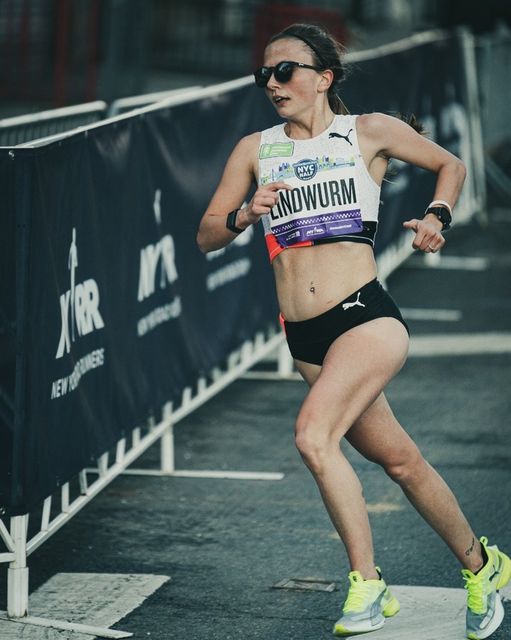
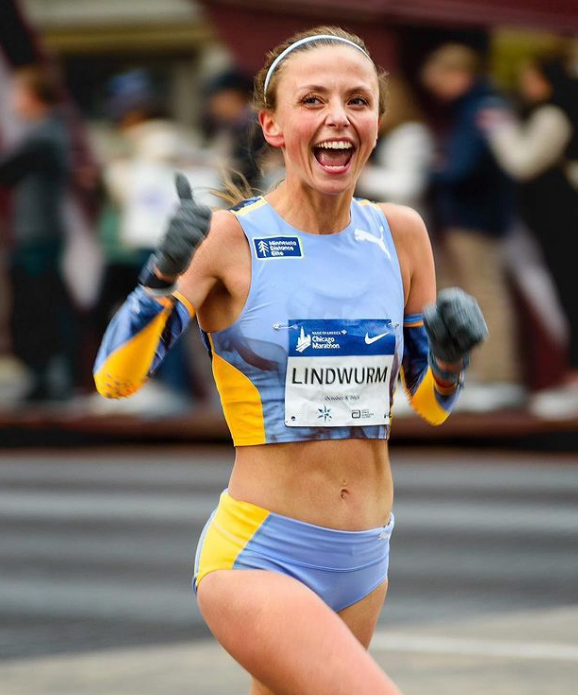






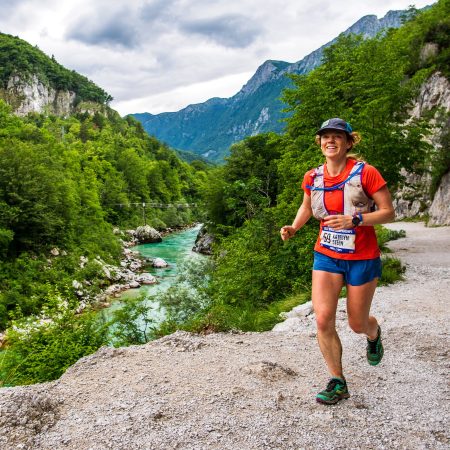






 Positivity and Ultra-Running


 Coach Laurie has had her fair share of racing and implementing her 5k race strategy. She didn’t start running until the age of 40, when she wanted to make sure her daughter would be safe preparing for her first Cross Country season. She was immediately hooked once she started racing herself, and as an elite Masters runner at the age of 47, she just missed qualifying for the Olympic Trails for the Marathon in 2008 by a little over two minutes with a time of 2:49:29. To learn more about Laurie or work with her as a coach, check out